
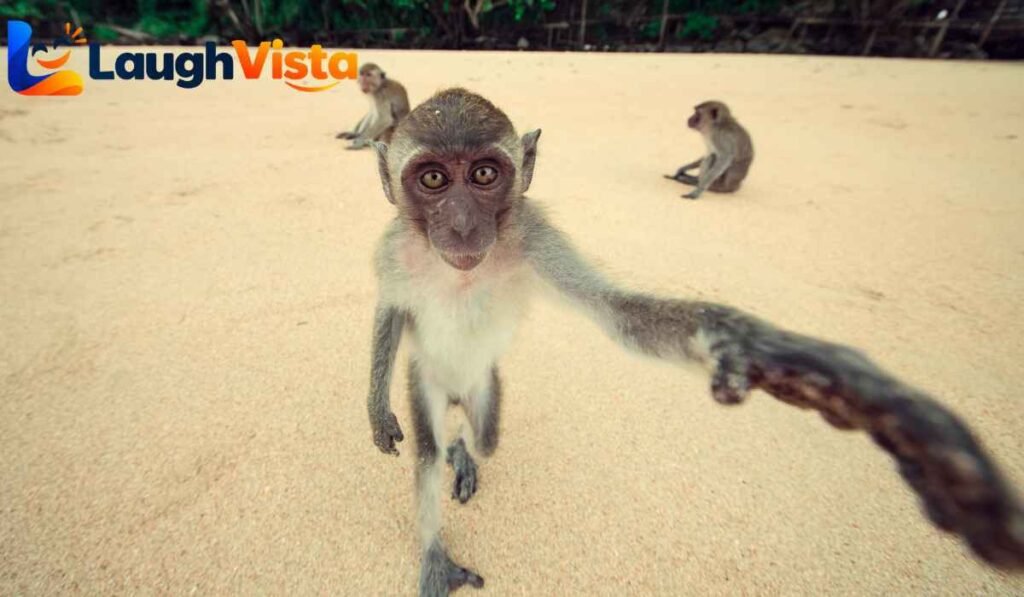
Exploring the world of a fun monkey involves understanding their incredible intelligence, playful social structures, and unique physical adaptations. From acrobatic swinging and tool usage to complex vocal chatter, these clever primates display astonishing behaviors that make them some of the most fascinating creatures on Earth.
Have you ever caught yourself watching a monkey at the zoo or in a viral video and completely lost track of time? There is something undeniably magnetic about their endless energy, expressive faces, and silly antics.
When people search for a fun monkey, they are usually looking for entertaining facts, fascinating behaviors, and a deeper peek into primate life. These incredible animals share so much of our curiosity and emotional depth.
Let us explore the extraordinary world of these playful primates, uncovering what makes them so clever, energetic, and endlessly entertaining.
The Playful Mind of the World’s Cleverest Primates
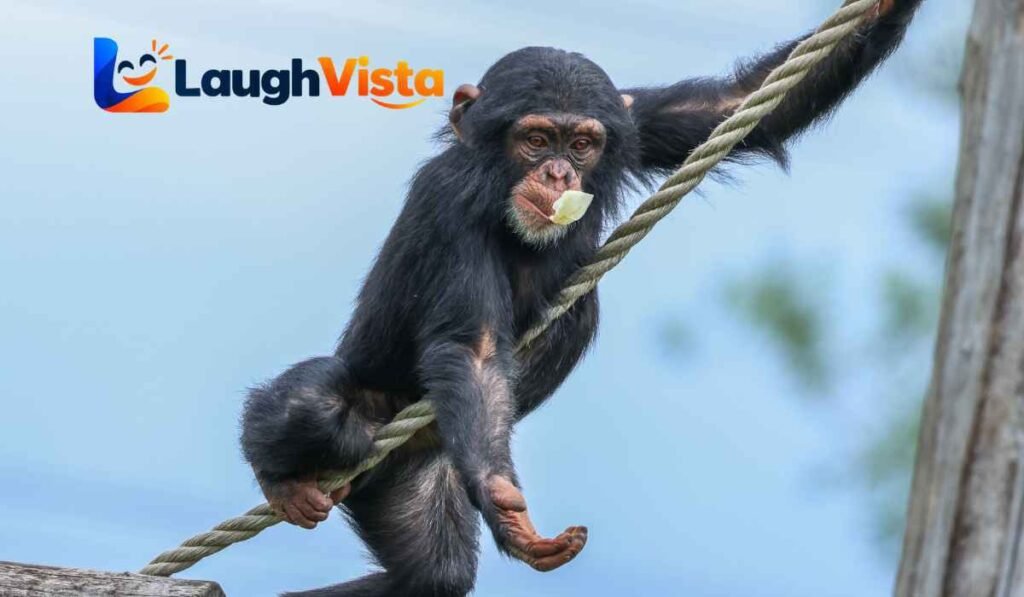
Monkeys are legendary for their playful nature, but that mischief is actually a sign of incredible intelligence. What looks like simple goofing off is often a complex way of learning and building social bonds.
Scientists have spent decades studying primate play, finding that energetic games help young monkeys develop vital survival skills. From games of tag in the canopy to playful wrestling on the forest floor, every activity serves a purpose.
Understanding how a fun monkey thinks changes how we view their acrobatic stunts and clever tricks.
How Play Shapes Survival Skills
When young monkeys chase each other through branches, they are not just having a great time. They are mastering balance, distance judgment, and spatial awareness in high-stakes environments.
A missed leap in the wild can mean a dangerous fall, so playful practice during youth builds life-saving motor skills. Rough-and-tumble games also teach young primates how to measure their physical strength.
Through play, monkeys learn how to control their bites and balance their power. It is nature’s way of preparing them for adult group dynamics.
Social Bonding Through Games
Play is the ultimate social lubricant in the monkey world, helping individuals build lifelong friendships. Monkeys that play together regularly are far more likely to share food and defend one another later in life.
Adult monkeys even use play to de-escalate tension within the troop after a disagreement. A quick nudging game or a playful facial expression can instantly clear the air.
This emotional intelligence keeps primate communities peaceful and united. It demonstrates that playfulness is essential for community harmony.
Fascinating Physical Adaptations That Enable Fun
It takes a remarkably specialized body to pull off the acrobatic tricks that monkeys perform effortlessly every day. Their physical design allows them to treat dense tropical forests like personal jungle gyms.
From flexible joints to specialized hands, every anatomical feature supports their dynamic lifestyle. These physical traits make their swift movements look like pure magic.
Let us examine the amazing bodily features that allow primates to leap, swing, and balance with such flair.
Tail Power: The Extra Limb
Not all monkeys have prehensile tails, but those that do use them like a fifth hand. New World species, such as spider monkeys and howler monkeys, possess tails strong enough to support their entire body weight.
The underside of a prehensile tail even features bare skin with individual friction ridges, similar to human fingerprints. This unique texture provides maximum grip when dangling from slippery branches.
Having a built-in safety line frees up their hands to gather fruit, groom friends, or swing smoothly. It is one of nature’s coolest physical tools.
Opposable Thumbs and Precision Grips
Monkeys possess extraordinary manual dexterity thanks to their opposable thumbs and flexible toes. This physical design allows them to manipulate tiny objects with incredible accuracy.
They can peel fruit, pick troublesome thorns out of fur, and hold onto thin branches while moving at full speed. Old World monkeys, like macaques, display grip precision remarkably similar to human hands.
Their feet are equally impressive, functioning almost like a second pair of hands for climbing. This double-handed grip makes them unmatched acrobats in the treetops.
Unbelievable Monkey Behaviors and Tricks
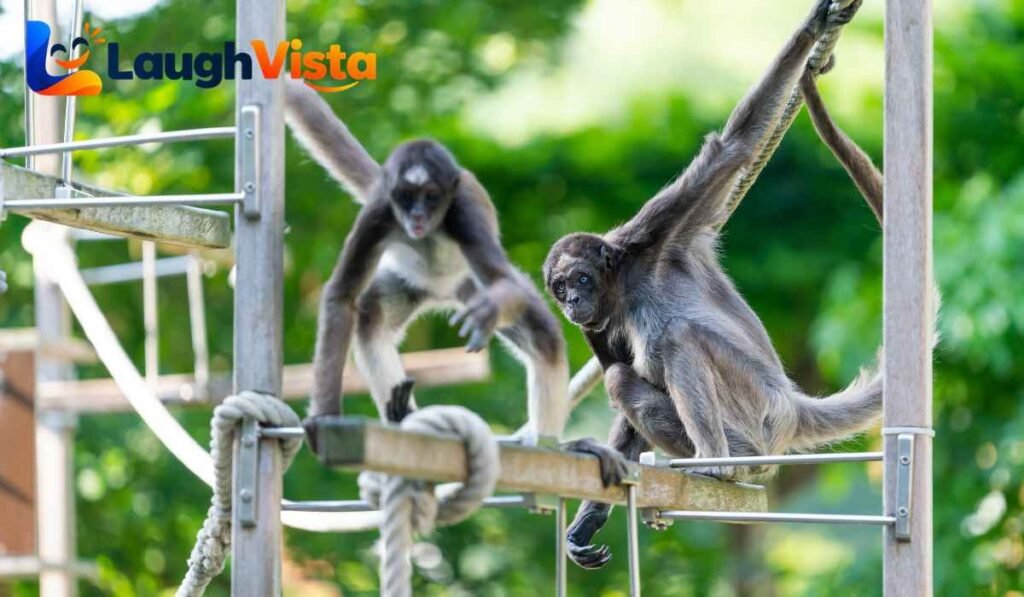
Beyond physical agility, monkeys possess cognitive skills that surprise even experienced researchers. They observe, adapt, and invent new behaviors based on their environment.
In different parts of the world, groups of monkeys have developed unique cultural traditions passed down through generations. These learned behaviors demonstrate genuine problem-solving ability.
Here are a few surprising behaviors that highlight just how clever these creatures can be.
Tool Use in the Wild
For a long time, humans believed they were the only animals capable of crafting and using tools. Capuchin monkeys completely shattered that belief by using heavy flat stones as hammers and anvils to crack open tough nuts.
They select specific hard rocks, transport them long distances, and hit nuts with precise force. Young capuchins watch their elders for years to master this difficult skill.
Other species use sticks to extract termites from mounds or dip branches into water to measure depth. It shows an incredible capacity for logical thinking.
Hot Spring Bathers and Food Washers
Famous Japanese macaques, also known as snow monkeys, have invented several brilliant cultural traditions. In icy winters, they soak in natural volcanic hot springs to stay warm and relax.
Decades ago, a clever female macaque named Imo discovered that washing sweet potatoes in ocean water removed dirt and added a tasty salty flavor. Her peers quickly copied the trick, and the tradition continues today.
These behaviors prove that monkeys do not just rely on instinct. They innovate, learn, and pass knowledge down to their friends and children.
Comparing Famous Monkey Groups
Understanding the differences between primate groups helps appreciate their unique traits. Monkeys are broadly split into New World species from the Americas and Old World species from Africa and Asia.
Each group has adapted to its unique habitat in fascinating ways. These adaptations shape how they search for food, play, and interact with their surroundings.
The comparison table above highlights key differences across popular species worldwide.
New World vs. Old World Features
New World monkeys generally live in trees and often feature prehensile tails that assist with climbing. Their nostrils are broad and spaced far apart, opening sideways toward the cheeks.
Old World monkeys are often larger and spend considerable time exploring the ground. They lack prehensile tails, but many feature specialized cheek pouches for storing food on the go.
Their nostrils sit closer together and point downward, much like human noses. These distinct evolutionary paths led to unique lifestyles and fun physical quirks.
Intelligence and Brain Structure
Relative to their body size, monkeys possess remarkably large brains packed with complex neurons. This structural design grants them advanced spatial memory, emotional awareness, and quick learning capabilities.
Squirrel monkeys, for instance, have an impressive brain-to-body mass ratio that supports rapid decision-making in the trees. This mental processing power helps them navigate dense foliage while hunting speedy insects.
Their cognitive capacity allows them to remember complex fruit fruiting schedules across vast territories. They are calculating natural strategists, not just wild wanderers.
Vocalizations and Secret Monkey Communication

If you have ever spent time near a primate habitat, you know they are rarely quiet. Monkeys maintain a complex vocal language filled with grunts, chirps, barks, and squeaks.
These sounds are not random noise; they carry specific meanings that alert troop members to events. Their communication system is surprisingly sophisticated and effective.
Let us explore how a fun monkey talks to its friends across the noisy jungle canopy.
Specialized Alarm Calls
Vervet monkeys use distinct alarm calls for different predators in their native habitats. They use one specific call for eagles, another for leopards, and a completely different sound for snakes.
When troop members hear the eagle call, they instantly look up and dive into dense bushes for cover. If they hear the snake call, they stand on their hind legs and scan the surrounding grass carefully.
This specialized vocabulary saves lives daily in predator-heavy landscapes. It functions as a precise warning system built entirely on sound.
Body Language and Facial Expressions
Vocal sounds are only half the communication equation for social primates. Facial expressions, posture, and tail positions convey subtle emotional states within the group.
A soft lip-smacking gesture serves as a friendly greeting that signals peaceful intentions. Yawning, flashing bright white eyelids, or staring intently can indicate tension or a gentle warning to back off.
Grooming acts as a powerful physical language that reduces stress and reinforces social alliances. Spending hours picking through a friend’s fur communicates affection, trust, and deep loyalty.
Human Connections: Respecting Primates Responsibly
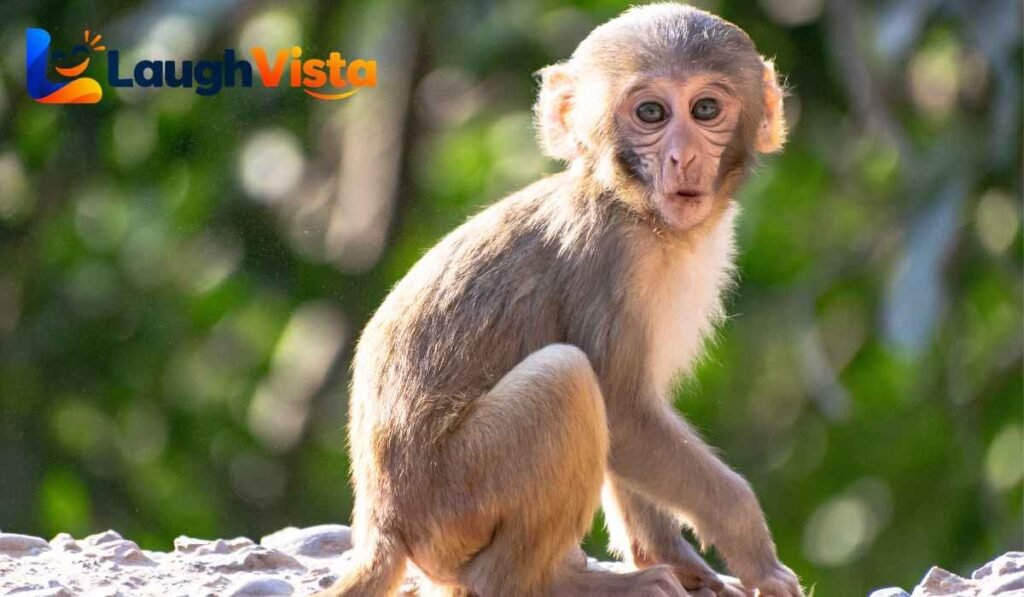
Our natural fascination with primates often makes us want to get as close to them as possible. However, appreciating their intelligence requires understanding their wild nature and supporting conservation efforts.
Monkeys thrive best in their natural habitats surrounded by their social troops. Treating them with respect ensures these amazing creatures remain wild, healthy, and protected for generations.
Here is how we can enjoy primate wonder while making responsible, ethical choices.
Why Monkeys Do Not Make Good Household Pets
While videos of baby monkeys wearing clothes look adorable, keeping primates as domestic pets is harmful to their well-being. Monkeys are wild, highly social animals with complex physical and psychological needs that a home cannot meet.
As they grow into adulthood, pet monkeys often become unpredictable, anxious, and aggressive due to frustration. They require the company of their own species to develop healthy emotional behaviors.
Enjoying monkeys through wild observation, educational documentaries, and accredited sanctuaries is the kindest way to celebrate them. True love for primates means keeping them wild.
Supporting Wild Conservation and Sanctuaries
Habitat loss and illegal trade pose serious threats to monkey populations around the globe. Supporting legitimate wildlife conservation funds helps protect vital rainforests and natural habitats.
When traveling, visit accredited sanctuaries that prioritize animal rescue and welfare over entertainment shows. Responsible sanctuaries give rescued primates space to live naturally in healthy social groups.
Sharing educational information with friends builds broader awareness about protecting wild environments. Small individual choices help secure a safe future for primates everywhere.
MCQs
- Which group of monkeys is known for having prehensile tails capable of grasping branches?
A. Old World Monkeys
B. New World Monkeys
C. Baboons
D. Macaques - Why do young monkeys engage in frequent energetic play?
A. To burn off excess calories only
B. To develop balance, strength, and social skills
C. To intimidate neighboring predator species
D. To clean their fur without grooming - What famous female macaque introduced food washing to her group in Japan?
A. Koko
B. Lucy
C. Imo
D. Jane - Which monkey species is well known for using heavy stones as tools to crack open tough nuts?
A. Capuchin
B. Howler Monkey
C. Proboscis Monkey
D. Golden Snub-nosed Monkey - What unique physical feature sits on the underside of a prehensile tail to improve grip?
A. Sharp claws
B. Bare skin with friction ridges
C. Thick sticky sap
D. Hard bony plates - How do vervet monkeys react when they hear their specific eagle alarm call?
A. They stand up and scan the tall grass
B. They dive into rivers to swim away
C. They look up and run into dense bushes
D. They freeze completely on open ground - What is the primary purpose of social grooming among monkeys?
A. Removing dirt while building group trust and reducing stress
B. Showing physical dominance before a fight
C. Warming up before long leaps through trees
D. Signaling to predators that the troop is alert - Where do Japanese macaques gather in winter to stay warm during freezing weather?
A. Underground burrows
B. Natural volcanic hot springs
C. Hollow oak trees
D. Abandoned human houses
Answer Key
B B C A B C A B
FAQs
What is the smallest monkey species in the world?
The pygmy marmoset is the world’s smallest monkey, weighing just around four ounces. Native to the Amazon basin, these tiny primates can easily fit inside a human hand while leaping effortlessly through treetops.
Do all monkeys eat bananas as their main food source?
No, wild monkeys eat a diverse diet including native fruits, leaves, seeds, insects, and bird eggs. While they enjoy bananas, wild primates rarely encounter wild bananas and rely on varied forest food sources.
What is the main difference between monkeys and apes?
Monkeys generally possess tails, narrower chests, and smaller body sizes than apes. Apes, such as chimpanzees, gorillas, and gibbons, lack tails completely and possess larger brains and broader chest structures.
How fast can monkeys swing through forest trees?
Spider monkeys can move through canopy branches at speeds exceeding twenty miles per hour. Using specialized limbs and prehensile tails, they glide through tree foliage with breathtaking speed and effortless agility.
Why do some monkeys have bright blue or red facial skin?
Vibrant facial skin colors serve as social communication signals for health, age, and dominance within a troop. Species like mandrills display bright colors that become richer when attracting mates or establishing authority.
Conclusion
Discovering the world of a fun monkey shows us just how rich, clever, and energetic animal life can be. From tool-using capuchins to hot-spring soaking macaques, these primates never cease to amaze us with their intelligence.
Their energetic games, complex languages, and deep social bonds remind us of the wonderful complexity of nature. Protecting their wild homes ensures these extraordinary creatures continue to thrive and inspire curiosity.
Next time you spot a clever primate, take a moment to admire the incredible evolution behind every leap and playful gesture. Share your favorite monkey facts with a friend to spread the appreciation today!

Asjad Ali is a passionate, fun, and entertainment enthusiast who enjoys discovering interesting, amusing, and engaging content from around the web. Through laughvista.com, Asjad shares lighthearted ideas, entertaining stories, fun facts, jokes, and enjoyable content designed to bring a little more laughter and positivity into everyday life. His goal is to create content that feels natural, relatable, and easy for everyone to enjoy.
With a genuine interest in fun and entertainment, Asjad Ali focuses on creating friendly content for readers of different ages and backgrounds. laughvista.com is built around the idea that a few moments of laughter can brighten anyone’s day. Whether readers are looking for something funny, interesting, or simply entertaining, Asjad aims to make every visit enjoyable, refreshing, and worth coming back to.