
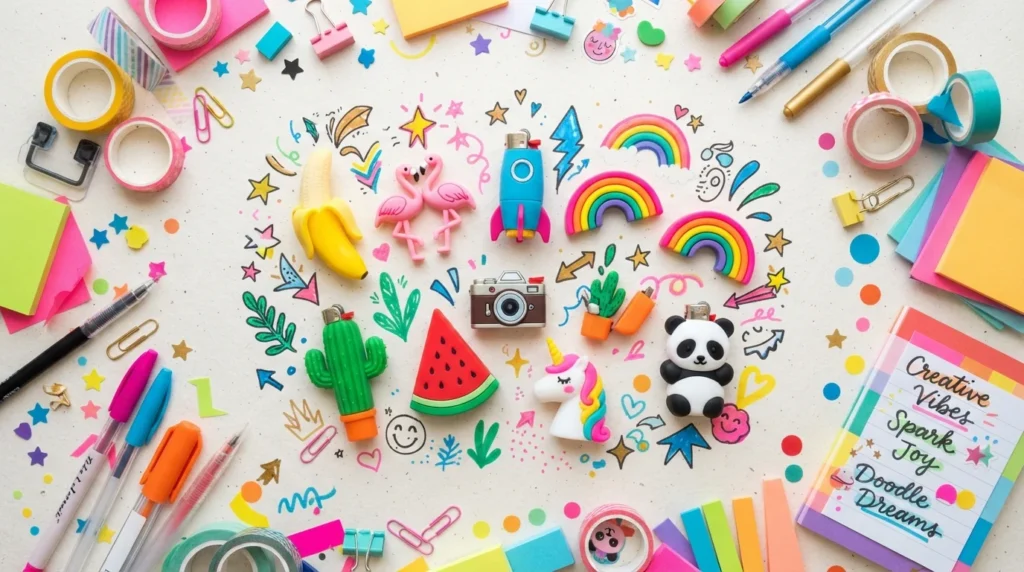
Fun lighters are novelty flame-producing devices designed with unique shapes, whimsical artwork, vibrant colors, or clever interactive features. They transform a simple utility tool into an expressive personal accessory, conversation starter, or cherished collectible while maintaining full practical ignition function for everyday household and outdoor use.
Every time you pull out a standard flame, you miss a chance to show off your personality. Switching to fun lighters turns an everyday chore into a playful moment that makes people smile.
Whether you enjoy colorful novelties, mechanical gadgets, or artistic flames, there is a design made just for you. Finding the right spark brings a little joy to every routine habit.
Let us explore how these creative tools work, how to collect them safely, and how to keep your favorite ignition accessories running strong.
What Makes Fun Lighters So Popular?
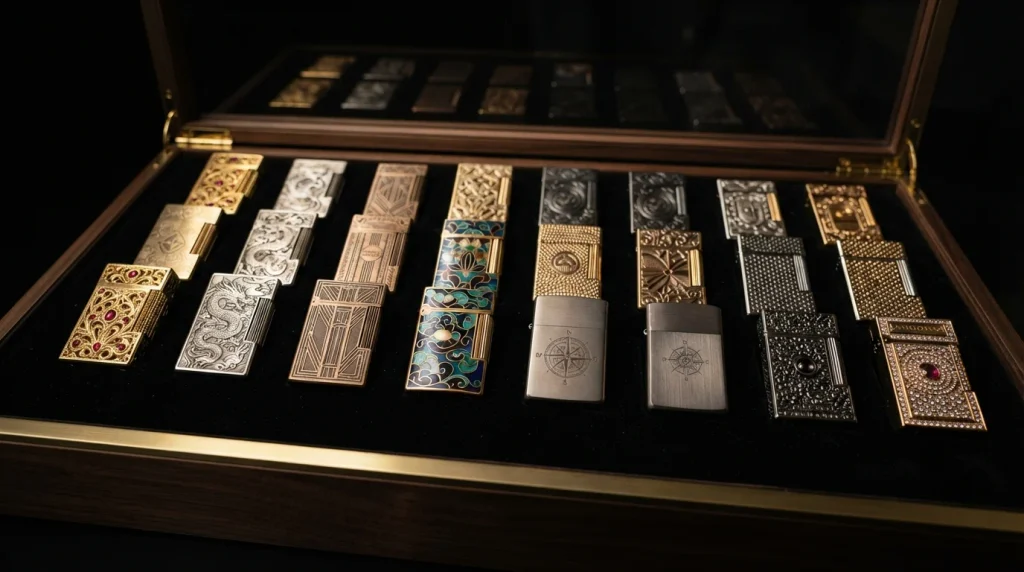
People love accessories that tell a personal story or make someone laugh during a quick break. Standard lighters perform basic jobs, but novelty options transform a simple utility item into an entertaining icebreaker.
From retro flip-tops to miniature figures, these pocket tools bring art and humor into everyday life. They make great gifts because they are both practical and full of charm.
The Evolution of Novelty Ignition Tools
Lighters started purely as functional gear for workers, campers, and smokers who needed reliable fire in rough weather. Over time, craftspeople realized that metal cases offered the perfect blank canvas for artwork and custom engravings.
By the middle of the twentieth century, manufacturers were crafting lighters shaped like small cars, musical instruments, and miniature household appliances. Modern production methods make it easy for designers to create almost any shape imaginable using durable materials.
Today, you can find ignition devices that look like vintage arcade games, rubber ducks, or tiny food items. The combination of function and humor continues to charm people across the globe.
Why Collectors Love Creative Flame Accessories
Collecting pocket lighters is an accessible hobby because many items are affordable and easy to store. Enthusiasts love searching garage sales, thrift stores, and online shops for unique regional designs.
Every piece offers a snapshot of pop culture, art history, and changing technology from different eras. Displaying a collection on a shelf creates an instant topic of conversation when guests visit.
- Affordable Entry Point: You can start a collection with just a few dollars.
- Compact Storage: Hundreds of unique items fit inside a single display case.
- Historical Charm: Older models capture classic graphic design styles.
- Active Community: Collectors share tips, swap items, and trade stories online.
Popular Categories of Fun Lighters
The world of creative flame devices is massive, offering styles for every interest and hobby. Categorizing these tools helps you figure out which style fits your daily routine best.
Character and Pop Culture Models
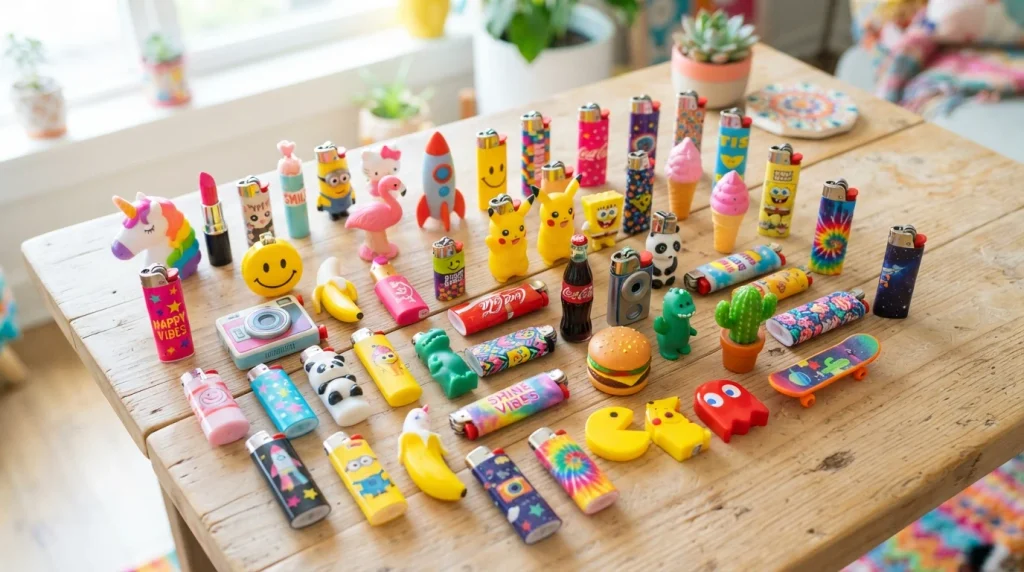
Character-themed designs feature popular cartoons, movie icons, comic heroes, and video game imagery. Carrying a lighter shaped like your favorite gaming controller shows off your passions instantly.
These items rely on bright colors and accurate sculpting to bring fictional figures to life. They make wonderful stocking stuffers or birthday gifts for pop culture fans.
Food and Beverage Novelty Styles
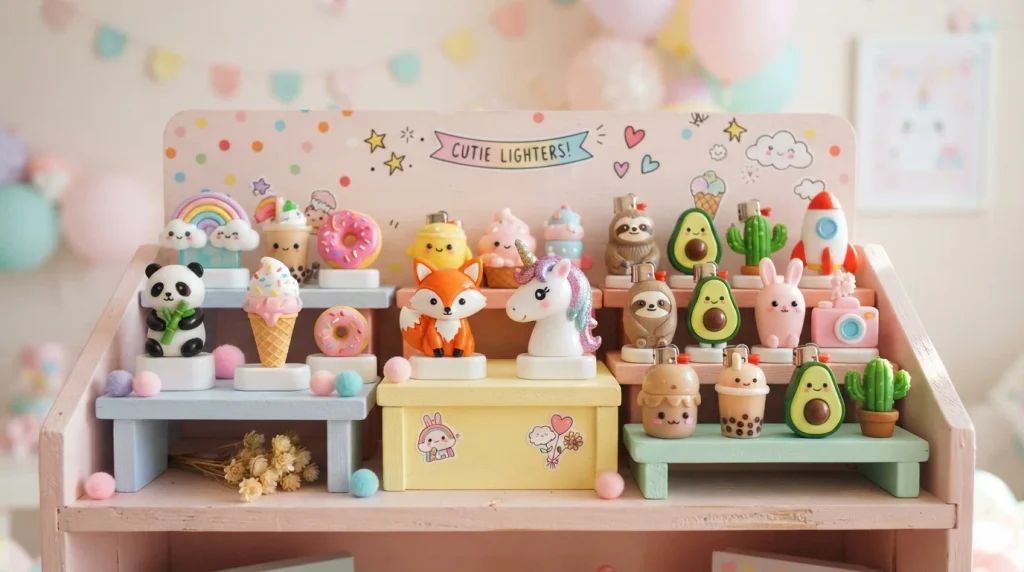
Some of the most popular fun lighters resemble miniature everyday snacks, sodas, or hot sauce bottles. A lighter shaped like an avocado or a tiny coffee cup adds a touch of whimsy to your desk.
Many of these designs use tough soft-touch silicone or molded resin to look like realistic food items. They are lighthearted, easy to hold, and hard to lose in a cluttered drawer.
Interactive and Mechanical Designs
Interactive lighters offer extra mechanical features like spinning fidget gears, built-in bottle openers, or glowing LED lights. Flipping a switch or spinning a wheel makes using the device engaging.
These models appeal to people who like multi-tools and tactile gadgets. They balance practical utility with entertaining physical features that help relieve daily stress.
Torch vs. Soft Flame Options
Choosing between flame types depends on where you plan to use your accessory most often. Soft flame models use classic liquid fuel or butane to create a gentle flame suitable for indoor candles.
Torch lighters force pressurized gas through a nozzle to create a hot, wind-resistant jet flame. Torch styles work best for outdoor camping trips or lighting fires on windy days.
- Soft Flame: Best for indoors, uses less fuel, soft yellow light, easy to adjust.
- Torch Flame: Windproof, hot blue jet stream, quick ignition outdoors, burns fuel faster.
- Plasma Arc: Rechargeable via USB, no fuel needed, windproof electrical arc, ultra-quiet.
How to Choose the Perfect Novelty Flame Accessory
Finding the best tool requires thinking about your lifestyle, safety needs, and fuel preferences. Asking yourself a few basic questions helps narrow down the massive list of options.
Matching Design to Your Daily Routine
If you keep your accessory in a deep pocket or purse, look for durable metal construction. Soft plastic or silicone covers work better for desk accessories or home decorative pieces.
Outdoor enthusiasts should focus on windproof torch options or plasma arc models. Indoor candle lovers often prefer long-reach neck designs that protect fingers from hot wax.
Fuel Types: Butane, Fluid, or Electric
Understanding how your accessory creates heat helps you keep it working smoothly over time. Each fuel method offers unique benefits and requires different care.
- Refillable Butane: Clean-burning gas that produces minimal odor and steady flames.
- Liquid Lighter Fluid: Classic petroleum distillate that works reliably in cold weather.
- USB Electric Arc: Battery-powered plasma arcs that eliminate chemical smells completely.
Safety Features to Look For
Safety should always come first when buying flame-producing devices for your home. Child-resistant switches require intentional pressure to ignite, preventing accidental activation inside pockets or bags.
Sturdy flame guards shield surrounding materials from excessive heat during longer use. Flame adjustment wheels help you control height so you never get surprised by a sudden high flame.
Maintenance and Care for Long-Lasting Use
Proper maintenance keeps fun lighters working reliably for years without flickering or stalling. Simple cleaning habits clear away dirt and soot before they clog delicate burner nozzles.
How to Safely Refill Butane Lighters
Refilling butane requires a few quiet minutes and proper technique to avoid trapped air. Always bleed out old gas before adding fresh fuel to keep internal pressure balanced.
- Turn the flame adjustment wheel all the way down to the minus sign.
- Press a small screwdriver tip into the bottom fill valve to purge trapped air.
- Hold the butane can upside down and press the nozzle firmly into the valve for 3-5 seconds.
- Wait two minutes for the gas to reach room temperature before striking a flame.
Cleaning Wicks, Flint, and Nozzles
Soot builds up on burner nozzles over time, blocking gas flow and causing weak flames. Use a soft cotton swab dipped in rubbing alcohol to gently clean ignition ports.
If your lighter uses a flint wheel, replace worn flints promptly to avoid dulling the metal spark wheel. Trimming charred cotton wicks on liquid models restores bright, clean-burning performance immediately.
Safe Storage and Handling Practices
Treating flame tools with respect keeps your home safe and prevents structural damage to delicate collectibles. Heat and moisture are the biggest threats to electronic and fuel-powered ignition gear.
Temperature and Sun Exposure Controls
Never leave lighters on a car dashboard or near windows exposed to direct sunlight. Pressurized butane canisters expand when exposed to high heat, creating dangerous leaks or cracks.
Store your collection in a cool, dry room away from space heaters and open kitchen flames. Keep electric models stored at partial battery charge if you do not plan to use them right away.
Keeping Accessories Away From Children
Novelty designs that look like toys or snacks require extra care around young family members. Always store your collection inside locked cabinets or high shelves out of reach.
Selecting models with strong safety locks gives you peace of mind when hosting guests. Educating family members about fire safety remains the best way to prevent household accidents.
Creative Ways to Display Your Collection
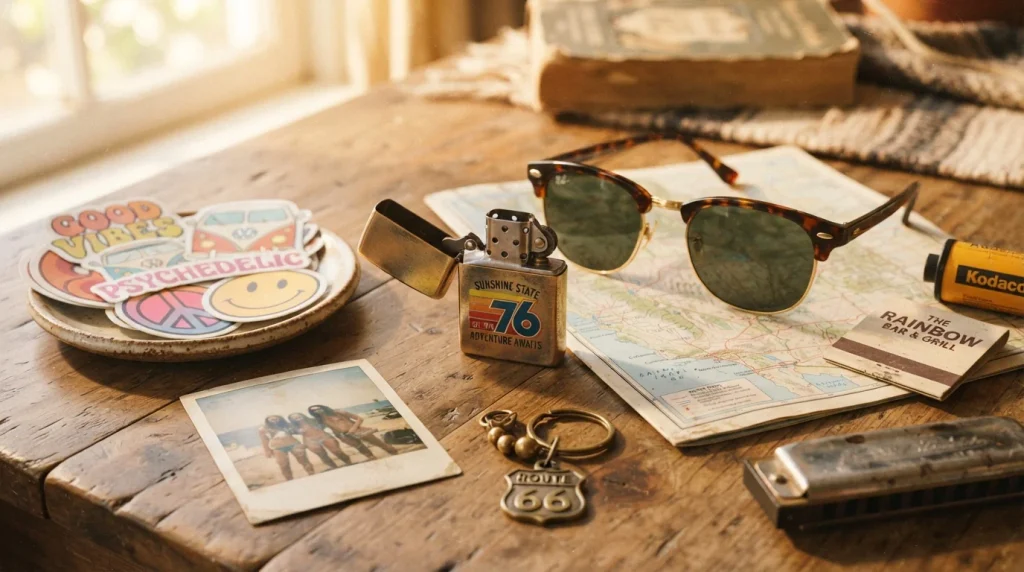
Showing off your favorite accessories adds color and personality to your living room or home office. Custom arrangements draw attention to unique shapes and vintage artistic details.
Wall-Mounted Shadow Boxes
Shadow boxes with clear glass fronts protect your collection from dust while showing off every detail. Soft felt lining prevents metal surfaces from getting scratched when items sit side by side.
Group your items by theme, color, or historical era to create a balanced, artistic look. Adding small LED strip lights inside the display highlights metallic paint and detailed engravings.
Acrylic Tiered Stands
Clear acrylic risers work wonderfully on bookshelves, desks, or glass display cabinets. Tiered steps prevent back-row lighters from getting hidden behind larger front items.
This setup makes it easy to pick up individual pieces to show friends or refill fuel. The clear plastic material reflects ambient light without distracting from the artwork on the lighters.
Practice Exercise
Test Your Knowledge About Ignition Accessories and Maintenance
- What makes a lighter design look fun?
A) Creative patterns
B) Plain packaging
C) Blank surfaces
D) No decoration - Which theme could be used for a novelty lighter design?
A) Cartoon characters
B) Office paperwork
C) Road signs
D) School schedules - Which feature can make a decorative lighter visually interesting?
A) Colorful artwork
B) Space only
C) No design
D) Plain labels - What is a common style for novelty accessories?
A) Retro
B) Invisible
C) Completely blank
D) Unfinished - Which pattern could appear on a fun accessory design?
A) Stars and shapes
B) Tax forms
C) Legal documents
D) Maps only - What can inspire a creative accessory design?
A) Pop art
B) Filing systems
C) Instruction manuals
D) Blank paper - Which word best describes a playful design?
A) Colorful
B) Dull
C) Empty
D) Plain - What type of artwork can give an accessory a unique appearance?
A) Illustrations
B) Blank surfaces
C) Random scratches
D) No artwork - Which theme works well for a retro-inspired design?
A) Vintage graphics
B) Modern spreadsheets
C) Plain text only
D) Empty backgrounds - What is the main purpose of decorative novelty designs?
A) Visual appeal
B) Removing all artwork
C) Making objects invisible
D) Creating plain surfaces
Answer Key:
- A | 2. A | 3. A | 4. A | 5. A | 6. A | 7. A | 8. A | 9. A | 10. A
FAQs
Are novelty lighters safe for everyday home use?
Yes, novelty lighters are safe when reputable brands manufacture them, and users handle them responsibly. Always follow basic fire safety rules, check for proper safety latches, and keep fuel-powered items away from extreme heat sources.
How long does butane fuel last inside a small novelty lighter?
Fuel duration depends on flame height and how often you use it. Small novelty tanks typically offer 50 to 100 ignitions per fill, while larger utility models last significantly longer between refills.
Can I take my creative lighter on an airplane flight?
Aviation safety regulations restrict most torch lighters and liquid fuel models in carry-on and checked luggage. Standard disposable lighters without liquid fuel are usually allowed in carry-on bags, but check local airline policies first.
Why does my plasma arc lighter make a faint high-pitched sound?
Plasma arc models create fireless heat by pulsing high-voltage electrical currents between tiny ceramic nodes. This high-frequency electrical arc naturally produces a subtle, high-pitched buzzing sound during activation.
How do I know when it is time to replace the flint in my wheel lighter?
Replace the flint when the ignition wheel feels smooth to turn or stops producing bright sparks. A worn flint makes striking difficult and can scratch the metal wheel if left inside the shaft too long.
What is the best way to clean sticky silicone lighter covers?
Wipe down silicone covers using warm water mixed with a drop of mild dish soap. Avoid harsh chemical solvents like acetone, which can melt soft silicone coatings and ruin printed artwork.
Conclusion
Adding fun lighters to your daily routine brings a splash of creativity, humor, and personal style to a standard utility task. Whether you prefer glowing mechanical gadgets, pop culture shapes, or sleek windproof torches, there is a design out there for every taste.
Proper care, safe fuel habits, and smart storage keep your favorite accessories working smoothly for years to come. Taking a few extra moments to purge air pockets and clean burner ports makes a huge difference in performance.
Explore new styles, share your favorite designs with friends, and enjoy the bright personality these practical tools bring to your everyday carry collection!

Asjad Ali is a passionate, fun, and entertainment enthusiast who enjoys discovering interesting, amusing, and engaging content from around the web. Through laughvista.com, Asjad shares lighthearted ideas, entertaining stories, fun facts, jokes, and enjoyable content designed to bring a little more laughter and positivity into everyday life. His goal is to create content that feels natural, relatable, and easy for everyone to enjoy.
With a genuine interest in fun and entertainment, Asjad Ali focuses on creating friendly content for readers of different ages and backgrounds. laughvista.com is built around the idea that a few moments of laughter can brighten anyone’s day. Whether readers are looking for something funny, interesting, or simply entertaining, Asjad aims to make every visit enjoyable, refreshing, and worth coming back to.