
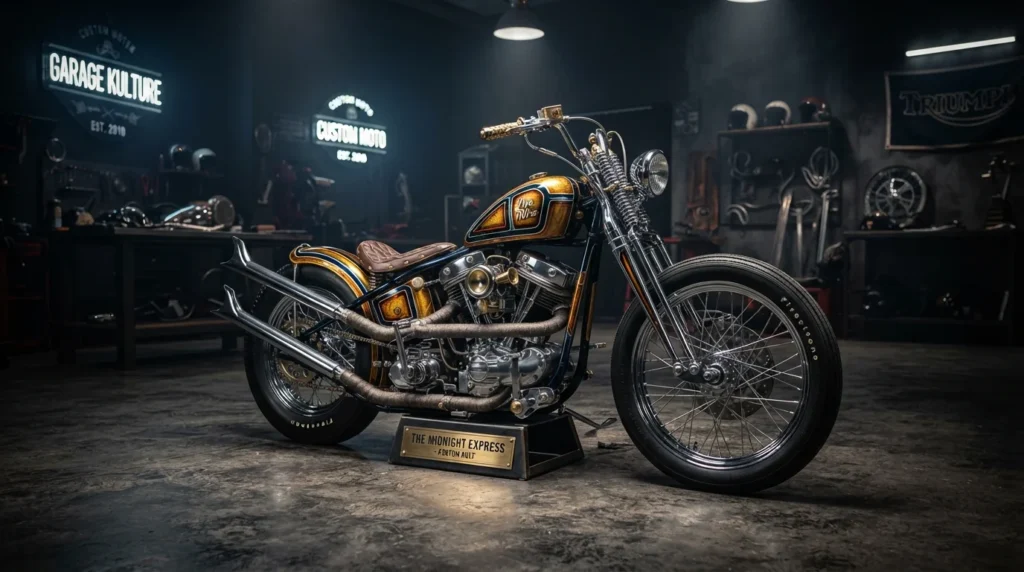
A fun moto is a lightweight, agile motorcycle designed strictly for enjoyment, playfulness, and low-stress riding rather than top-speed racing or heavy touring. Popularized by bikes like mini-motos and light dual-sports, a fun moto emphasizes approachable handling, low operational costs, and maximum rider smiles per hour.
Have you ever ridden a motorcycle that made you laugh out loud inside your helmet? That effortless, goofy feeling is the exact reason the fun moto movement is taking over the riding world today.
Instead of chasing high horsepower or terrifying speed, a fun moto focuses entirely on pure, accessible enjoyment. Whether you are navigating tight city streets or cruising backwoods trails, these nimble machines bring total excitement back to two wheels.
What Exactly Is a Fun Moto?
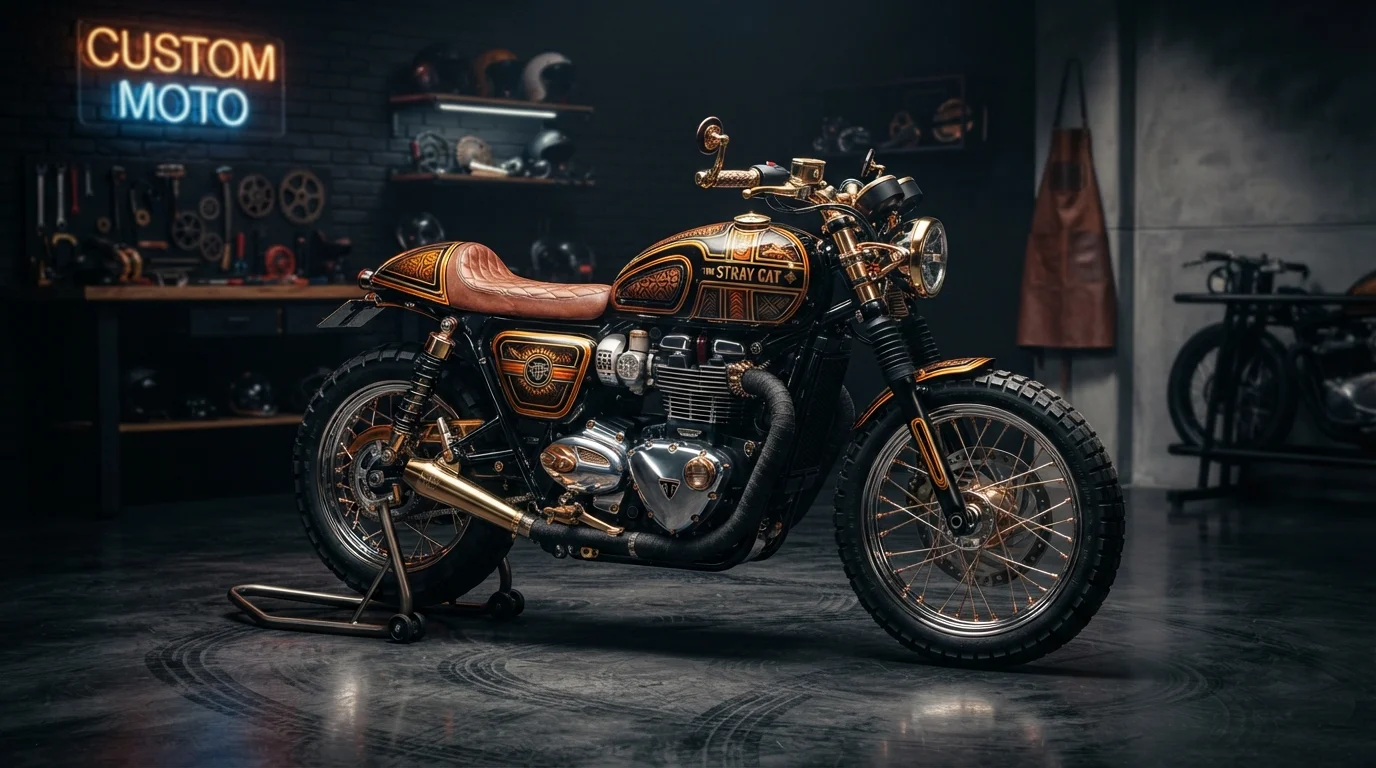
A fun moto is a lightweight, low-horsepower motorcycle built specifically to prioritize rider enjoyment and ease of use over sheer speed. Unlike massive adventure bikes or hyper-sport machines, these motorcycles are small, forgiving, and incredibly easy to handle.
The core philosophy behind any fun moto is simple: riding fast on a slow bike is infinitely more entertaining than riding slow on a fast bike. You can pin the throttle, work through the gears, and lean into corners without worrying about breaking highway speed limits instantly.
For decades, the motorcycle industry pushed riders toward bigger engines, higher price tags, and heavier frames. The modern fun moto counterculture rejects that pressure, bringing the spotlight back to cheap, simple, and thrilling two-wheeled adventures.
Core Characteristics of a Fun Moto
- Lightweight Construction: Most fun motos weigh under 300 pounds, making them incredibly easy to maneuver in tight spots and simple to pick up if dropped.
- Accessible Seat Heights: Lower ground clearance and modest seat heights allow riders of almost any size to put both feet flat on the ground.
- Forgiving Power Delivery: Smooth engine tuning ensures that accidental throttle twists will not pull the bike out from under you.
- High Fuel Efficiency: Small engine displacement means you can ride all weekend on just a single gallon of gas.
Why Rider Culture Is Embracing Smaller Bikes
Motorcyclists are realizing that bigger does not always mean better. Heavy touring bikes and high-strung sportbikes can feel stressful to navigate through heavy traffic or tight neighborhood corridors.
A fun moto removes that intimidation factor entirely. You can park it anywhere, garage it easily, and maintenance costs are minimal compared to full-sized bikes.
Furthermore, small bikes encourage playfulness. Riders feel comfortable practicing low-speed maneuvers, tight U-turns, and gentle off-road exploring without fear of damaging an expensive machine.
The Surprising Origins of the Fun Moto Trend
The concept of small, playful motorcycles is far from new, though its modern incarnation has evolved significantly. The roots trace back to the iconic minibikes and trail scooters of the mid-twentieth century.
During the 1960s, lightweight street-legal scooters and trail bikes introduced millions of people to two wheels for the first time. They were cheap, indestructible, and offered instant independence to young riders across suburban neighborhoods.
Over time, manufacturers noticed that adult riders were buying these smaller machines just as often as beginners. This realization birthed a whole new class of modern mini-street motorcycles.
From Utility to Pure Entertainment
Originally, small motorcycles were built as basic, utilitarian transport for crowded cities or rural farms. They were meant to haul supplies down narrow alleyways or get workers across wide pastures efficiently.
However, riders quickly discovered that these nimble machines were remarkably fun to jump over dirt mounds and slide around gravel corners. What started as basic transportation transformed into weekend recreational racing.
Today, manufacturers build fun motos specifically for entertainment. Modern suspension, fuel injection, and disc brakes mean these micro-machines perform better than ever before.
Key Milestones in Small Bike History
- The 1960s Mini Craze: Small-wheeled trail bikes popularized casual recreational riding across public parks and backyards.
- The Pit Bike Era: In the late 1990s and early 2000s, adults began heavily modifying children’s dirt bikes to race each other around improvised tracks.
- The Modern Street Mini Movement: Japanese manufacturers introduced street-legal 125cc mini-street bikes, creating an overnight global sensation.
- The Electric Revolution: Modern lightweight electric dirt bikes and mini-motos have introduced dead-silent, torque-rich fun to urban suburbs.
Popular Types of Fun Motos Available Today
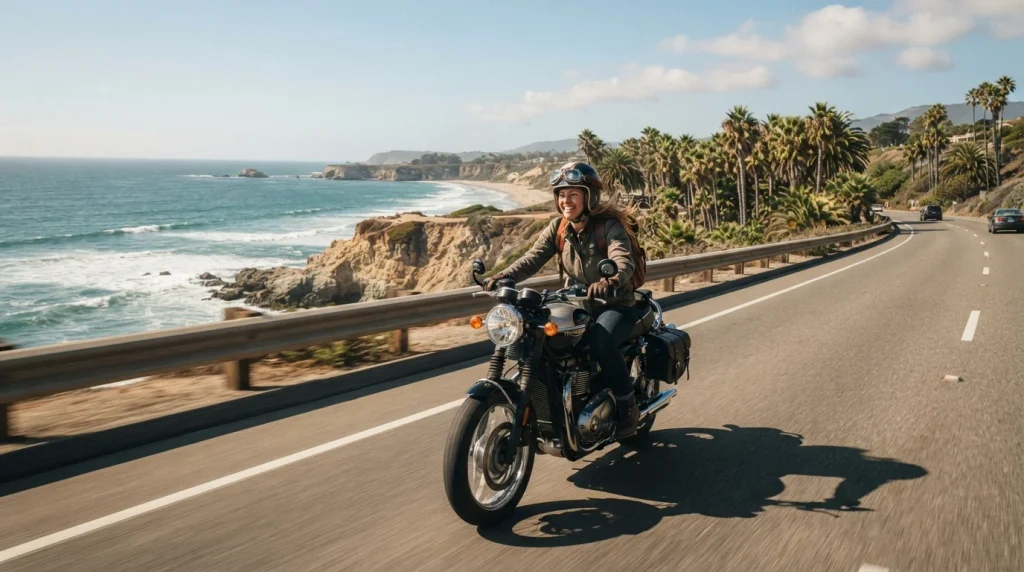
Not all fun motos look or act the same. The category spans several distinct styles, each designed for a unique type of riding surface and rider personality.
Whether you prefer zipping through downtown traffic, kicking up dirt on forest service roads, or silently cruising suburban parks, there is a fun moto sub-genre built for you.
Understanding these categories makes it much easier to select the perfect ride for your specific environment and goals.
Mini-Street Bikes
Mini-street bikes are tiny, street-legal motorcycles fitted with 12-inch wheels and compact air-cooled engines (typically around 125cc). They feature full street equipment including headlights, turn signals, mirrors, and digital dashboards. They excel in urban streets and college campuses.
These bikes excel in city environments, college campuses, and beach towns. Their short wheelbase lets you slice through tight traffic and fit into compact parking spaces effortlessly.
Despite their small stature, mini-street bikes are fully capable of reaching normal city speed limits. They turn mundane grocery runs into genuine highlights of your day.
Light Dual-Sports and Trail Bikes
If your idea of fun involves dirt, rocks, and mud, a lightweight dual-sport is the ideal fun moto. These bikes combine slim dirt bike ergonomics with street legality, using engines usually ranging between 150cc and 250cc.
Unlike heavy adventure motorcycles, a light dual-sport weighs very little. If you drop it on a steep trail or dirt road, picking it back up requires minimal effort.
They feature long-travel suspension that absorbs bumps, potholes, and logs easily. They are the ultimate tools for exploring backwoods fire roads and rural dirt paths.
Supermoto Minis
Supermotos take the tall suspension of a dirt bike and combine it with small, sticky street tires, often running 110cc to 150cc setups. The result is arguably the most agile asphalt cornering machine ever created.
Mini supermotos are frequently used for organized racing on outdoor go-kart tracks and smooth asphalt. Riders lean them over at extreme angles at relatively safe, lower speeds.
They offer unmatched responsiveness to steering inputs. If you want to learn advanced riding skills like backing into corners, a mini supermoto is the ultimate training tool.
Lightweight Electric Motos
The fastest-growing segment in the fun moto universe is the lightweight electric motorcycle. These machines use mid-drive electric motors to blur the line between heavy mountain bikes and light dirt bikes.
Because they feature instant torque and produce zero noise, you can ride them in suburban parks, casual trails, and neighborhoods where traditional gas engines would cause a disturbance. They require no clutch, no shifting, and virtually zero engine maintenance.
Simply twist the throttle and go. Their whisper-quiet operation and featherweight frames make them approachable for complete beginners who might feel intimidated by gas engines.
Key Features That Define a Great Fun Moto
When shopping for or building a fun moto, specific hardware features matter much more than top-end speed or engine size. The goal is maximum agility and low-stress operation.
A truly great fun moto should feel like an extension of your body. You should never feel like you are fighting the weight or power of the machine.
Here are the primary features that separate standard heavy motorcycles from lightweight fun motos:
- Curb Weight: Standard motorcycles weigh between 400 and 600 pounds, whereas a fun moto keeps weight between 200 and 300 pounds. This allows for effortless low-speed control and easy recovery if you ever drop the bike.
- Wheelbase: Standard bikes use a longer wheelbase (58 to 65 inches), while fun motos use a compact wheelbase (47 to 52 inches). This ultra-short distance gives you razor-sharp steering and ultra-fast direction changes.
- Maintenance Requirements: Complex liquid-cooled systems on big bikes require frequent shop maintenance. Fun motos feature simple, air-cooled engines or basic electric setups, reducing costs and allowing easy home servicing.
- Fuel Economy: While big bikes get 35 to 50 MPG, a small gas fun moto easily gets 80 to 130 MPG, giving you remarkably cheap weekend entertainment.
Low Weight and High Agility
Weight is the ultimate enemy of fun for casual riding. When a motorcycle is heavy, every maneuver requires physical effort, and stopping distances increase dramatically.
A fun moto keeps weight to an absolute minimum. This lightness allows you to flick the bike into corners instantly using subtle handlebar pressure.
It also means that if the rear wheel slips slightly on loose gravel, correcting your balance is intuitive and strain-free.
Low Operating and Ownership Costs
Nothing ruins fun faster than expensive maintenance bills and high insurance premiums. A fundamental pillar of the fun moto lifestyle is economic accessibility.
Most gas-powered fun motos use basic, single-cylinder air-cooled engines. These engines have fewer moving parts, require very little oil, and run forever on basic care.
Tires, brake pads, and drive chains for small bikes cost a fraction of what you would pay for full-sized sportbikes or touring machines.
Upright and Relaxed Ergonomics
A true fun moto avoids aggressive, hunchbacked riding positions. Instead, it positions the rider upright with high handlebars and neutrally placed footpegs.
This natural seating position gives you a commanding view of traffic and surrounding scenery. It eliminates wrist pain and lower back strain during long rides.
Upright ergonomics also give you superior leverage over the handlebars, giving you greater control when navigating unpredictable road surfaces.
Why a Fun Moto Is Perfect for Beginners
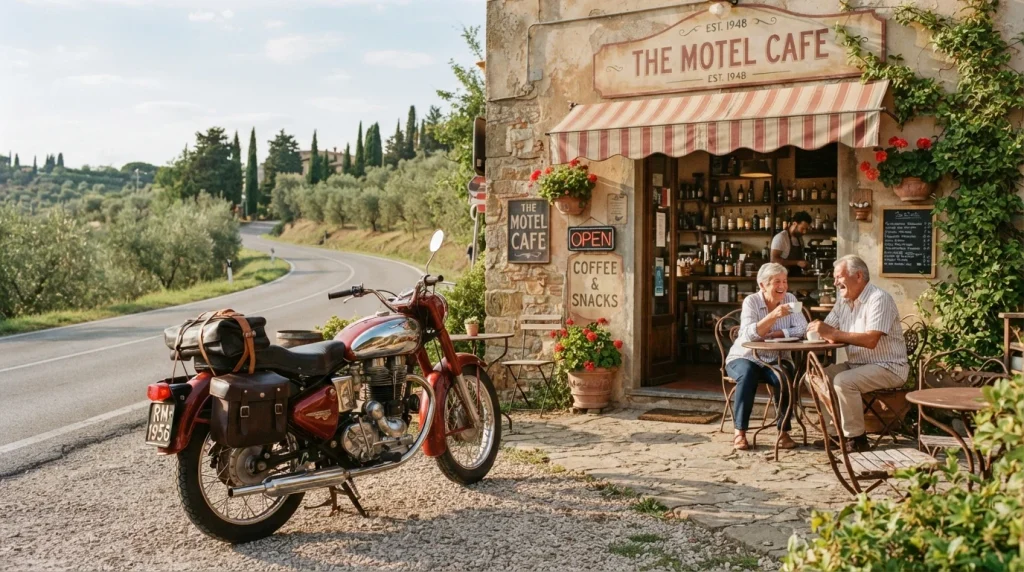
Learning to ride a motorcycle can feel overwhelming. Managing a heavy frame, precise clutch control, and high horsepower all at once stresses out new riders.
A fun moto drastically reduces that learning curve. Because the bike is light and approachable, beginners build real confidence in hours instead of months.
If you make a mistake on a small bike, the low weight and gentle power delivery keep the situation completely manageable.
Easy Clutch and Throttle Control
- Forgiving Throttle Response: Small engines produce smooth, predictable acceleration without sudden, scary power surges.
- Light Clutch Pull: Small-capacity clutches require minimal finger strength, preventing hand fatigue in stop-and-go practice sessions.
- Low Stalling Risk: Short gearing makes launching from a standstill simple, even for people who have never driven a manual transmission car.
- Manageable Braking: Compact brakes provide clear feel and feedback without grabbing too aggressively when pulled in panic.
Boosting Confidence Through Foot-Flat Stability
When learning low-speed balance, nothing creates confidence faster than being able to firmly touch both feet to the ground.
Most fun motos feature low seat heights that accommodate shorter adults and younger riders comfortably. Knowing you can catch yourself instantly eliminates the fear of tipping over at stoplights.
Once a beginner realizes they control the machine—rather than the machine controlling them—their learning speed skyrockets.
Advanced Riders Love Fun Motos Too
There is a common misconception that small bikes are strictly for beginners. In reality, some of the most enthusiastic fun moto owners are veteran riders with decades of experience.
Experienced riders who own expensive, high-powered sportbikes often find themselves reaching for their small fun moto key far more often.
Why? Because you can use 100% of a small bike’s potential on public roads without putting your driver’s license or safety at serious risk.
Pushing Limits at Safe Speeds
Riding a 150-horsepower sportbike on city streets means you rarely leave first gear or open the throttle for more than two seconds. You are constantly holding the bike back.
On a fun moto, you can wide-open throttle through every single gear, rev-match downshift into corners, and lean deep into turns while remaining completely within legal speed limits.
It delivers the pure athletic feeling of motorcycle racing at speeds that leave plenty of room for error.
Developing Elite Riding Technique
Small bikes do not hide bad habits. Because you cannot rely on massive engine horsepower to rocket down straightaways, you must focus on cornering momentum and smooth body position.
Riding a small bike teaches you precisely how to maintain momentum, trail-brake into corners, and pick efficient lines.
Many professional road racers train regularly on mini-motos because the skills transfer directly to high-level racing.
Essential Safety Gear for Fun Moto Riding
Just because a fun moto is smaller and slower than a full-sized motorcycle does not mean safety gear is optional. Asphalt is just as hard at 35 mph as it is at 70 mph.
Wearing quality safety gear keeps you protected and makes your ride significantly more comfortable by blocking wind, debris, and weather elements.
Modern motorcycle gear offers outstanding ventilation and flexible armor, so you can stay cool while looking stylish on your fun moto.
Full-Face Helmets Are Non-Negotiable
A high-quality, full-face helmet certified by DOT or ECE standards is the single most critical piece of equipment you can wear.
Mini bikes put your face close to surrounding traffic exhaust, road debris, and kicked-up gravel. A full-face helmet protects your jaw, eyes, and teeth from impact and debris.
Modern lightweight helmets offer wide field-of-view visors that give you excellent peripheral vision in busy urban traffic.
Abrasion Protection and Armor
- Riding Jackets: Look for lightweight mesh or textile jackets featuring CE-approved armor at the shoulders, elbows, and back.
- Motorcycle Gloves: Protect your hands with full-finger leather or textile gloves equipped with palm sliders and knuckle protection.
- Riding Pants: Reinforce your legs with aramid-lined riding jeans that look like regular pants but offer incredible abrasion resistance.
- Over-the-Ankle Boots: Sturdy boots with ankle bone cups prevent twists and crushed feet during low-speed drops.
How to Choose Your Ideal Fun Moto
Selecting the right fun moto depends heavily on where you live, what surfaces you plan to ride, and your overall budget.
Start by asking yourself what your primary goal is. Are you commuting through dense city traffic, exploring forest service trails, or just buzzing around your neighborhood on weekends?
Evaluating these factors carefully ensures you pick a machine you will enjoy every single time you open your garage door.
Evaluating Gas vs. Electric Options
Gas-powered fun motos offer classic gear shifting, deep exhaust notes, and infinite range as long as you can find a gas station. They are ideal for longer road trips and remote trail riding.
Electric options eliminate gas maintenance, oil changes, and hot exhaust pipes entirely. They excel in dense suburban environments where quiet operation allows access to hidden paths and casual cruising.
Consider your access to home charging and your comfort with basic mechanical maintenance when deciding between the two.
Sizing the Bike to Your Body and Environment
While fun motos are compact, rider fit still matters. Sit on several different models at local dealerships to check handlebar reach and knee bend angles.
If you plan to ride primarily on paved roads with 45 mph speed limits, choose a bike with at least 125cc displacement to keep up comfortably with traffic.
If your trips are limited to tight city centers or off-road trails, lighter weight and lower gearing should take priority over top speed.
Customizing Your Fun Moto for Maximum Personality
One of the most exciting aspects of the fun moto subculture is personalization. Because these bikes are inexpensive and easy to work on, owners love modifying them.
Customizing a fun moto does not require expensive shop tools or advanced engineering degrees. Simple hand tools in a basic garage are usually all you need.
Personalizing your machine reflects your individual style while improving comfort, luggage capacity, and sound.
Popular Upgrades for Performance and Style
- Aftermarket Exhaust Systems: Lightens the bike’s overall weight while giving the engine a deeper, punchier sound.
- Upgraded Handlebars: Installing wider or taller bars improves riding posture and gives you greater leverage in turns.
- Suspension Upgrades: Installing stiffer rear shocks or fork springs drastically improves high-speed stability for heavier adult riders.
- Luggage Racks and Storage: Adding tail racks or frame bags turns your fun moto into an efficient daily grocery getter.
- Custom Graphics Kits: Vibrant vinyl wrap kits allow you to change your bike’s color and look effortlessly.
Maintaining Your Fun Moto in 4 Easy Steps
Keeping a fun moto running smoothly requires minimal mechanical knowledge. Basic routine maintenance takes only a few minutes each month and prevents costly repairs down the road.
Small engines are rugged and forgiving, but basic lubrication and inspection go a long way in ensuring long-term reliability.
Follow this simple checklist to keep your ride performing in peak condition year-round.
The Basic Maintenance Checklist
- Check Tire Pressure Regularly: Small wheels are sensitive to air pressure changes. Keep tires inflated to manufacturer specifications for optimal handling and fuel economy.
- Clean and Lubricate the Drive Chain: Spray chain lube every 300 miles to keep power delivery smooth and extend sprocket life.
- Monitor Oil Levels: Small engines hold less than a quart of oil. Check the dipstick frequently and change oil according to your owner’s manual.
- Inspect Brakes and Cables: Ensure brake levers pull smoothly and brake pads have plenty of friction material remaining.
Fun Moto Etiquette and Responsible Riding
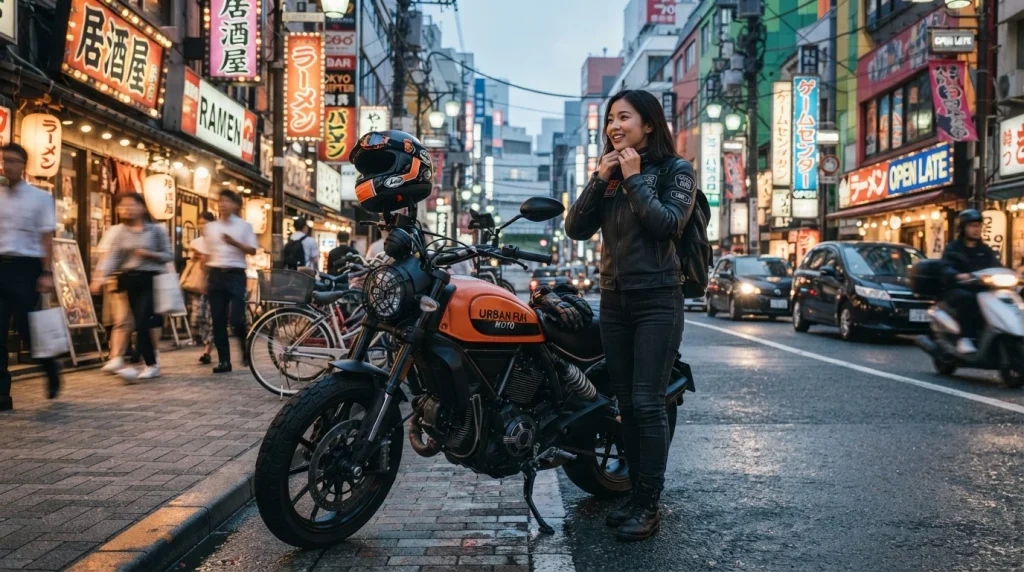
Because fun motos are small and approachable, it can be tempting to treat them like toys. However, on public roads, they are full-fledged motor vehicles subject to normal traffic laws.
Riding responsibly ensures that the fun moto community maintains a positive reputation with local neighborhoods, law enforcement, and non-riders.
Being a good ambassador for the sport ensures trail access and public roads stay open and welcoming for small-bike enthusiasts.
Respecting Pedestrians and Local Laws
- Obey Local Speed Limits: Keep your aggressive riding for closed kart tracks or designated off-road riding areas.
- Keep Noise Levels Reasonable: Exhaust pipes that are excessively loud annoy neighbors and lead to riding bans in suburban areas.
- Stay off Sidewalks: Unless riding a designated class of e-bike where permitted, keep motorized fun motos on public streets or dirt trails.
- Yield to Pedestrians and Cyclists: Show courtesy when sharing multi-use paths or crossing pedestrian corridors.
Practice Exercise
Test your knowledge of fun motos, riding techniques, safety gear, and motorcycle mechanics with these 10 questions.
- What does a fun meter generally measure?
A) Temperature
B) Level of enjoyment or excitement
C) Distance
D) Weight - Which activity could increase a fun meter reading?
A) Playing an enjoyable game
B) Sleeping
C) Reading a grocery receipt
D) Waiting in silence - What is commonly used to display a fun meter level?
A) Gauge or scale
B) Calendar
C) Ruler
D) Compass - Which setting could use a fun meter as a creative activity?
A) Party
B) Laboratory measurement
C) Bank transaction
D) Weather station - A fun meter with a high reading usually represents:
A) Low energy
B) Greater excitement
C) Less activity
D) Quiet surroundings - Which visual element can make a fun meter more engaging?
A) Colorful icons
B) Blank pages
C) Plain text only
D) Random numbers - What can a digital fun meter use to show changing levels?
A) Progress bars
B) Maps
C) Passwords
D) Addresses - Which group could create a fun meter for a classroom activity?
A) Students and teachers
B) Only drivers
C) Bank employees
D) Weather reporters - What is the main purpose of a fun meter in entertainment?
A) To make enjoyment easier to visualize
B) To measure rainfall
C) To calculate speed
D) To record temperature - Which word is most closely associated with a fun meter?
A) Enjoyment
B) Gravity
C) Chemistry
D) Geography
Answer Key
- B
- A
- A
- A
- B
- A
- A
- A
- A
- A
FAQs
What makes a motorcycle a fun moto?
A fun moto is defined by its low weight, modest engine size, agile handling, and focus on pure entertainment over top speed. It emphasizes easy operation, cheap maintenance, and low-stress riding for enthusiasts of all skill levels.
Can I take a fun moto on the highway?
Most fun motos, like 125cc mini-bikes or small dual-sports, are not suited for high-speed interstate highways. They excel on city streets, back roads, and trails where speed limits remain below 55 mph.
Are fun motos good for absolute beginners?
Yes, fun motos are among the absolute best choices for beginner riders. Their low seat heights, lightweight frames, and forgiving power delivery allow new riders to build confidence quickly without feeling overwhelmed.
Do I need a motorcycle license to ride a fun moto?
If the fun moto is street-legal and operated on public roads, most jurisdictions require a standard motorcycle license or endorsement. However, small off-road electric bikes may fall under different local trail regulations.
How fast does a typical 125cc fun moto go?
A standard 125cc gas-powered fun moto typically reaches top speeds between 55 mph and 60 mph. This provides plenty of speed for urban commuting and rural cruising while keeping overall operation safe and manageable.
Are electric fun motos better than gas models?
Neither is strictly better; they serve different riding preferences. Electric models offer silent operation, instant torque, and zero engine maintenance, while gas models provide unlimited range through quick gas station fill-ups and traditional clutch shifting.
How much does a fun moto cost to maintain?
Maintaining a fun moto is remarkably inexpensive compared to standard cars or large motorcycles. Annual costs for oil, air filters, and chain lube typically total less than a couple hundred dollars for casual riders.
Conclusion
Embracing the fun moto lifestyle is one of the single best decisions any two-wheeled enthusiast can make. By putting simplicity, agility, and pure enjoyment ahead of outright speed, these incredible machines bring pure joy back into everyday riding.
Whether you are a brand-new rider looking for a friendly starting point or a seasoned veteran wanting to rediscover the thrill of wide-open throttles, there is a small bike waiting for you. They transform boring daily commutes into genuinely exciting micro-adventures.
So gear up, throw a leg over a fun moto, and remember that the best motorcycle in the world is always the one that puts the biggest smile on your face!

Asjad Ali is a passionate, fun, and entertainment enthusiast who enjoys discovering interesting, amusing, and engaging content from around the web. Through laughvista.com, Asjad shares lighthearted ideas, entertaining stories, fun facts, jokes, and enjoyable content designed to bring a little more laughter and positivity into everyday life. His goal is to create content that feels natural, relatable, and easy for everyone to enjoy.
With a genuine interest in fun and entertainment, Asjad Ali focuses on creating friendly content for readers of different ages and backgrounds. laughvista.com is built around the idea that a few moments of laughter can brighten anyone’s day. Whether readers are looking for something funny, interesting, or simply entertaining, Asjad aims to make every visit enjoyable, refreshing, and worth coming back to.