

A fun light refers to creative, decorative, or playful lighting setups—such as color-changing LEDs, neon signs, fiber optics, or custom lanterns—designed to add personality, mood, and visual excitement to any room. It transforms ordinary, functional illumination into an engaging aesthetic experience.
Have you ever walked into a room and instantly felt your mood lift just because of how the room was lit? Adding a fun light setup to your space is one of the easiest ways to turn a plain room into an exciting sanctuary.
Instead of relying on harsh overhead bulbs, using creative lighting brings warm warmth, vibrant colors, and playful energy into your home. A fun light can completely change how you relax, work, or host friends on the weekend.
Whether you want to build a cozy reading nook or set up an epic gaming space, mastering playful illumination is surprisingly simple. Let’s explore how you can bring brilliant, cheerful illumination into your daily life.
What Exactly Is a Fun Light Setup?

At its core, a fun light setup moves beyond basic utility to bring emotion, style, and entertainment into your living environment. Standard fixtures exist purely to help you see, but decorative lighting exists to make you feel good.
When you install a fun light, you gain total control over the atmosphere of your space. You can swap bright white tones for soothing ocean blues or energetic sunset purples with the simple press of a button.
These playful fixtures come in many unique styles, ranging from flexible strip lights to glowing lava lamps and ambient sky projectors. They let you express your personal style without requiring major home renovations.
The Power of Mood Lighting
Light directly affects our emotions, energy levels, and sleep patterns throughout the entire day. Soft, warm tones encourage your mind to relax, while bright, cool colors stimulate focus and creativity.
By placing a fun light in key areas of your home, you create visual zones that signal to your brain when it is time to unwind. It turns ordinary downtime into a comforting sensory break.
Moving Past Harsh Overhead Bulbs
Most houses come equipped with standard overhead fixtures that throw flat, uninviting illumination across the entire floor. These bright lights often create harsh shadows and strain your eyes during late evening hours.
Layering your room with small, warm accent lamps creates depth and cozy warmth. Switching off the main ceiling fixture in favor of accent lighting instantly makes any room feel like a boutique lounge.
Popular Styles of Playful Lighting You Can Try
The world of decorative lighting is full of inventive options designed for every taste, budget, and room size. You do not need to spend a fortune to upgrade your space dramatically.
Choosing the right style depends on the specific mood you wish to build in your bedroom, living area, or workspace. Mixing different types allows you to create custom visual effects easily.
Here is a breakdown of the most popular types of decorative illumination available today.
Dynamic LED Strip Lights
Flexible LED strips are among the most versatile decorative tools you can add to your home layout. They feature adhesive backings that allow you to mount them hidden behind televisions, under desks, or along bed frames.
- Backlighting your desk monitor reduces eye strain while giving your workspace a sleek glow.
- Installing strips underneath kitchen cabinets provides subtle night guidance without blinding your eyes.
- Framing your headboard with warm LED strips creates a cozy glow perfect for late-night reading.
- Lining the edges of shelves highlights your favorite books, collectibles, and framed photos.
Galaxy and Star Projectors
Galaxy projectors bring the majesty of the night sky straight onto your bedroom ceiling. They project drifting nebula clouds and laser stars that turn a plain white ceiling into an immersive cosmic display.
These devices are incredibly popular for bedtime routines, meditation spaces, and home movie nights. The gentle, rotating motion of projected clouds helps calm an overactive mind before sleep.
Retro Neon and LED Signage
Modern LED neon signs offer the iconic aesthetic of vintage neon without the high heat or fragile glass tubes. They come shaped like witty phrases, cute animals, retro arcade icons, or glowing botanical leaves.
Hanging a glowing neon sign creates an instant focal point on any blank wall. It adds a pop of vibrant color that serves as a fantastic background for photos and video calls.
The Physics of Light Made Simple
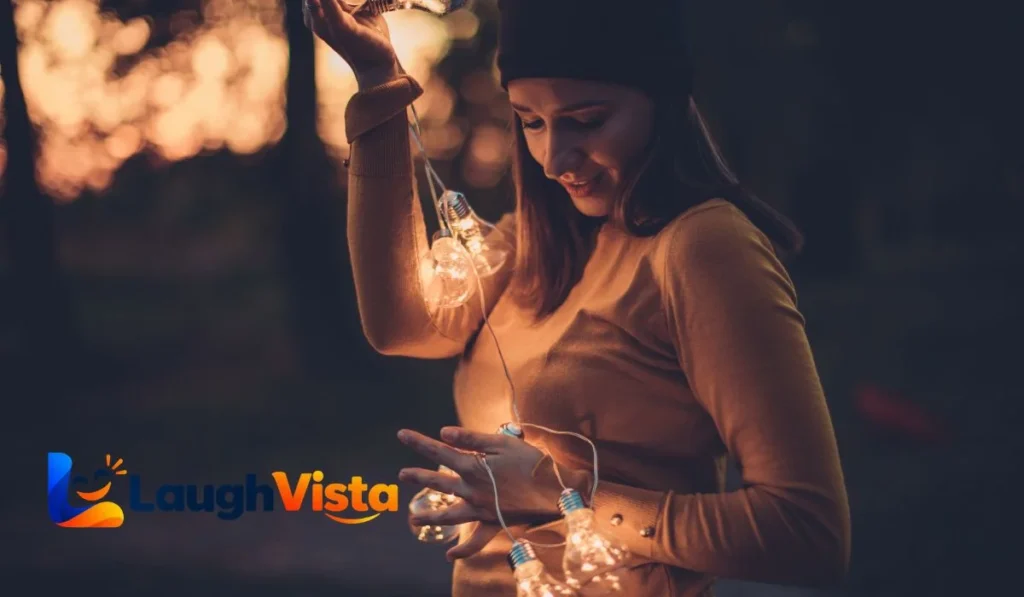
Understanding how light works does not require a physics degree, but knowing a few basic concepts helps you choose better bulbs. Light travels in waves, and different wavelengths produce different visual colors that our eyes perceive.
When you purchase a fun light, you will often see technical terms printed on the box like lumens, kelvins, and color spectrums. Demystifying these terms makes shopping for fixtures completely stress-free.
Let’s break down the three most important light concepts using straightforward, everyday language.
Understanding Color Temperature (Kelvins)
Color temperature measures how warm or cool a white light appears, and it is measured in units called Kelvins. Lower numbers mean warmer, yellower light, while higher numbers mean cooler, bluer light.
- 2000K to 2700K produces a soft, cozy glow similar to candlelight, making it ideal for bedrooms.
- 3000K to 4000K offers a clean, neutral white that works great in kitchens and study areas.
- 5000K and above mimics bright daylight, boosting alertness in home offices or workout spaces.
Lumens Versus Watts Explained
In the past, people judged bulb brightness by checking its wattage, but watts actually measure electricity usage rather than physical brightness. Lumens tell you exactly how bright a bulb will shine.
When choosing a fun light, focus on lumens to ensure it provides the right amount of illumination. A subtle accent light only needs around 200 lumens, whereas a main task light requires 800 lumens or more.
How RGB LEDs Produce Millions of Colors
RGB stands for Red, Green, and Blue, which are the primary colors of light. Color-changing smart bulbs contain tiny red, green, and blue diodes placed closely together on a single circuit board.
By adjusting the brightness of each diode, the bulb mixes those three primary colors to generate millions of shades. Turning up red and blue while turning off green creates a rich purple hue instantly.
Creative Lighting Comparison Chart
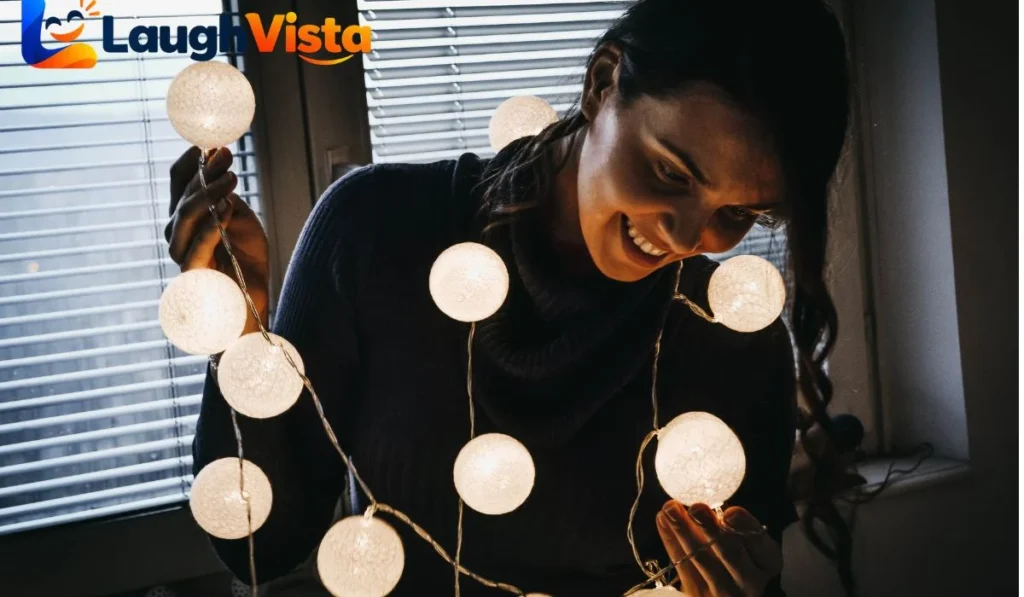
Selecting the perfect creative lighting for your space comes down to understanding how different fixtures function and where they deliver the most impact. Every room has unique architectural features, natural light levels, and functional needs, meaning a fixture that creates magic in a bedroom might feel overwhelming or out of place in a hallway. By evaluating decorative options side by side—considering placement, visual effect, and ease of setup—you can easily pinpoint which style best aligns with your design vision, routine, and budget.
Matching Fixtures to Room Layout and Function
Before purchasing any new light, take a close look at the physical layout of your room and how you utilize the space throughout the day. Compact bedrooms and home offices often benefit from space-saving accent fixtures like hidden LED strips or wall-mounted signs that do not clutter valuable desk or floor surfaces. Larger living rooms and dedicated entertainment zones, on the other hand, offer the space needed to accommodate dramatic floor projectors or statement lamps that wash entire walls in vibrant color.
Evaluating Visual Effects and Ambiance Impact
Different decorative lights produce vastly distinct visual results, ranging from sharp, graphic shapes to soft, ambient glows. Direct accent lighting—such as neon wall art—draws immediate attention and serves as a primary focal point, making it ideal for accent walls or photo backdrops. Indirect choices, like under-cabinet strip lights or galaxy projectors, diffuse their glow across surfaces to produce a soft, atmospheric backdrop that promotes relaxation and reduces eye strain during evening hours.
Assessing Installation and Maintenance Requirements
Factor in the installation process and ongoing maintenance to ensure your chosen lighting setup remains enjoyable rather than frustrating. Plug-and-play options like galaxy projectors or retro liquid lamps require zero setup beyond finding an open electrical outlet, making them ideal for quick upgrades or rental spaces. Strips and wall signage require careful placement, cable management, and adhesive backing, but they offer a permanent, custom-fitted look that seamlessly integrates into your existing home decor.
Step-by-Step DIY Fun Light Projects
Building your own custom lighting project is a fantastic weekend activity that lets you craft a truly unique piece of room decor. You do not need expert electrical knowledge to assemble eye-catching DIY fixtures safely.
Using low-voltage LED materials keeps these projects completely safe for beginners. Here are three simple, low-cost lighting crafts you can make at home.
The Glowing Cloud Lamp
A cloud lamp looks like a magical, storm-lit cloud floating safely inside your room. It changes colors and creates a stunning atmospheric effect when suspended from the ceiling.
Materials Needed
You will need a plastic paper lantern, synthetic cotton stuffing, a hot glue gun, and an app-controlled LED puck light or light strip.
Assembly Steps
- Expand the paper lantern and secure its wire framework inside.
- Use hot glue to attach small tufts of synthetic cotton stuffing all over the lantern exterior.
- Keep fluffing the cotton to build a natural, uneven cloud shape.
- Insert the battery-powered LED light inside the bottom opening of the lantern.
- Hang your finished cloud from the ceiling using a clear adhesive hook and nylon string.
Fairy Light Mason Jars
Fairy light jars turn basic glass containers into sparkling lanterns that look like captured fireflies. They are perfect for outdoor patio tables, nightstands, or holiday dinner setups.
Materials Needed
Gather clean glass mason jars, micro battery-powered fairy lights, and decorative frosted glass spray paint or tissue paper.
Assembly Steps
- Spray the inside of the jar with frosted glass coating to diffuse the light softly.
- Allow the spray paint to dry completely in a well-ventilated space.
- Uncoil your strand of fairy lights and feed them into the jar, letting them cluster naturally.
- Tape the small battery pack to the underside of the jar lid so it remains hidden.
- Close the lid and turn on the lights to enjoy a warm, magical tabletop lantern.
Geometric Origami Light Covers
If you enjoy paper crafts, folding geometric origami covers gives standard string lights a modern, artistic look. The folded paper softens the bulb output and casts geometric shadows across your walls.
Use thick craft paper or parchment paper to fold simple 3D boxes or diamond shapes. Cut a tiny opening at the top of each folded paper shape and slip it directly over individual bulbs on your string light.
Clever Places to Install Decorative Lighting

Where you place your fixtures is just as important as the types of lights you choose. Strategic placement directs the eye, highlights room features, and prevents glare.
By thinking about how you move through your room, you can install your fun light in spots that maximize both comfort and style. Here are four underutilized areas in your home ready for an upgrade.
Underneath Floating Furniture
Placing LED strips along the bottom edges of bed frames, sofas, or floating bathroom vanities creates an incredible floating illusion. It makes bulky furniture pieces feel lightweight and visually elevated.
This placement also serves as a fantastic nightlight system. The low floor glow guides your path in the dark without waking up your brain with bright overhead glare.
Inside Display Cabinets and Bookshelves
Bookshelves can look dark and crowded when lit only by ceiling fixtures. Installing small puck lights or LED strips on the underside of each shelf brings your book collections and decor to life.
Position the fixtures near the front edge of the shelf facing inward. This setup illuminates the spines of your books without shining directly into your eyes when you walk by.
Behind Framed Wall Art and Mirrors
Mounting subtle accent lighting behind wall mirrors or large art canvases creates a halo effect on the wall behind them. This soft backlighting draws attention to your artwork while adding ambient warmth.
Use warm white LED strips with built-in diffusers for the best outcome. The smooth diffusion prevents hot spots and creates an even, professional finish.
Along Staircase Handrails and Steps
Lighting up a staircase adds both dramatic visual flair and essential safety for night trips up and down the stairs. You can stick low-voltage LED tape under the handrail or beneath each step lip.
Motion-activated sensors make this setup even better. The lights will turn on automatically as you approach the stairs and shut off shortly after you leave the area.
MCQs
Test your understanding of creative room lighting concepts with these ten quick questions!
- What is the main purpose of adding a fun light to a room?
A. To increase total household electricity usage B. To create an engaging mood, express style, and enhance comfort C. To replace all home appliances with glowing bulbs D. To comply with strict building code rules - What color temperature range (in Kelvins) produces a cozy, warm glow suitable for bedrooms?
A. 5000K to 6500K B. 2000K to 2700K C. 8000K to 10000K D. 1000K or lower - Which metric measures the actual physical brightness of a light bulb?
A. Watts B. Volts C. Lumens D. Amps - What three primary colors are mixed by RGB LEDs to create millions of colors?
A. Red, Green, Blue B. Red, Yellow, Blue C. Orange, Green, Purple D. White, Black, Red - Where is an ideal spot to stick LED strip lights for reduced eye strain during screen use?
A. Directly onto the computer screen glass B. On the ceiling facing down C. Hidden behind the desk monitor as backlighting D. Inside the keyboard keys - Why are LED neon signs preferred over traditional vintage glass neon signs for home use?
A. They require real gas refills every month B. They operate cooler, use less energy, and are made from durable materials C. They are heavier and more fragile D. They only display white light - What basic craft item diffuses the light inside a DIY storm cloud lamp?
A. Metal foil B. Synthetic cotton stuffing C. Clear plastic wrap D. Heavy cardboard
Answer Key
- B
- B
- C
- A
- C
- B
- B
FAQs
How do I choose the right fun light for a small bedroom?
Start with flexible LED strip lights mounted behind your desk or TV, or choose a compact galaxy projector. These options provide big visual impact without taking up any precious floor or tabletop space in a smaller room.
Are color-changing LED strip lights safe to leave on overnight?
Yes, quality LED strip lights operate on low voltage and generate very little heat compared to traditional incandescent bulbs. However, it is always smart practice to turn off decorative lights when leaving home or sleeping for long periods.
Can I install a fun light setup in a rental apartment without damaging walls?
Absolutely, because most LED strips and light pucks use strong, removable mounting tape that leaves walls undamaged. You can also use plug-in table lamps, galaxy projectors, or floor lamps that require zero drilling or wall adhesive.
What is the difference between smart lights and regular decorative lights?
Smart lights connect directly to your home Wi-Fi or Bluetooth, allowing you to control colors, brightness, and schedules from a smartphone app or voice assistant. Regular decorative lights rely on manual physical switches or basic inline remotes.
How do I hide messy wires from my decorative lighting setups?
Use self-adhesive cable raceways, clear wire clips, or fabric cable sleeves colored to match your walls. Routing cords along baseboards or behind furniture keeps your decorative lighting setup looking clean, organized, and professionally installed.
Will adding accent lighting significantly increase my monthly electric bill?
No, modern decorative fixtures use energy-efficient LED technology that consumes very little electricity compared to old bulbs. Running an LED light strip for several hours a day usually costs only a few cents per month.
Conclusion
Bringing a fun light setup into your home is one of the most rewarding and affordable ways to completely transform your living environment. By combining dynamic colors, smart placement, and creative DIY ideas, you turn plain rooms into warm, inviting spaces that bring a smile to your face.
You do not need expensive contractor installations or advanced electrical skills to craft an amazing setup. Start small with a simple strip light or tabletop lamp, experiment with different colors, and watch how your mood brightens.
Pick a cozy corner of your room today and install your very first fun light fixture to experience the transformation firsthand!

Asjad Ali is a passionate, fun, and entertainment enthusiast who enjoys discovering interesting, amusing, and engaging content from around the web. Through laughvista.com, Asjad shares lighthearted ideas, entertaining stories, fun facts, jokes, and enjoyable content designed to bring a little more laughter and positivity into everyday life. His goal is to create content that feels natural, relatable, and easy for everyone to enjoy.
With a genuine interest in fun and entertainment, Asjad Ali focuses on creating friendly content for readers of different ages and backgrounds. laughvista.com is built around the idea that a few moments of laughter can brighten anyone’s day. Whether readers are looking for something funny, interesting, or simply entertaining, Asjad aims to make every visit enjoyable, refreshing, and worth coming back to.