Fun in Balloonland is a famous 1965 live-action children’s musical film featuring giant inflatable parade floats, imaginative costumes, and quirky songs. The movie captures a young boy named Rickey dreaming about an enchanting world made entirely of colorful balloons, offering nostalgic charm and pure vintage entertainment for classic film lovers.
Have you ever wondered what happens when giant holiday parade floats come to life inside a little kid’s imagination? If you love obscure cinema history and retro children’s shows, discovering fun in balloonland feels like opening a dusty old toy box full of surprises.
This unique 1965 specialty film takes viewers on a surreal, music-filled journey through a kingdom populated by rubber giants and whimsical creatures. Whether you are a classic movie fan or just looking for a fascinating piece of pop-culture nostalgia, finding total fun in Balloonland is an adventure unlike anything else in mid-century entertainment.
What Is Fun in Balloonland?
To truly appreciate this bizarre piece of film history, you need to understand where it came from. Released in 1965, the movie combines actual parade footage with scripted live-action scenes featuring an energetic young boy named Rickey.
Rickey falls asleep after playing with his toys and finds himself transported to a magical, colorful realm. In this dreamscape, giant inflatable figures walk, talk, and sing while guiding him through their whimsical territory.
The Origins of the 1965 Film
During the mid-1960s, independent filmmakers frequently experimented with cheap ways to create children’s media. Producer Ub Iwerks and local production crews realized that filming public parades offered instant, high-value production design without expensive studio sets.
By blending footage from real Thanksgiving Day parades with simple studio inserts, they stitched together a feature-length narrative. This clever approach gave the film massive scale on a tiny budget, creating an eerie yet fascinating visual style.
Why It Became a Cult Classic
For decades, this hidden gem sat quietly in private archives and local television vaults. The explosion of video-sharing platforms brought it back into the spotlight, attracting a brand-new audience of cult film enthusiasts.
Modern viewers love its unintentional comedy, expressive voice acting, and distinct vintage aesthetic. It stands out today as a genuine, unpolished relic of 1960s local children’s television programming.
The Storyline and Main Characters
The plot follows a simple, fable-like structure designed to hold the attention of young children. Every character Rickey meets offers a new song, a riddle, or a gentle lesson about imagination.
- Rickey: The adventurous young protagonist who explores the dream world in his pajamas.
- The Marrying Bunny: A giant rabbit float that hosts joyous celebration games.
- The Rubber Snake: A playful, oversized reptile that snakes through the colorful crowds.
- The Lobster King: A towering, red inflatable crustacean ruling over the underwater parade section.
Exploring the Visual Style and Production Techniques
Making a movie out of giant rubber floats was no small task back in 1965. The creative team relied on old-school stage tricks, voice overlays, and clever framing to pull off the illusion.
Blending Parade Footage with Live Actors
One of the most impressive tricks used in the movie is forced perspective. The director placed human actors close to the camera lens while giant floats passed in the background, making it look like they were sharing the same physical space.
This technique created a dreamlike sense of scale. While the edits can feel abrupt to modern eyes, it was an inventive way to build a fantasy world without digital special effects.
Sound Design and Whimsical Audio
The audio track relies heavily on cheerful organ music, brass instruments, and enthusiastic voiceovers. Narrators speak directly to the audience, encouraging kids at home to guess riddles and sing along.
This interactive format kept children engaged during local theatrical screenings. The catchy, repetitive tunes remain stuck in your head long after the credits roll.
Behind the Scenes: How Inflatables Took Over the Screen
Working with giant inflatable props comes with serious real-world challenges. Unlike standard wooden props, giant balloons react strongly to wind, sun, and temperature changes.
Key Inflatable Challenges and Solutions
- Wind Sensitivity: Outdoor breezes often caused the massive floats to sway unpredictably. To solve this, hidden handlers used tether lines while wearing masks to blend into the background.
- Air Pressure Loss: Over long shooting days, the rubber material slowly lost shape. Production teams kept on-site hand pumps and hidden patch kits ready for fast repairs.
- Sunlight Glare: Bright outdoor sunlight created strong glares on the shiny vinyl surfaces. Crews sprayed matte powder over the figures to reduce reflections on camera.
- Storage Limits: Fully inflated floats were far too big to store easily. The team had to completely deflate them between filming locations and store them inside local warehouses.
Managing the Giant Rubber Floats
The floats seen on screen were originally built for large city parades across the United States. Moving these multi-story rubber structures required teams of dozens of volunteers holding heavy rope tethers off-camera.
When filming outside, unexpected gusts of wind would suddenly twist characters sideways mid-scene. The directors simply kept the camera rolling, adding to the unpredictable charm of the final cut.
The Art of Hand-Painted Vinyl
Every character float featured hand-painted details created by master craftsmen. Artists used flexible, oil-based paints that would not crack or peel when the vinyl expanded or collapsed.
Up close, these hand-painted faces show incredible personality and detail. The bright primary colors popped beautifully on 35mm film stock, creating a vivid visual palette.
Key Themes and Lessons for Modern Audiences
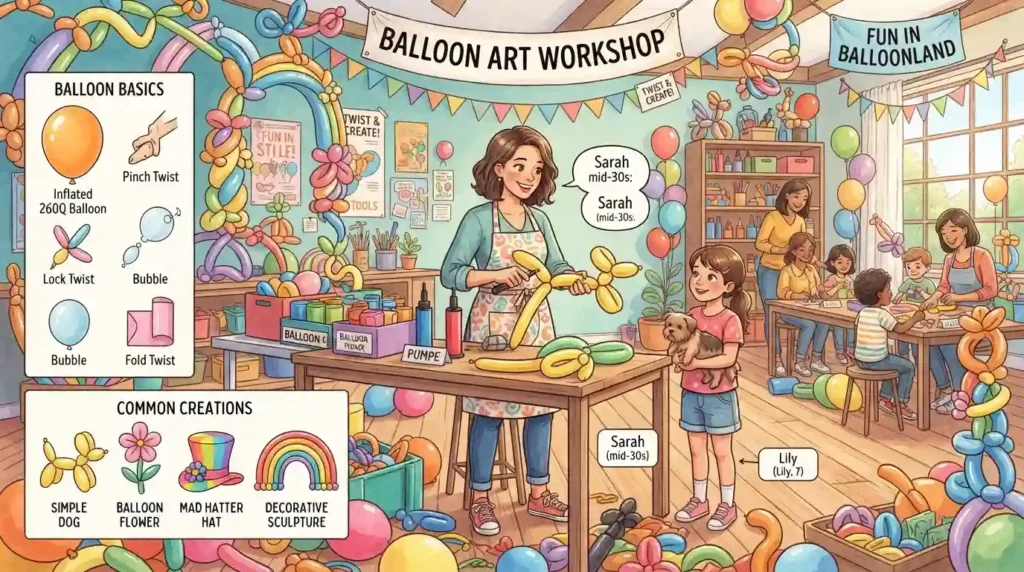
Behind the goofy songs and towering rubber monsters lies a sweet message about childhood creativity. The movie encourages kids to see wonder in ordinary everyday objects.
Encouraging Pure Imagination
At its core, the story proves that you do not need expensive toys to have a great time. A simple bedsheet can become a magic carpet, and a street parade can turn into an alien planet.
This simple message resonates strongly with parents who want to inspire screen-free play in their own homes. It reminds us that open-ended play is a powerful tool for learning.
Nostalgia and Vintage Culture
Watching the movie offers a wonderful window into mid-century American culture. From the fashion of the parade crowds to the style of the residential streets, every frame captures a specific moment in time.
- 1960s Fashion: Viewers can spot classic coats, hats, and vintage strollers in the crowd shots.
- Retro Advertising: Old storefront signs and classic automobiles line the background streets.
- Community Spirit: The footage highlights how entire towns gathered together for local holiday parades.
How to Host Your Own Vintage Film Night
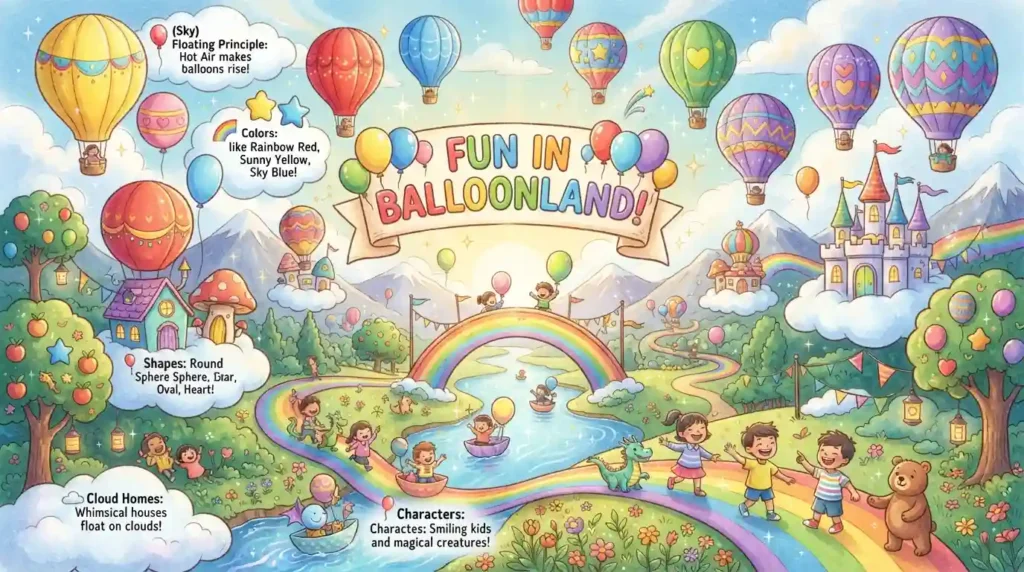
If you want to share this incredible piece of film history with family or friends, setting up a theme night makes the experience even better.
Setting the Retro Atmosphere
Turn off modern overhead lighting and use soft lamps to create a cozy, old-fashioned theater vibe. Serving retro snacks gives your guests a fun trip down memory lane.
- Prepare fresh buttered popcorn in classic striped paper bags.
- Mix up fruit punch or serve vintage bottled sodas.
- Hand out colorful helium balloons as party favors for your guests.
- Set up a simple photo backdrop with inflatable props for fun photos.
Engaging Your Audience During the Show
Because the movie features interactive elements, encourage everyone to participate just like audiences did back in 1965. Sing along with the catchy musical numbers and guess the riddles out loud together.
Sharing reactions during the wilder parade sequences turns a simple movie viewing into a lively social event that everyone will remember.
MCQs
Test your knowledge about the history, characters, and production details of this classic film!
1. What is a balloon usually filled with to make it float?
A) Helium
B) Water
C) Sand
D) Oil
2. Which shape is commonly associated with balloons?
A) Round
B) Square only
C) Flat triangle
D) Rectangle only
3. What can make a Balloonland theme colorful?
A) Balloons in many colors
B) Plain walls
C) Empty spaces
D) Dark furniture only
4. Which activity can be part of a balloon-themed celebration?
A) Balloon decorating
B) Snow skiing
C) Deep-sea diving
D) Rock climbing
5. What happens to a helium balloon when released outdoors?
A) It can rise into the air
B) It sinks immediately
C) It turns into water
D) It becomes heavier
6. Which material is commonly used for party balloons?
A) Latex
B) Concrete
C) Steel
D) Glass
7. What can balloon artists create?
A) Balloon animals and shapes
B) Wooden furniture
C) Metal tools
D) Glass buildings
8. Which setting would fit a Balloonland theme?
A) Colorful fantasy park
B) Empty warehouse
C) Dark garage
D) Plain office
9. Why are balloons popular at celebrations?
A) They add color and decoration
B) They provide electricity
C) They replace tables
D) They cook food
10. What is an important safety practice with balloons around young children?
A) Keep small balloon pieces away from them
B) Leave broken balloons on the floor
C) Encourage children to chew balloons
D) Store balloons near flames
Answer Key
1-A | 2-A | 3-A | 4-A | 5-A | 6-A | 7-A | 8-A | 9-A | 10-A
FAQs
What is the main story of Fun in Balloonland?
The movie tells the story of a young boy named Rickey who dreams of entering a magical kingdom filled with giant inflatable parade floats, playful characters, and interactive songs.
Is Fun in Balloonland suitable for young children?
Yes, the movie was specifically created for young kids and features gentle humor, cheerful music, and simple interactive riddles without any scary content.
Where was the parade footage filmed?
The producers captured footage from large annual holiday parades held in various American cities during the early to mid-1960s to create their massive fantasy setting.
Why is the movie considered a cult classic today?
Modern viewers love its unique vintage charm, unusual blend of live-action narrative with parade floats, and nostalgic peek into 1960s pop culture.
How long is the original film?
The full-length feature film runs for approximately 53 minutes, making it a quick and entertaining watch for retro cinema fans.
Conclusion
Experiencing fun in balloonland offers a delightful step back into a simpler era of children’s entertainment. Its combination of giant hand-painted floats, catchy organ music, and pure imagination makes it a truly unique piece of film history.
Whether you are studying retro production techniques or simply looking for a fun movie night pick, this 1965 classic never fails to bring a smile. Gather your friends, inflate a few colorful balloons, and enjoy the magical journey through this classic rubber kingdom!

Asjad Ali is a passionate, fun, and entertainment enthusiast who enjoys discovering interesting, amusing, and engaging content from around the web. Through laughvista.com, Asjad shares lighthearted ideas, entertaining stories, fun facts, jokes, and enjoyable content designed to bring a little more laughter and positivity into everyday life. His goal is to create content that feels natural, relatable, and easy for everyone to enjoy.
With a genuine interest in fun and entertainment, Asjad Ali focuses on creating friendly content for readers of different ages and backgrounds. laughvista.com is built around the idea that a few moments of laughter can brighten anyone’s day. Whether readers are looking for something funny, interesting, or simply entertaining, Asjad aims to make every visit enjoyable, refreshing, and worth coming back to.