

Plants are far more dynamic than they appear. From communicating through underground fungal networks to releasing chemical distress signals when eaten, the botanical world is packed with surprising behaviors. Exploring fun plant facts reveals how greenery eats meat, survives extreme environments, and shapes life across our entire planet.
Did you know that plants can actually hear water moving through pipes, or that trees talk to each other beneath your feet? The world of botany is filled with jaw-dropping surprises that sound like pure science fiction.
If you are looking for amazing fun plant facts to share with friends, you have come to the right place. Get ready to discover the weird, wonderful, and hilarious secrets of the green kingdom!
The Social Life of Plants: How Greenery Communicates
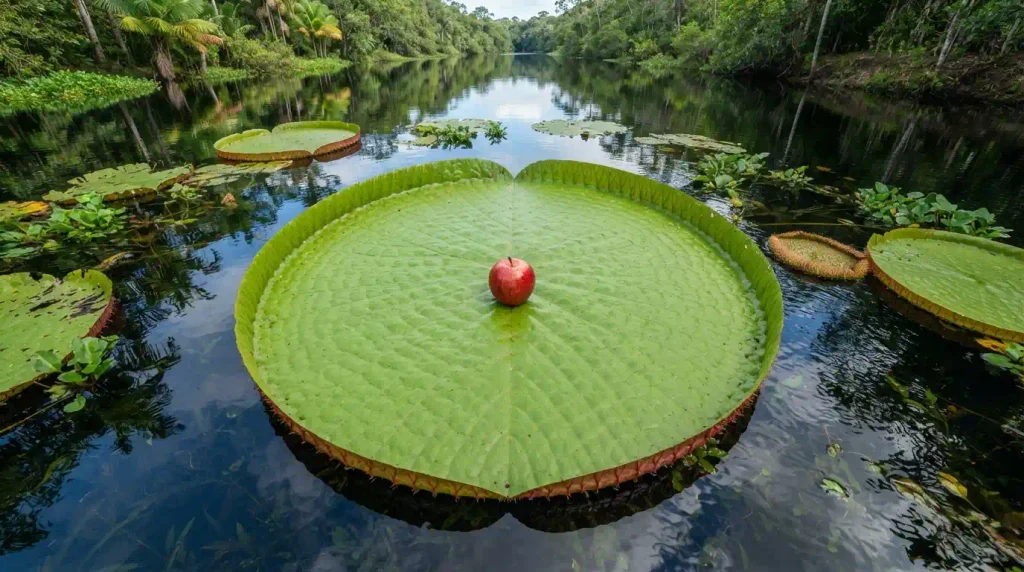
It is easy to think of trees as quiet loners standing still in a park. The truth is that plants are constantly chatting, sharing resources, and warning their neighbors about danger.
The Underground Wood Wide Web
Beneath the soil lies a massive network of microscopic fungal threads connecting individual trees. Scientists call this incredible system the mycorrhizal network.
Through these hidden pathways, older trees send surplus sugars to younger saplings that lack sunlight. If a tree becomes sick, it can even pass its remaining nutrients down the line to assist neighboring plants.
Chemical Alarms and Airborne Warnings
When a caterpillar takes a bite out of a leaf, the damaged plant does not suffer in silence. It instantly releases airborne chemicals called volatile organic compounds.
- Neighboring plants catch the scent and quickly produce bitter chemicals to repel incoming insects.
- Some plants even send out specific chemical scents that attract parasitic wasps to attack the caterpillars.
- Corn plants can call for precise predatory insects depending on which bug is eating them.
Carnivorous Plants: Nature’s Clever Meat Eaters
Not every plant relies solely on sunlight and soil to thrive. Some species have evolved fascinating strategies to trap and digest live prey.
The Lightning-Fast Venus Flytrap
The Venus flytrap is perhaps the most famous carnivorous plant on the planet. Its inner trap features tiny trigger hairs that count insect touches to prevent false alarms.
A bug must touch two separate hairs within twenty seconds for the trap to snap shut. This clever counting mechanism ensures the plant saves valuable energy for real meals rather than falling raindrops.
Pitcher Plants: Nature’s Slippery Pitfalls
Pitcher plants feature deep, tube-like leaves filled with slippery nectar and digestive enzymes. Unwary bugs land on the slick rim, slide into the liquid pool below, and slowly dissolve.
Some large pitcher plant species in tropical rain forests grow big enough to drown and digest small frogs, lizards, and mice.
Plant Superpowers: Unbelievable Survival Tactics
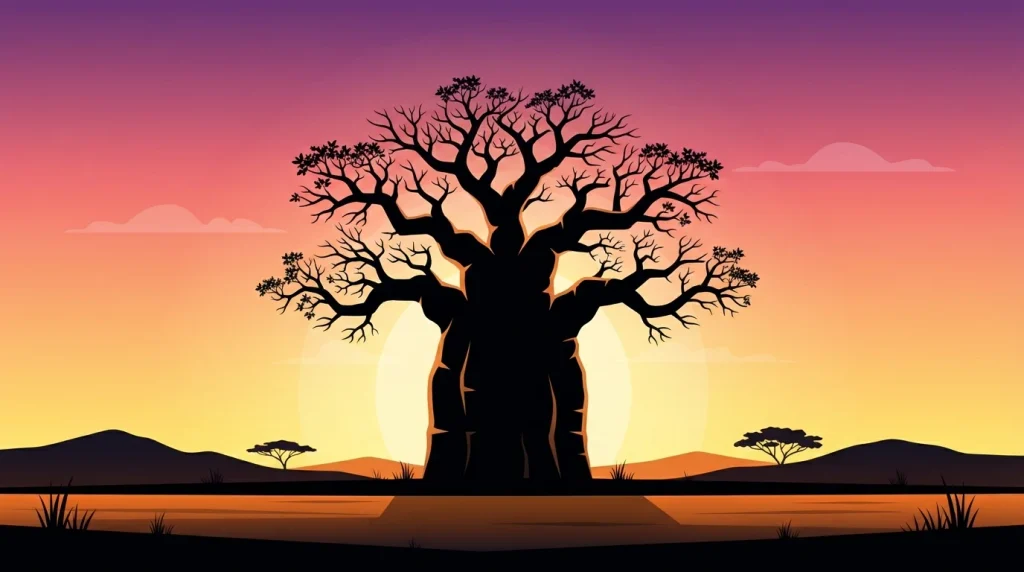
Plants cannot run away when conditions get tough. Instead, they have developed unbelievable physical powers to survive extreme weather and predators.
The Secret Power of Resurrection
The resurrection fern looks completely dead and brittle during long dry spells. It can lose up to ninety-five percent of its moisture content without actually dying.
When rain finally falls, this amazing plant uncurls and turns vibrant green within a few hours. It can repeat this miraculous transformation process for decades.
Explosive Seed Pods
Some plants do not rely on wind or animals to spread their seeds. They use built-in hydraulic pressure to fling seeds away like tiny botanical cannons.
The squirting cucumber builds up internal fluid pressure until it shoots its seeds up to twenty feet away. This explosive blast ensures the new sprouts do not compete with the parent plant for soil space.
Mind-Blowing Plant Facts Comparison
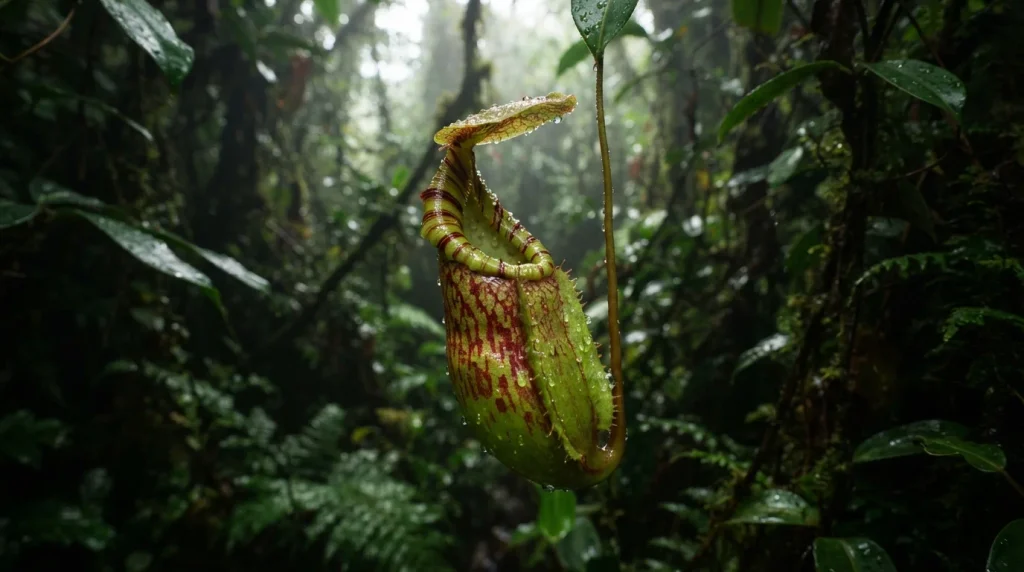
When you compare different species across the botanical world, it quickly becomes clear that plants have evolved radically different strategies to solve life’s everyday challenges. While a giant tree focuses on structural engineering to reach the sky, a tiny carnivorous plant turns itself into a high-speed spring trap to catch dinner. Comparing these extreme traits side-by-side highlights just how adaptive and creative plant life can be when competing for survival in tough environments.
Size Extremes: Tiny Duckweed vs. Towering Sequoias
The scale of the plant kingdom is almost hard to wrap your head around. On one end of the spectrum, microscopic watermeal duckweed floats on ponds, measuring less than a millimeter across—smaller than a single grain of rice. On the other end, the Giant Sequoia known as General Sherman stands over two hundred and seventy-five feet tall and weighs over two million pounds. Despite these massive differences in physical size, both organisms use the exact same cellular mechanics to convert sunlight into energy.
Fast vs. Slow: Rapid Movement in a Still World
We usually think of plants as slow-moving living things that only change over weeks or months. However, species like the Venus flytrap can snap their specialized leaves shut in less than a tenth of a second, faster than the blink of a human eye. Compare that to slow-growing desert cacti like the Saguaro, which can take up to ten years just to grow a single inch tall. These contrasting speeds show how plants adapt their growth and movement rates to match their local ecological needs.
Survival Hacks: Extreme Drought vs. Deep Water Living
Survival strategies vary wildly depending on where a plant calls home. Desert succulents like the Saguaro store thousands of gallons of freshwater inside their thick trunks to endure months of scorching drought. Meanwhile, aquatic plants like Amazon water lilies develop gigantic floating pads with specialized air channels that allow them to breathe and thrive while completely submerged in deep river currents. Each environment pushes plants to develop completely different physical superpowers to stay alive.
Bizarre Plants That Break All the Rules
Some botanical species look and act so strange that they defy our everyday expectations of what a plant should be.
The Flower That Smells Like Rotting Meat
The Rafflesia arnoldii produces the world’s largest individual flower, reaching three feet across. It does not smell sweet like a rose; instead, it emits an odor like decaying meat.
This unpleasant smell attracts carrion flies, which inadvertently pollinate the giant bloom.
The Sensitive Plant That Folds Up
Mimosa pudica, often called the sensitive plant, shrinks away when touched. Its leaves instantly fold inward within seconds of human contact.
This rapid movement scares off plant-eating insects and makes the foliage look smaller and less appetizing.
Daily Uses and Surprising Everyday Plant Facts
Plants play huge roles in our daily lives that we rarely pause to think about during a busy day.
Vanilla Comes from an Orchid
Most people love vanilla ice cream, but few realize vanilla beans come from an orchid vine. The blossoms must be hand-pollinated within hours of opening to produce the prized flavor pods.
Apple Trees Are Rosy Relatives
Next time you bite into an apple, remember you are eating a distant relative of the rose family. Peaches, pears, plums, and strawberries also belong to this same beautiful floral group.
- Apples float in water because twenty-five percent of their volume is trapped air.
- Bamboo can grow up to three feet tall in a single twenty-four-hour period.
- Bananas are technically berries, while strawberries are not real botanical berries at all.
MCQs
- What network allows trees to share nutrients underground?
A. The Water Web B. The Mycorrhizal Network C. The Nitrogen Grid D. The Sap Highway - How many times must a hair trigger be touched on a Venus flytrap to trigger closure?
A. Once B. Twice within 20 seconds C. Three times rapidly D. Five times in one minute - What does the Rafflesia arnoldii flower smell like?
A. Sweet vanilla B. Fresh citrus C. Rotting meat D. Spearmint - What percentage of an apple’s volume is made up of air?
A. 5 percent B. 10 percent C. 25 percent D. 50 percent - Which popular fruit is actually a relative of the rose family?
A. Banana B. Apple C. Mango D. Orange - How does the squirting cucumber spread its seeds?
A. Wind currents B. Bird consumption C. Explosive hydraulic pressure D. Floating downstream - What happens to a resurrection fern when water touches it after a drought?
A. It turns brown B. It turns green up within hours C. Its leaves drop off D. It produces flowers immediately - Why do pitcher plants have slippery inner rims?
A. To trap falling rainwater B. To slide insects down into digestive fluid C. To attract bumblebees D. To reflect sunlight - Which plant can grow up to three feet in a single day?
A. Oak tree B. Bamboo C. Kudzu D. Sunflower - Why do plants release volatile organic compounds when damaged?
A. To cool down leaf temperatures B. To warn neighboring plants of pests C. To attract rain clouds D. To absorb extra carbon dioxide
Answer Key
- B
- B
- C
- C
- B
- C
- B
- B
- B
- B
FAQs
Do plants really feel pain when you cut them?
Plants do not have brains or nervous systems, so they do not feel pain like humans do. However, they send rapid electrical signals and stress chemicals across their tissues when damaged.
Can plants hear music playing around them?
Plants do not have ears, but research shows they respond to sound vibrations. Specific sound frequencies can encourage better cell growth and speed up water intake inside stems.
How do trees drink water against gravity?
Trees pull water up to high branches using capillary action and transpiration pull. As water evaporates from leaf pores, it creates suction that pulls more liquid upward through trunk tubes.
Are all carnivorous plants dangerous to people?
Carnivorous plants are completely harmless to humans and pets. Their small traps are designed exclusively to catch tiny insects, small spiders, and occasional aquatic microbes.
Why do some plant leaves change color in autumn?
Leaves change color as sunlight decreases and chlorophyll production stops. When green pigments fade away, underlying yellow, orange, and red pigments finally become visible to our eyes.
How old is the oldest living plant on Earth?
The oldest individual tree is a Great Basin bristlecone pine named Methuselah, which is over 4,800 years old. Some underground clonal plant colonies are estimated to be tens of thousands of years old.
Conclusion
Exploring fun plant facts reveals that the natural world is full of amazing surprises waiting to be noticed. From trees communicating through fungal webs to flowers mimicking scents to attract bugs, plants are far more active than they seem.
Understanding these remarkable plant behaviors brings a fresh perspective to every park walk and garden visit. Nature is full of clever strategies that help greenery adapt and thrive across our planet.
Next time you step outside, take a closer look at the green leaves around you. Share these fun facts with your friends, and keep exploring the incredible world of botany!

Asjad Ali is a passionate, fun, and entertainment enthusiast who enjoys discovering interesting, amusing, and engaging content from around the web. Through laughvista.com, Asjad shares lighthearted ideas, entertaining stories, fun facts, jokes, and enjoyable content designed to bring a little more laughter and positivity into everyday life. His goal is to create content that feels natural, relatable, and easy for everyone to enjoy.
With a genuine interest in fun and entertainment, Asjad Ali focuses on creating friendly content for readers of different ages and backgrounds. laughvista.com is built around the idea that a few moments of laughter can brighten anyone’s day. Whether readers are looking for something funny, interesting, or simply entertaining, Asjad aims to make every visit enjoyable, refreshing, and worth coming back to.