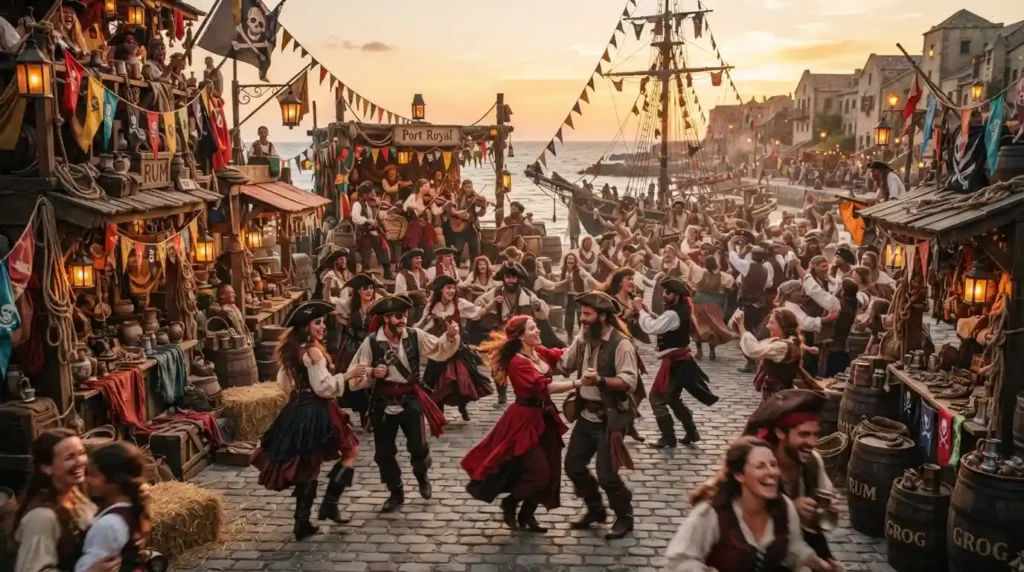
A fun pirate experience combines lighthearted swashbuckling lore, creative costume craft, engaging treasure hunt games, and playful lingo to turn historical high-seas adventures into entertaining activities for all ages. You can bring this theme to life through party games, historical trivia, immersive storytelling, and DIY pirate craft projects.
Ever wonder why we are still obsessed with high-seas adventures centuries after the Golden Age of Piracy ended? There is something undeniably exciting about grabbing a makeshift sword, shouting “Ahoy,” and searching for buried treasure.
Bringing a fun pirate theme into your games, parties, or learning activities adds instant energy to any day. You do not need a wooden ship or an ocean view to feel like a true captain of the waves.
With a few clever party games, simple DIY props, and fascinating historic facts, anyone can craft an unforgettable voyage. Let’s look at how you can plan your own fun pirate experience step-by-step.
Pirates have shifted from feared sea rovers into beloved icons of freedom, adventure, and humor. Modern movies, books, and games have reshaped maritime history into a colorful world filled with talking parrots and hidden gold.
When we think of a fun pirate today, we picture witty captains, clever tricks, and exciting voyages across mysterious waters. This lighthearted image lets people of all ages play pretend without worrying about the harsh realities of the eighteenth century.
How Historical Raiders Became Playful Heroes
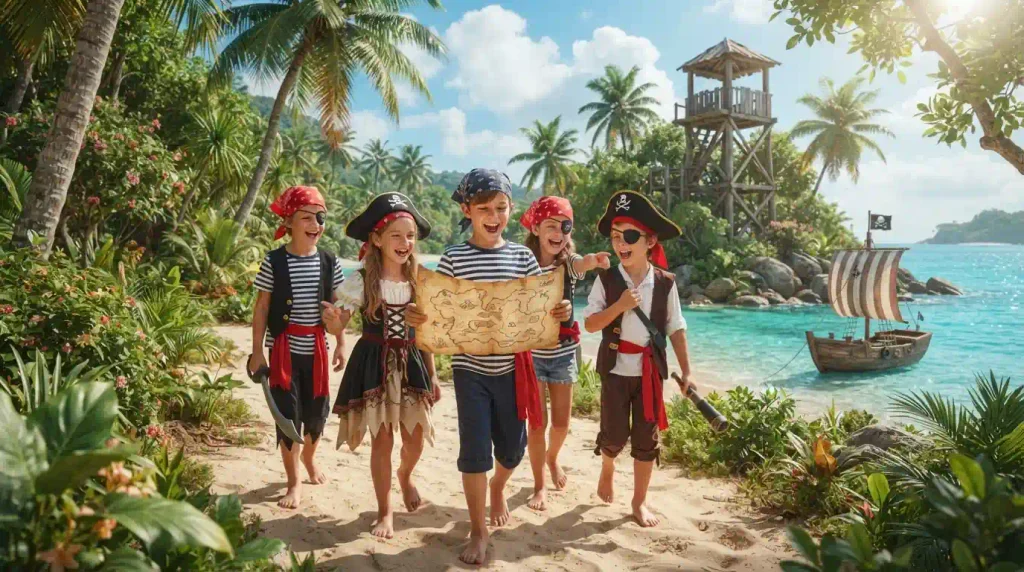
Old maritime accounts described sea raiders as tough, rugged sailors fighting for survival on stormy seas. Over the years, theater plays and adventure novels began romanticizing their open-ocean lifestyle.
By the time modern cinema arrived, sea captains were portrayed as heroic rogues with hearts of gold. This cultural transformation turned scary nautical history into fantastic family entertainment.
Why the Swashbuckling Theme Never Goes Out of Style
The appeal of maritime lore comes from its spirit of independence and boundless discovery. Sailing toward an unknown horizon represents the ultimate escape from daily routines.
Wearing eye patches, talking in funny accents, and decoding map clues lets adults and kids step into a world of pure imagination. That sense of wonder keeps pirate adventures popular generation after generation.
Throwing a themed event is the ultimate way to bring nautical excitement to life for your friends or family. A great gathering relies on immersive decorations, playful snacks, and active games that get everyone involved.
You do not need a huge budget to transform your living room or backyard into a swashbuckling haven. Careful planning and creative touches make the experience feel authentic and lively.
Transforming Your Space into a Pirate Ship Deck
Creating an immersive atmosphere starts with simple, rustic decorations that mimic an old wooden vessel. Hang dark netting across walls and drape brown rope along railings to set a nautical mood.
- Use cardboard boxes painted with wood grain texture to create cannon ports and storage crates.
- Float black and red balloons around the room, or draw skull-and-crossbones icons on paper flags.
- Set up a small photo booth area featuring an old ship’s wheel, plastic swords, and fabric bandanas.
- Play soft ocean wave sounds mixed with acoustic accordion music in the background.
Serving High-Seas Snacks and Creative Drinks
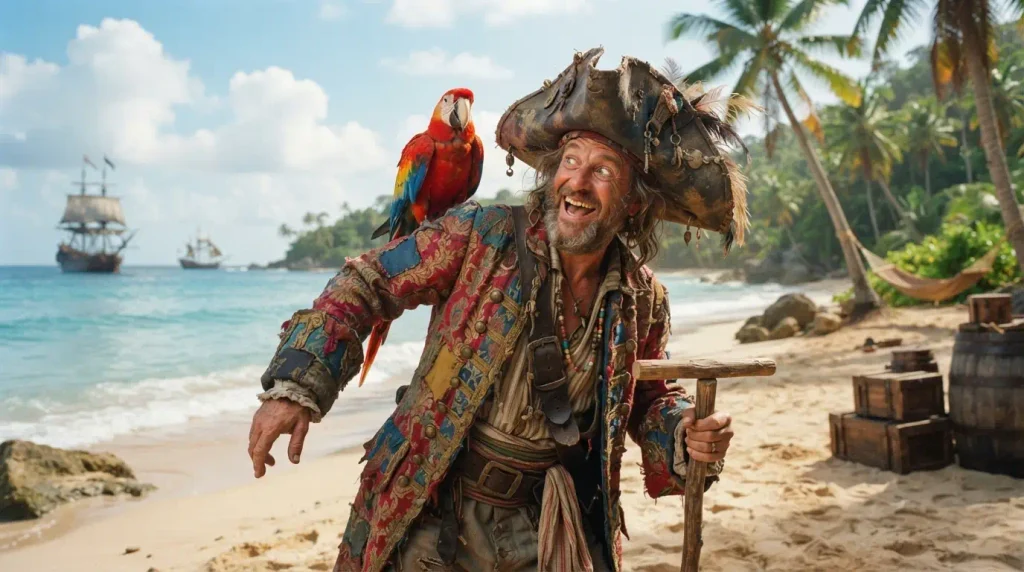
Food at your gathering should be easy to eat while fitting the maritime theme seamlessly. Renaming everyday snacks with clever nautical titles instantly delights your hungry crew.
Serve fruit skewers shaped like mini swords using plastic toothpicks stuck into melon cubes. Fill a large punch bowl with blue tropical juice and floating gummy fish to create an ocean brew. Rice Krispies treats shaped like gold bars offer a sweet reward that fits the treasure theme.
Interactive Games for Crew Members of All Ages
Games keep the energy high and give your guests a chance to earn their sea legs. Organize activities that encourage teamwork, friendly competition, and plenty of laughs.
Try a cannonball toss using soft black foam balls aimed at plastic laundry baskets. Set up a plank-walking balance game across a low wooden board placed safely over a blue tarp ocean. You can also host a costume contest where guests vote on the funniest accent or best pirate outfit.
No high-seas adventure is complete without searching for hidden loot. A well-designed treasure hunt builds anticipation and gets everyone solving puzzles together.
Creating a memorable hunt requires balancing clever clues with accessible hiding spots so the game stays exciting from start to finish.
Crafting Authentic-Looking Treasure Maps
An authentic map sets the tone for your entire quest before the search even begins. You can easily make fresh white paper look like centuries-old parchment using simple household items.
- Lightly brush a fresh sheet of paper with brewed black tea or coffee.
- Let the paper dry completely, then gently crinkle it into a ball to create realistic aged wrinkles.
- Use a black gel pen to draw island landmarks, compass roses, and a dotted trail leading to an “X”.
- Carefully tear the edges of the paper by hand to give it a worn, weathered border.
Writing Clever Clues and Riddles
Riddles guide players from one location to the next while keeping their minds active. Keep your rhyming clues simple so players do not get stuck for too long in one spot.
For example, write a clue like: “I have hands but cannot hold a sword, look behind me where cold water is stored” to lead them to the kitchen refrigerator. Varying clue types—such as picture puzzles, decoded ciphers, and rhyming couplets—keeps the hunt fresh and engaging.
Assembling the Treasure Chest Loot
The final prize should feel rewarding after all that hard work solving clues. Fill a small wooden or decorated cardboard chest with a mix of sweet treats and silly keepsakes.
Include gold chocolate coins, plastic jewels, ring pops, mini telescopes, and custom printable certificates. Handing out official sailor diplomas at the end makes every participant feel like a successful explorer.
Separating real history from Hollywood fiction leads to surprising and entertaining discoveries. Historical sea raiders had fascinating rules, unique diets, and strict codes of conduct that differ greatly from movie tropes.
Sharing these surprising facts during your event or activity adds educational value to all the playful entertainment.
Did Pirates Really Carry Parrots?
Movies often show ship captains sailing around with bright green parrots perched on their shoulders. While some sailors did buy foreign birds in tropical ports, they usually bought them to sell for profit back home.
Parrots were popular trade goods because they were colorful, could learn simple sounds, and fetched high prices in European markets. However, keeping a loud bird on your shoulder during a choppy storm was far less common than movies suggest.
The Truth About Eye Patches and Wooden Legs
The classic image of an explorer wearing an eye patch might have a practical explanation beyond hiding a combat injury. Some historians believe sailors wore a patch over one eye so that eye remained adapted to pitch-black darkness.
When walking below deck into dark storage holds, flipping the patch to the other eye allowed immediate night vision without waiting for pupils to adjust. As for peg legs and hook hands, while sea doctors did perform basic amputations, surviving such injuries on old ships was extremely rare.
Ship Codes, Rules, and Democracy at Sea
Contrary to popular belief, pirate ships were often run far more democratically than traditional navy vessels. Crews voted on their captains, decided where to sail, and voted on how to divide captured loot fairly.
They lived by written agreements called Articles of Agreement, which prohibited fighting on board and outlined compensation for injured crew members. If a captain lost the trust of his crew, the sailors could hold a vote and replace him peacefully.
Here is a simple summary comparing common swashbuckling activities for parties, learning sessions, or casual weekend fun:
Mastering high-seas slang is one of the fastest ways to add humor to any conversation. Shouting out nautical phrases with enthusiasm instantly breaks the ice at events and games.
You do not need a complex dictionary to sound like a seasoned sea captain. Learning just a few classic terms will have you talking like a fun pirate in minutes.
Essential Vocabulary Every Captain Should Know
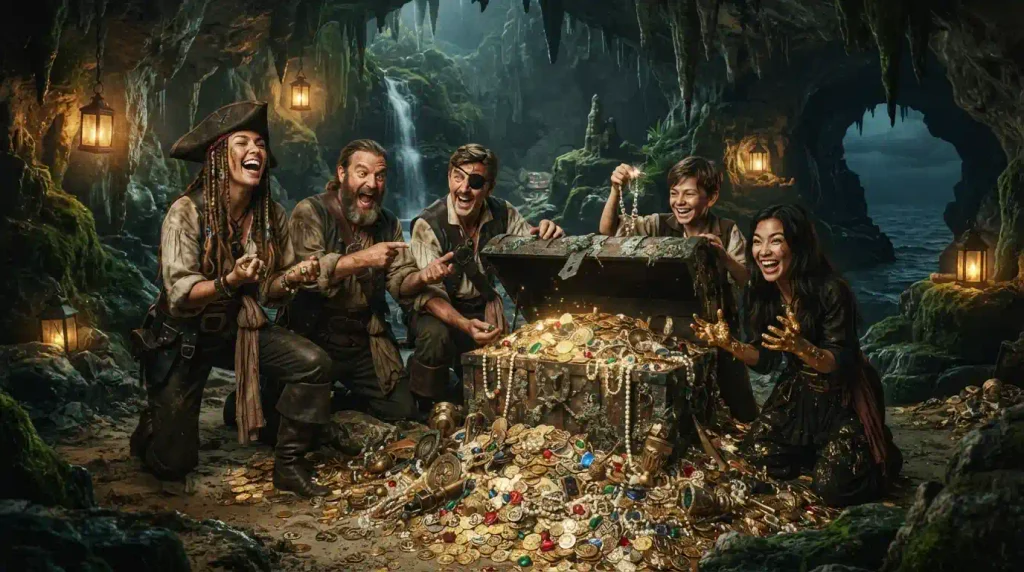
Nautical slang relies on bold expressions and strong maritime words. Incorporate these popular terms into your speech to build a funny character.
- Ahoy: A friendly greeting used to call out to another ship or person.
- Aye, Aye: A respectful way to say “I understand and will do it right now.”
- Booty: Treasure, gold coins, or valuable goods collected on a voyage.
- Avast: A sudden command meaning “stop immediately” or “pay attention.”
- Shiver me timbers: An expression of surprise or shock, referring to ship wood rattling during a storm.
How to Practice Your Accent and Delivery
Speaking like a sea rover requires a deep voice, rolled letters, and lots of expression. Growl your “R” sounds heavily whenever you say words like “treasure” or “ready.”
Leaning forward, gesturing with your hands, and squinting one eye helps bring the character to life visually. Remember that high-seas talk is meant to be silly, so never take yourself too seriously while practicing.
You do not need to purchase expensive rental costumes to look the part. Simple clothes sitting in your closet can easily be transformed into authentic-looking sailor garb.
With a few strategic cuts, simple knots, and basic accessories, your DIY outfit will look ready for open waters.
Assembling Closet Clothes into Captain Attire
Start with a plain white long-sleeve button-down shirt and a pair of dark trousers or leggings. Roll up the shirt sleeves loosely to give the outfit a casual, hardworking look.
Tie a bright red scarf or strip of fabric securely around your waist to serve as a sash. Tuck the legs of your trousers into knee-high dark boots or dark socks to finish the main silhouette.
Making Easy Accessories at Home
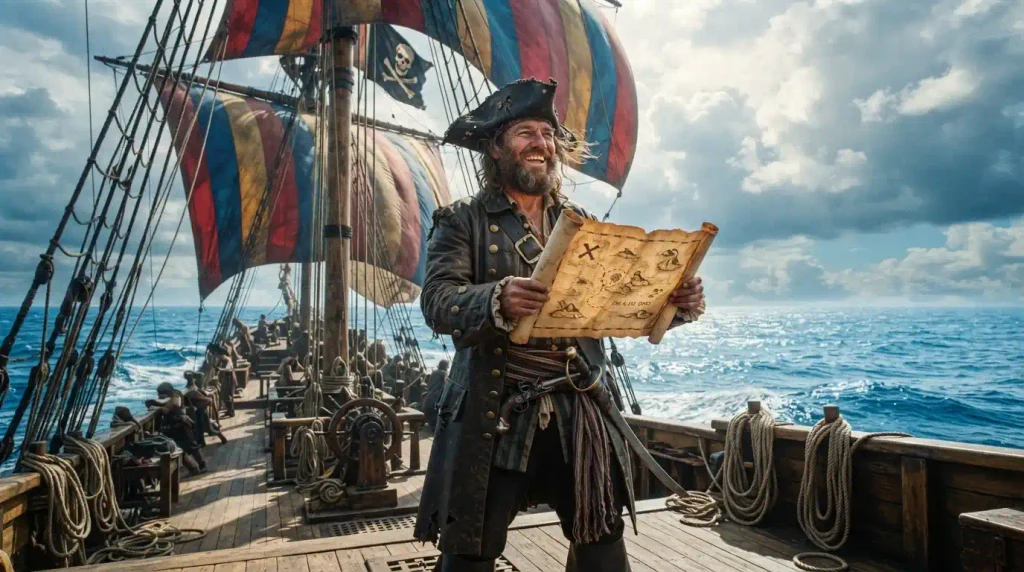
Accessories pull your entire costume together and give your character personality. Creating these items at home is a great craft project for kids before a party.
Cut an eye patch shape out of black felt or sturdy paper, then attach a piece of thin black elastic string. Fold black construction paper into a classic tri-corner hat, securing the folded edges with simple staples. Add a cardboard telescope wrapped in gold aluminum foil to complete your exploratory look.
10 MCQs
- What is a pirate traditionally associated with?
A) Sailing and treasure hunting
B) Farming
C) Mountain climbing
D) Ice skating - What type of ship is commonly associated with pirates?
A) Sailing ship
B) Submarine
C) Airplane
D) Train - What symbol is often associated with pirates?
A) Skull and crossbones
B) Red rose
C) Snowflake
D) Crown only - What do pirate stories often feature?
A) Hidden treasure
B) Space stations
C) Robot factories
D) Ski resorts - What might a fictional pirate use to navigate the sea?
A) A map and compass
B) A calculator
C) A telescope only
D) A thermometer - Which item is commonly shown in playful pirate costumes?
A) Eye patch
B) Swimming goggles
C) Baseball helmet
D) Winter scarf - What is a pirate treasure chest usually filled with in stories?
A) Gold and jewels
B) Vegetables
C) Books only
D) Shoes - Which phrase is famously connected with fictional pirates?
A) “Ahoy!”
B) “Checkmate!”
C) “Fore!”
D) “Goal!” - Where would a pirate adventure most likely take place?
A) On the open sea
B) In a shopping mall
C) On a ski slope
D) In a classroom - What makes a pirate character fun for children?
A) Adventure, treasure, and imagination
B) Office work
C) Homework
D) Cleaning chores
Answers
- A
- A
- A
- A
- A
- A
- A
- A
- A
- A
Frequently Asked Questions (FAQs)
What is a fun pirate?
A fun pirate is a lighthearted, pop-culture interpretation of classic sea rovers that focuses on adventurous storytelling, playful costumes, games, and humor. Rather than focusing on harsh historical realities, this theme emphasizes high-seas imagination, treasure hunts, and family-friendly entertainment for parties and educational activities.
How do I host a pirate party on a small budget?
You can host an affordable party by using DIY cardboard decorations, tea-stained paper maps, and closet clothes for costumes. Serve low-cost themed snacks like blue punch juice and pretzel stick ship masts while running simple games like plank balance walks or soft cannonball tosses.
Did pirates really bury their gold treasure on secret islands?
Burying gold treasure was actually extremely rare in real history because sea rovers preferred spending their earnings immediately on food, supplies, and entertainment. Captain William Kidd is one of the few historical figures known to have buried gold, which fueled the famous literary myth of buried island treasure maps.
What are some easy pirate riddles for kids’ treasure hunts?
Easy riddles use simple rhyming clues that point directly to familiar household objects or yard features. For example, “I have handles and doors and keep your food cold, look inside my main frame for your reward of pure gold” points kids directly to the kitchen refrigerator.
How can I make a pirate costume out of everyday clothing?
Create a fast costume by pairing a loose white shirt with dark rolled-up pants tucked into dark boots. Tie a red fabric sash around your waist, wrap a dark bandana over your head, and add a simple DIY black paper eye patch to finish the look easily.
What is the origin of International Talk Like a Pirate Day?
International Talk Like a Pirate Day was created in 1995 by two friends, John Baur and Mark Summers, as a lighthearted parody holiday. Celebrated every year on September 19th, it encourages people around the world to use sailor lingo, growl their “R”s, and enjoy high-seas humor together.
Conclusion
Embracing a fun pirate theme is one of the most enjoyable ways to unleash your creativity, bring people together, and spark genuine laughter. By blending simple DIY crafts, engaging riddles, playful slang, and real historical trivia, you can turn any ordinary day into an exciting sea adventure.
Whether you are planning a birthday party, organizing a treasure hunt, or simply practicing your best captain accent, the key is to keep things light and imaginative. Grab some brown paper, draw your own map, rally your trusty crew, and set sail toward your next great adventure today!

Asjad Ali is a passionate, fun, and entertainment enthusiast who enjoys discovering interesting, amusing, and engaging content from around the web. Through laughvista.com, Asjad shares lighthearted ideas, entertaining stories, fun facts, jokes, and enjoyable content designed to bring a little more laughter and positivity into everyday life. His goal is to create content that feels natural, relatable, and easy for everyone to enjoy.
With a genuine interest in fun and entertainment, Asjad Ali focuses on creating friendly content for readers of different ages and backgrounds. laughvista.com is built around the idea that a few moments of laughter can brighten anyone’s day. Whether readers are looking for something funny, interesting, or simply entertaining, Asjad aims to make every visit enjoyable, refreshing, and worth coming back to.