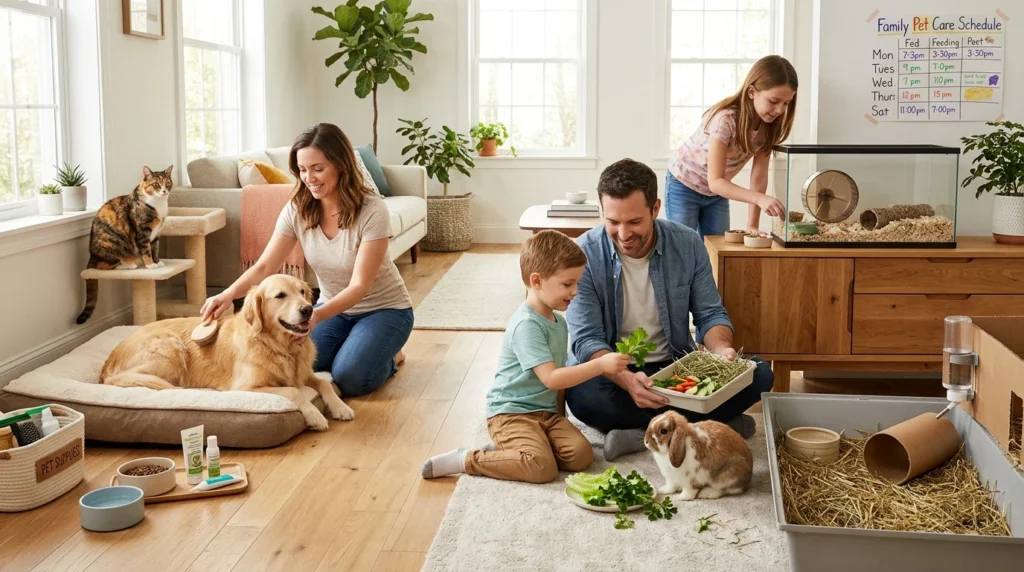
A fun pet lifestyle relies on rich physical play, engaging mental puzzles, and affectionate social bonding. By tailoring creative games, healthy treats, and novel environments to your pet’s instincts, you keep them happy, healthy, and deeply connected to your family every day.
Have you ever watched a dog zoom around the yard or caught a cat chasing a dust speck and wondered what makes them tick? Living with a fun pet brings pure delight, unexpected chuckles, and unconditional love into our daily lives.
With creative activities and engaging routines, your fun pet thrives mentally and physically. Let us explore everything you need to know to keep your companion entertained, healthy, and endlessly joyful.
Understanding What Makes a Fun Pet Thrive
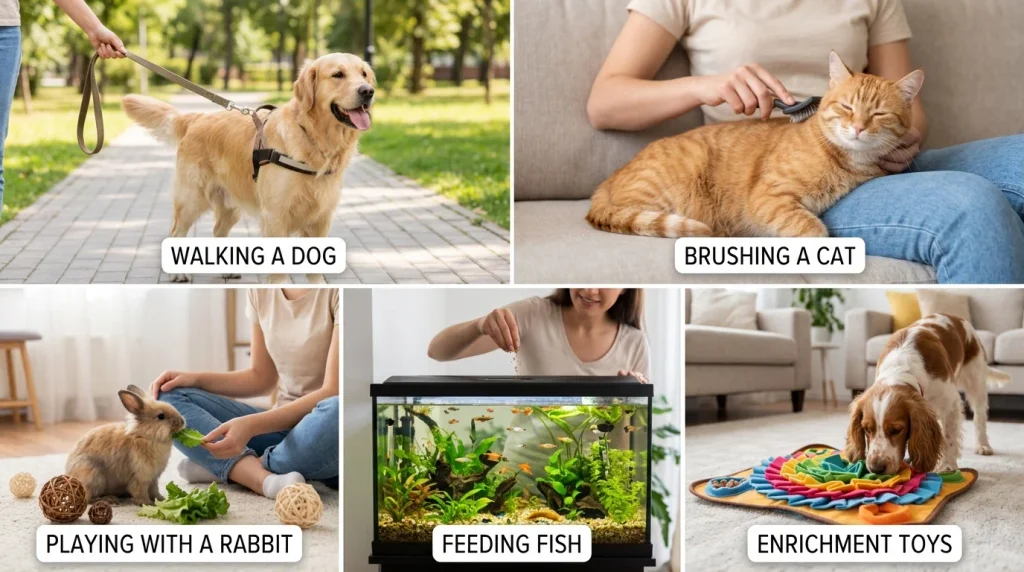
Every animal has unique traits that dictate how they interact with the world around them. Understanding these natural behaviors helps you design playtimes that feel genuinely exciting rather than repetitive.
The Role of Natural Instincts in Play
Animals carry instincts from their wild ancestors that shape how they prefer to play. Dogs love searching, chasing, and tugging because those actions mimic ancestral tracking and social behaviors.
Cats express their predatory instincts through stalking, pouncing, and swatting at fast-moving objects. When you tap into these natural drives, your fun pet becomes noticeably more enthusiastic during daily interactions.
Physical vs. Mental Stimulation
Physical exercise burns off physical energy, but mental stimulation prevents deep-seated boredom and anxiety. A long walk satisfies a dog’s legs, but sniffing out hidden kibble works their brain in an entirely different way.
Combining both forms of enrichment leads to a balanced, calm companion. Balanced pets sleep better, display fewer destructive habits, and interact more warmly with family members.
Recognizing Signs of Boredom
A bored companion often communicates their frustration through unwanted behaviors. Dogs might chew furniture, bark excessively, or dig holes in the yard.
Cats often scratch carpets, groom excessively, or knock items off tables when they lack engagement. Recognizing these subtle signs allows you to introduce fresh activities before bad habits set in.
Creative Indoor Games for Your Companion
Bad weather or busy schedules do not have to put play on hold. Indoor activities offer fantastic opportunities to keep your fun pet active and entertained inside the home.
Hide and Seek Adventures
Playing hide and seek is an incredible way to build focus and deepen your bond. Start by asking your companion to sit and stay in one room while you slip away into another space.
Call their name gently and reward them lavishly with praise or a tiny treat when they track you down. This game sharpens their listening skills while turning ordinary indoor spaces into an exciting playground.
The Shell Game for Curious Brains
The shell game tests memory and scent capabilities using simple household items. Place three light plastic cups upside down on the floor and hide a fragrant treat under one.
Shuffle the cups slowly while your companion watches closely. Encourage them to nudge the correct cup with their nose or paw to claim their delicious reward.
Indoor Obstacle Courses
You can build a safe agility course using couch cushions, rolled blankets, and sturdy cardboard boxes. Guide your companion over low cushions and under stable chairs using a favorite toy as a guide.
Keep obstacles low to prevent any accidental slips or injuries. This exercise builds balance, coordination, and confidence in a safe living room setting.
Outdoor Activities for High-Energy Days
Fresh air and open spaces open up endless possibilities for vigorous exercise and environmental exploration. Taking play outdoors refreshes both you and your loyal friend.
Interactive Fetch Variations
Standard fetch is great, but adding small twists keeps the game fresh and demanding. Try throwing a toy uphill to build rear leg strength or hiding the ball in tall grass to encourage scent work.
You can also ask for a quick sit or paw-shake before launching the toy. This simple practice reinforces obedience training right in the middle of high-energy play.
Exploring Scent Trails and Nature Walks
Sniffing is how animals read the daily neighborhood news. Instead of rushing through your daily walk, allow dedicated time for your companion to investigate novel scents along the pathway.
Explore new walking trails, local parks, or quiet forest paths to expose them to diverse sights and smells. These sensory journeys satisfy curiosity and leave your companion pleasantly tired.
Water Play and Splash Zones
Many animals adore splashing around on warm summer afternoons. Set up a shallow kiddie pool in your backyard or use a gentle garden sprinkler for play.
Always supervise water activities closely and provide non-slip surfaces around splash areas. Water play offers fantastic low-impact exercise that cools off energetic pets safely.
Essential Enrichment Tools and Toys
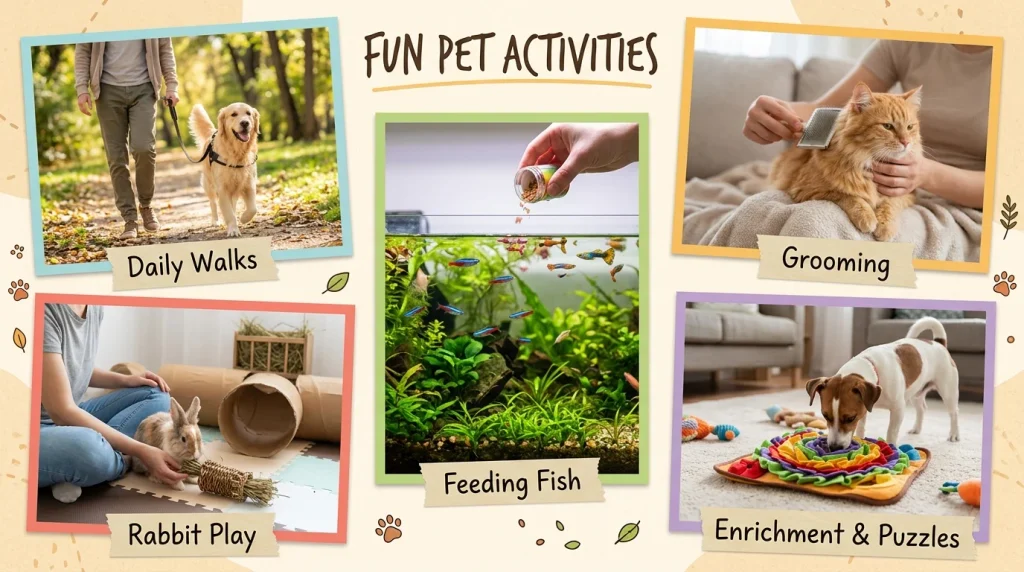
Selecting the right toys transforms simple play into meaningful enrichment. Quality items keep your fun pet engaged even when you are busy with work or household chores.
Puzzle Toys and Treat Dispensers
Puzzle toys require animals to solve a challenge to release hidden food. Rolling dispensers, sliding maze boards, and puzzle balls challenge your companion’s problem-solving skills.
Start with easy puzzle levels so your companion learns the mechanics without feeling frustrated. As they master the basics, increase the difficulty to keep their brain working hard.
DIY Toys from Everyday Household Items
You do not need expensive store-bought gadgets to create fantastic play items. An old cotton T-shirt knotted tightly into a rope makes a durable, washable tug toy.
Empty cardboard toilet paper tubes stuffed with hay or tiny treats provide instant foraging fun. Always supervise DIY toy usage to ensure your companion does not swallow loose threads or paper scraps.
Rotating Toys to Prevent Boredom
Leaving every single toy on the floor all day makes them lose their special appeal. Instead, keep a small selection active while storing the rest inside a closed closet.
Swap the available toys every week to make old items feel completely new and exciting again. This simple rotation strategy maintains high interest without spending extra money.
Building a Fun and Healthy Daily Routine
Consistency builds security and happiness in everyday life. Establishing a predictable routine ensures your fun pet receives optimal exercise, rest, and affection.
Balancing Activity and Rest
High-energy play must be balanced with plenty of quiet, restful downtime. Overstimulated animals can become irritable or overly reactive if they lack proper sleep.
Designate a quiet, cozy corner in your home where your companion can rest without interruptions. Respect their downtime so they recharge fully for the next play session.
Incorporating Training into Daily Play
Training sessions do not need to feel like strict classroom drills. Blend basic command practice—like sit, stay, and spin—directly into interactive fetch or tug games.
Rewarding quick responses with a toy throw makes learning feel like a rewarding game. This positive reinforcement approach builds enthusiastic obedience and mutual respect.
Adapting Play for Different Life Stages
Play styles must evolve as your companion grows from a playful juvenile into a gentle senior. Young animals require short, frequent bursts of energy to burn off excess stamina.
Older pets benefit from gentle, low-impact exercises that preserve joint flexibility without causing discomfort. Tailoring activities to age ensures safety, comfort, and ongoing happiness.
Socialization Strategies for Friendly Pets
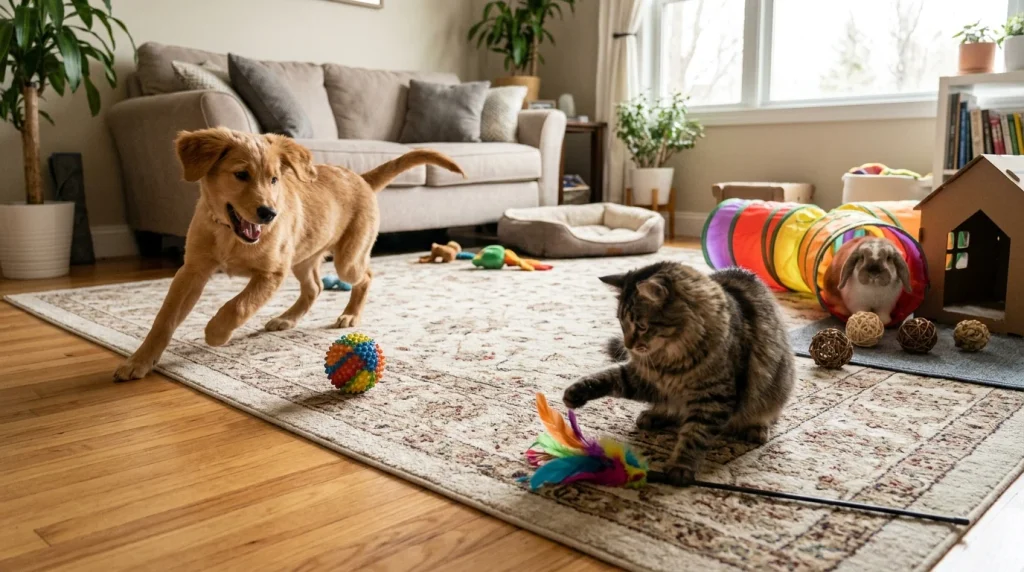
Socialization helps your companion feel confident and relaxed around new environments, people, and other animals. Thoughtful exposure prevents fear-based behaviors down the road.
Safe Group Play Practices
Organizing playdates with friendly, well-matched companions provides valuable social interaction. Always host initial meetings in neutral, fenced areas to avoid territorial behavior.
Monitor body language closely for signs of playfulness, such as relaxed tails and loose, bouncy movements. Break up high-arousal play frequently to give everyone a chance to cool down.
Introducing New Environments
Gradually introducing new surroundings prevents your companion from feeling overwhelmed. Start with quiet suburban streets before visiting busy outdoor cafes or crowded parks.
Offer small treats and quiet praise as they observe new sights, sounds, and smells calmly. Positive associations make every fresh environment feel safe and inviting.
Managing Overstimulation During Socialization
Sometimes bright lights, loud noises, or crowd movement prove too intense for a sensitive companion. Watch for subtle stress signs like lip licking, panting, yawning, or turning away.
If you spot these cues, calmly create distance from the stressor without making a fuss. Giving your companion space helps them regain composure and confidence safely.
Nutrition and Treats for Active Companions
Proper fuel supports active play and overall vitality. Using healthy food rewards reinforces good behavior while keeping your fun pet fit and healthy.
Choosing Healthy Training Rewards
Treats used during training sessions should be small, highly palatable, and easy to consume quickly. Tiny pieces of cooked chicken, lean turkey, or commercial micro-treats work brilliantly.
Keep treat portions tiny so you do not accidentally disrupt your companion’s balanced daily diet. The reward is about the flavor and timing, not the physical size of the morsel.
Hydration Needs During Play
Active play increases liquid loss, making constant access to fresh water critical. Always carry a portable water bottle and collapsible bowl during long walks or outdoor play.
Offer small water breaks frequently, especially during warm summer months or intense running games. Proper hydration protects kidney function and prevents exercise fatigue.
DIY Healthy Pet Treats
Creating homemade treats gives you complete control over ingredients and quality. You can mix plain canned pumpkin with rolled oats and bake small crisp biscuits at home.
For summer days, freeze low-sodium broth in ice cube trays for an enchanting, cooling lick treat. Simple, natural ingredients keep digestion smooth while delivering delightful flavors.
Creating Safe Spaces for Exploration
Safety is the foundation of any enjoyable activity. Preparing your living areas prevents accidental injuries during high-energy play.
Pet-Proofing Your Home and Yard
Inspect your home from your companion’s height to identify potential hazards. Secure loose electrical cords, store household cleaning chemicals in locked cabinets, and remove toxic plants.
Check backyard fencing for gaps, loose boards, or sharp wires that could cause harm. A secure environment allows your companion to play freely without constant restriction.
Selecting Safe and Non-Toxic Materials
Always check toy materials for non-toxic certifications before bringing them home. Avoid soft plastics that tear easily into small, swallowable pieces that cause blockages.
Inspect ropes regularly for fraying threads that could be ingested during vigorous chew sessions. Discard damaged toys immediately to maintain a safe play collection.
Creating Weather-Appropriate Play Spaces
Extreme cold or heat requires adjustments to keep play safe and comfortable. During hot summer months, restrict vigorous exercise to cool early mornings or late evenings.
In cold winter weather, keep outdoor sessions brief and protect sensitive paws from icy sidewalks and road salt. Indoor enrichment activities offer safe alternatives when weather turns severe.
Advanced Tricks and Brain Games
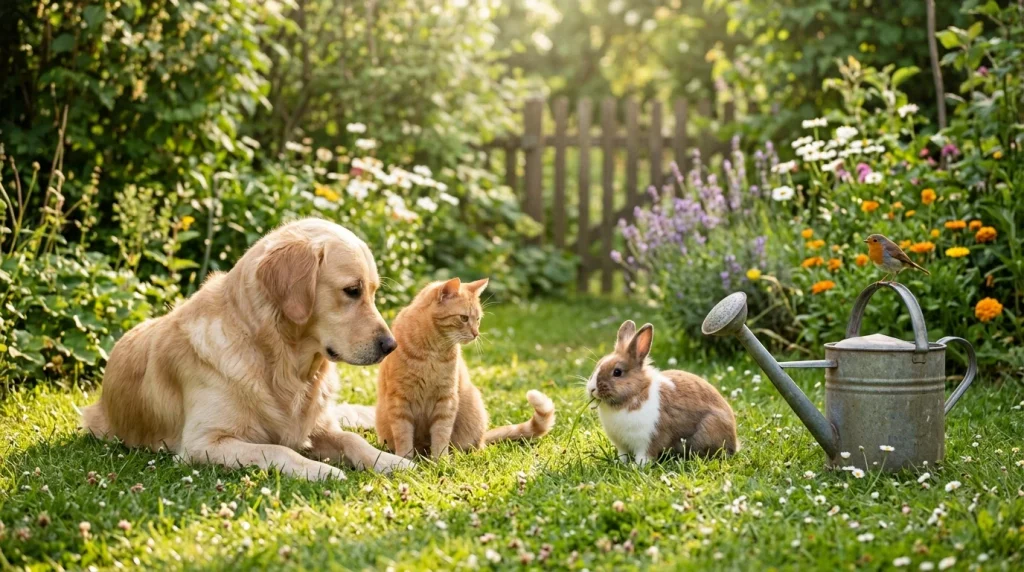
Once your companion masters basic commands, advanced tricks offer fantastic mental stimulation.
Teaching the “Tidy Up” Game
Teaching your companion to put their toys back into a storage basket is both impressive and useful. Start by rewarding them for dropping a toy directly over the open box.
Pair the action with a clear cue word like “tidy” or “basket” as they release the toy. With patient repetition, your fun pet learns to gather scattered toys after playtime finishes.
Scent Discrimination Work
Scent work utilizes an animal’s extraordinary nasal capabilities in a structured way. Hide a specific scented item—such as a birch-infused cloth or specific tea bag—inside a small box among empty ones.
Reward your companion generously the instant they signal the correct box with a nose touch or sit. This quiet activity burns tremendous mental energy while building intense concentration.
Complex Multi-Step Tricks
Combine single commands into smooth, multi-step trick routines. For example, teach your companion to walk to a mark, ring a service bell, and return to your side for a treat.
Break complex sequences down into tiny, achievable steps before chaining them together. Celebrating small successes keeps motivation high for both you and your talented friend.
MCQs
Test your knowledge on keeping your companion happy, active, and mentally engaged!
- What is a common example of a household pet?
- A) Lion
- B) Dog
- C) Tiger
- D) Wolf
- Which pet is known for purring when it is comfortable?
- A) Cat
- B) Parrot
- C) Hamster
- D) Turtle
- What do many pet dogs enjoy doing?
- A) Playing fetch
- B) Flying
- C) Climbing mountains
- D) Building nests
- Which pet is commonly kept in an aquarium?
- A) Rabbit
- B) Fish
- C) Dog
- D) Guinea pig
- What is an important responsibility of owning a pet?
- A) Ignoring it
- B) Providing proper care
- C) Keeping it hungry
- D) Never cleaning its space
- Which animal is often kept as a small indoor pet?
- A) Hamster
- B) Elephant
- C) Giraffe
- D) Zebra
- Why do people enjoy having pets?
- A) Pets can provide companionship
- B) Pets never need care
- C) Pets can replace all responsibilities
- D) Pets do not need food
- Which pet can commonly learn simple tricks and commands?
- A) Dog
- B) Goldfish
- C) Turtle
- D) Snail
- What should pets generally have access to?
- A) Clean water
- B) Only sweets
- C) No food
- D) Unsafe plants
- What can make time with a pet more enjoyable?
- A) Safe play and interaction
- B) Ignoring the pet
- C) Giving unsuitable food
- D) Keeping the pet uncomfortable
Answer Key
- B
- A
- A
- B
- B
- A
- A
- A
- A
- A
FAQs
How much daily play does a fun pet actually need?
Most active companions require between 30 and 90 minutes of daily activity, split between physical exercise and mental play. High-energy breeds or younger animals generally demand more activity than senior companions. Adjust session lengths based on age, health status, and personal energy levels.
Can indoor games replace daily outdoor walks?
Indoor games offer brilliant mental enrichment, but they cannot completely replace outdoor walks. Outdoor walks provide vital sensory exposure, physical conditioning, and environmental socialization that indoor games cannot match. Strive for a healthy balance of indoor play and structured outdoor exploration every day.
What should I do if my pet gets easily frustrated by puzzle toys?
Start with extremely simple puzzles where food rewards are instantly accessible with a single touch. Show your companion how the toy works by helping them move sliding parts or rolling the dispenser yourself. Gradually increase difficulty only after their confidence and understanding build up smoothly over time.
How do I stop my pet from getting overly mouthy during high-energy play?
Immediately pause the game and freeze movement whenever teeth touch skin or clothing accidentally. Redirect their energy toward an appropriate toy or chew item before resuming interaction calmly. Consistency teaches your companion that gentle play keeps the fun going while rough behavior ends play time.
Are homemade toys safe for energetic chewers?
Homemade toys can be safe under direct human supervision, but aggressive chewers require durable materials. Avoid thin plastics, small buttons, or loose strings that could be chewed off and swallowed easily. Regularly inspect homemade items for damage and toss out any frayed or torn parts right away.
How can I keep my companion entertained while I work from home?
Use long-lasting treat dispensers, frozen lick mats, or automated puzzle boards during your working hours. Set up a comfortable resting space near a window where they can watch outdoor activity peacefully. Schedule short, dedicated 5-minute play breaks between work tasks to keep them happy and content.
Conclusion
Creating a joyful, vibrant lifestyle for your fun pet comes down to understanding their unique needs, instincts, and personality. By blending physical exercise, brain-teasing puzzles, safe socialization, and positive reinforcement, you turn ordinary daily routines into rich adventures.
Remember to adapt activities as your companion ages, keep safety a top priority, and celebrate every small milestone together. With patience, creativity, and love, you will build an unbreakable bond that brings endless warmth, laughter, and companionship to your home for years to come.

Asjad Ali is a passionate, fun, and entertainment enthusiast who enjoys discovering interesting, amusing, and engaging content from around the web. Through laughvista.com, Asjad shares lighthearted ideas, entertaining stories, fun facts, jokes, and enjoyable content designed to bring a little more laughter and positivity into everyday life. His goal is to create content that feels natural, relatable, and easy for everyone to enjoy.
With a genuine interest in fun and entertainment, Asjad Ali focuses on creating friendly content for readers of different ages and backgrounds. laughvista.com is built around the idea that a few moments of laughter can brighten anyone’s day. Whether readers are looking for something funny, interesting, or simply entertaining, Asjad aims to make every visit enjoyable, refreshing, and worth coming back to.