

A fun packet is a curated collection of printable activities, puzzles, games, coloring pages, and creative prompts bound together in a single bundle. Designed to entertain, educate, and reduce screen time, a well-crafted fun packet keeps kids, students, or adults engaged during travel, rainy days, or event downtime.
Have you ever noticed how a simple stack of fresh activity pages can instantly turn boredom into pure excitement? Building a custom fun packet is one of the easiest ways to entertain kids, motivate students, or even bring smiles to adults during long trips.
Whether you are a parent fighting summer restlessness, a teacher preparing sub plans, or an event host looking for icebreakers, creating a tailored fun packet saves the day. You do not need fancy software or expensive supplies to pull together something truly memorable.
Let us walk through everything you need to know about designing, assembling, and using your own activity kits to keep hands busy and minds happy.
What Is a Fun Packet and Why Do You Need One?
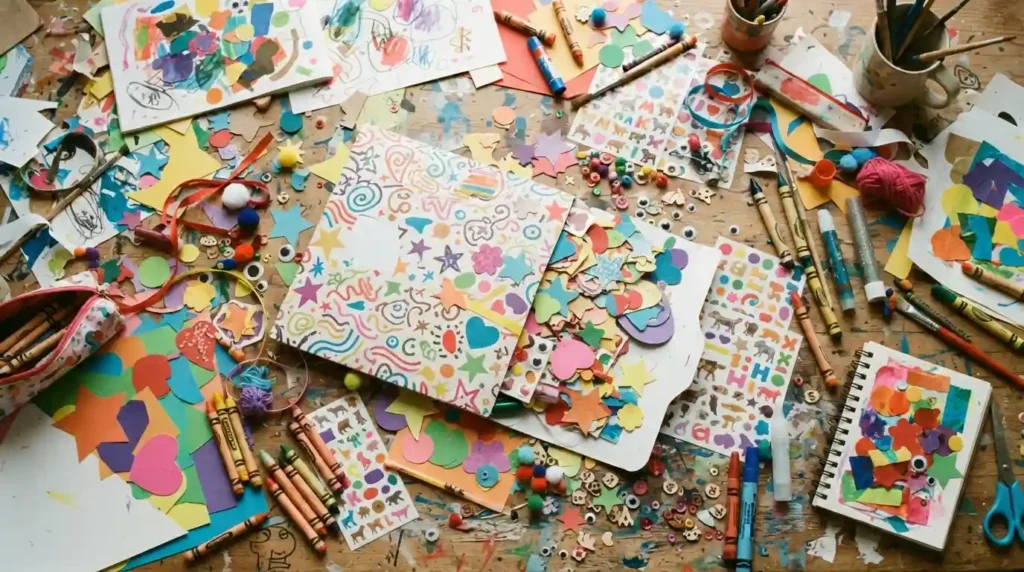
A fun packet is a physical or digital collection of hands-on printable sheets, brain teasers, art challenges, and games packaged together for easy access. Instead of handing over a digital screen when boredom strikes, you hand over a tangible bundle of creativity.
These activity bundles serve multiple purposes across different settings. Teachers use them for early finishers, parents rely on them for road trips, and party hosts pass them out as engaging favors.
The beauty of a custom bundle lies in flexibility. You control the theme, difficulty level, and variety, ensuring every page holds genuine interest for the person opening it.
Key Benefits of Tangible Activity Bundles
Paper-based activity bundles offer unique developmental and emotional benefits that digital apps simply cannot match. Physical interaction with paper and pencils sparks brain pathways tied to spatial reasoning and motor coordination.
- Screen-free distraction that reduces eye strain and sensory overload.
- Boosts fine motor skills, handwriting, and visual tracking through tactile play.
- Encourages independent problem-solving and focus without notifications or pop-up ads.
- Easy to carry anywhere without worrying about battery life or Wi-Fi connections.
When children complete physical pages, they gain a tangible sense of achievement. Placing a finished coloring sheet or solved maze into a completed pile provides immediate emotional satisfaction.
Core Elements of an Engaging Fun Packet
The secret to a successful bundle is variety. If every page looks identical, readers lose interest quickly. Mixing different challenge types keeps energy high from the first page to the last.
Puzzles and Brain Teasers
Brain games stimulate logical thinking while keeping players entertained. Including a balance of easy and challenging puzzles prevents frustration while rewarding effort.
Word searches remain a classic staple for all age groups. They strengthen vocabulary, improve letter recognition, and provide a relaxing rhythm as players circle hidden words.
Crossword puzzles add an educational touch by testing general knowledge and spelling. For younger readers, picture-clue crosswords work wonderfully as gentle step-up challenges.
Sudoku and logic grids offer numbers-based fun without requiring math skills. These grid puzzles teach deductive reasoning, pattern recognition, and patient focus step-by-step.
Creative Art and Coloring Pages
Creative sections give the brain a break from intense problem-solving and allow personal expression to take center stage. Art activities accommodate diverse skill levels naturally.
Standard coloring pages featuring wide outlines work best for younger children developing pencil grip. Detailed geometric mandalas or intricate landscapes suit older kids and adults seeking stress relief.
Symmetry drawing exercises invite players to complete the missing half of an image using grid lines. This simple activity builds spatial awareness while teaching visual balance.
Step-by-step doodle guides break complex animals or characters into basic geometric shapes. Beginners learn that drawing a cartoon dragon starts with simple circles and ovals.
Interactive Games and Challenges
Single-player games keep quiet time productive, while multi-player pages encourage spontaneous social connection. Adding interactive sheets turns your bundle into a shared experience.
- Tic-Tac-Toe grids for quick, casual competitive matches between friends.
- Dots and Boxes pages that require strategic line placement to claim territory.
- Scavenger hunt checklists tailored for backyards, car rides, or household rooms.
- Would You Rather prompt sheets that spark hilarious family conversations.
Mazes offer immediate satisfaction through clear physical paths. Simple line tracks suit toddlers, while complex multi-level lab mazes challenge teenagers and adults.
Crafting Theme-Based Packets for Maximum Appeal
Choosing a central theme transforms random activity pages into a cohesive adventure. Themes create anticipation and help you curate matching puzzles, graphics, and trivia smoothly.
Seasonal and Holiday Themes
Holiday spirit naturally boosts excitement levels for activity kits. Spring bundles can highlight garden word searches, flower mazes, and rainy-day scavenger hunts.
Autumn kits thrive on pumpkin patch word games, spooky maze paths, and cozy coloring scenes. Winter bundles shine with snowflake symmetry drawing, hot cocoa recipes, and holiday trivia games.
Summer vacation kits focus on road trips, beach bingo, and outdoor observational challenges that celebrate sunny weather.
Educational and Learning Themes
Learning feels like play when integrated into a well-designed fun packet. Space exploration themes can feature planet crosswords, rocket ship mazes, and constellation matching games.
Ocean life themes let kids count hidden sea creatures in hidden-picture puzzles while learning fascinating shark facts on trivia sheets.
Dinosaur discovery kits combine fossil decoding sheets, prehistoric dot-to-dots, and carnivore versus herbivore classification challenges.
Travel and Road Trip Themes
Long travel hours vanish quickly when passengers have dedicated activity bundles within reach. Travel themes should emphasize games that do not require small loose parts.
License plate bingo challenges passengers to spot plates from different states or provinces during long highway drives.
I-Spy car ride sheets feature visual checklists of bridges, red barns, construction trucks, and rest stops to keep eyes focused outside windows.
Rest stop challenge pages offer quick physical movement prompts, like doing ten jumping jacks or running a mini lap, to release built-up car energy safely.
Designing a Fun Packet for Different Age Groups

A single design approach does not fit every audience. Tailoring content difficulty and visual presentation ensures maximum engagement without overwhelming the reader.
Toddlers and Preschoolers (Ages 2-4)
Young toddlers need bold visual elements, thick tracing lines, and minimal text instructions. Focus heavily on sensory discovery and basic shape recognition.
Use extra-large coloring spaces that accommodate broad crayon strokes without strict boundaries. Include simple line-tracing pages that guide bee paths toward bright flowers.
Matching activities should rely on clear visual pictures rather than words. For example, match big animals to small animals or match identical color spots.
Early Elementary Kids (Ages 5-8)
Children in early elementary grades enjoy showing off their reading, counting, and problem-solving skills independently. They thrive on structured variety and playful humor.
Incorporate basic word searches with horizontal and vertical word placements only. Diagonal and backward hidden words can cause unnecessary confusion at this stage.
Include simple maze challenges, simple word scrambles, connect-the-dots up to fifty, and beginner fill-in-the-blank stories that prompt silly answers.
Add jokes and riddles at the bottom of pages to keep reading lighthearted and entertaining.
Tweens and Teens (Ages 9-15)
Older kids desire complex challenges that respect their intelligence. Avoid childish graphics and focus instead on intricate designs, pop culture, and sophisticated logic.
Offer advanced word searches featuring diagonal and backward words across dense grids. Provide medium-to-hard Sudoku puzzles, cryptograms, and logic grid puzzles.
Include creative writing prompts, such as designing a futuristic app concept or writing an alternate ending to a popular movie.
Add complex doodle challenges and detailed mandala coloring sheets that double as relaxing stress relievers during study breaks.
Adults and older people
Adults use activity kits for mindfulness, cognitive health, and quiet relaxation. Clean layouts, clear typography, and mature themes work best here.
Incorporate memory recall games, complex crossword puzzles, and high-level trivia sheets covering history, cinema, and global geography.
Include reflective journaling prompts, relaxing nature coloring scenes, and intricate brain teasers that sharpen cognitive flexibility.
For senior audiences, print pages using larger font sizes and high-contrast lines to ensure comfortable reading without eye strain.
Step-by-Step Guide to Assembling Your Packet
Creating a professional-looking bundle at home takes only a few straightforward steps. With basic supplies, you can assemble durable kits in less than an hour.
Step 1: Curate Your Content
Gather or design your activity sheets thoughtfully. Aim for a balanced ratio of 40% puzzles, 30% creative art, 20% interactive games, and 10% trivia or reading.
Ensure all printable pages share similar margin settings so content prints cleanly without cutting off edges.
Step 2: Organize the Page Order
Sequence the pages intentionally to maintain continuous interest. Avoid placing three word searches right next to each other.
Start with an exciting cover page, follow with a light coloring sheet, insert a puzzle challenge, and then add an interactive game.
Alternate between high-focus logic tasks and low-focus creative pages to give the reader natural mental rests.
Step 3: Choose Your Binding Method
Select a binding style that matches your budget and how the packet will be used. The right binding keeps pages organized and secure.
- Staple top-left corners for quick, casual single-use classroom packs.
- Use two-prong paper folders with pockets for multi-day travel trips.
- Slide pages into plastic binder sleeves inside a three-ring binder for reusable fun.
- Bind edges with colorful wash tape or spiral coils for a polished book feel.
If creating reusable binders, provide dry-erase markers so players can wipe pages clean and solve them repeatedly.
Step 4: Add the Finishing Touches
A great presentation builds instant excitement before the bundle even opens. Include a colorful cover sheet with a dedicated name box.
Attach a small zippered pouch containing sharpened pencils, colored crayons, an eraser, and a small ruler directly to the binding.
Adding a sheet of fun stickers or a completion certificate at the very back gives players a delightful reward to work toward.
How to Create Digital and Printable Activity Files
Designing your own printable pages gives you complete control over style and content. Modern digital tools make custom creation simpler than ever.
Layout Software Basics
Free graphic design tools provide ready-made templates sized perfectly for standard letter paper. Set up your document dimensions to eight and a half by eleven inches.
Maintain consistent margins around every edge to prevent printer clipping during batch printing.
Use easy-to-read sans-serif fonts for instructions and bold headings to separate distinct activity zones clearly.
Generating Original Puzzles
Free online generator tools let you input custom word lists to build original word searches and crosswords in seconds.
Type in family names, pet names, favorite foods, or local landmark names to personalize the experience deeply for the reader.
Double-check your puzzle answer keys before printing to confirm that every listed word actually appears inside the final letter grid.
Copyright and Sourcing Guidelines
When downloading public activity sheets from the internet, always verify personal or commercial usage licenses. Respect creator copyrights by using original content or freely licensed materials.
Support independent artists by purchasing digital printable bundles from craft marketplaces when you need professional illustration graphics quickly.
Creative Uses for Activity Bundles Across Events
Activity packets extend far beyond basic rainy day home use. Incorporating them into special occasions elevates guest experiences effortlessly.
Birthday Parties and Celebrations
Hand out themed activity kits as custom party favors that parents actually appreciate receiving instead of cheap plastic toys.
Match puzzle themes directly to party topics, whether superhero adventures, magic kingdoms, or outer space exploration.
Set up a dedicated quiet corner table with giant activity rolls or individual packets where overwhelmed guests can recharge peacefully.
Classrooms and Educational Hubs
Teachers rely on self-guided activity kits to manage early finishers while supporting small-group instruction with other students.
Use thematic packets as seasonal warm-ups during holiday weeks when standard routines shift slightly.
Keep emergency substitute teacher packets stored safely in desk drawers, filled with self-explanatory puzzles that keep classes calm and focused.
Medical Waiting Rooms and Travel Hubs
Long waits in medical offices or airport terminals test patience quickly. Providing compact activity packs converts anxious waiting time into calm focus.
Laminated activity sheets combined with dry-erase markers allow waiting rooms to sanitize and reuse materials cleanly between different visitors.
Keep small mini-packets stored inside car glove boxes or tote bags so you are always prepared for unexpected delays.
Reusable vs. Disposable Packets
Choosing between one-time disposable sheets and reusable laminated setups depends on your budget, environment, and long-term goals.
Disposable paper packets are inexpensive to print, lightweight to carry, and allow users to keep their completed drawings permanently. Kids can cut out completed crafts, glue pages into scrapbooks, or hang favorite coloring sheets directly on refrigerator doors.
Reusable packets require a higher initial investment in laminating sheets or clear plastic binder pockets. However, pairing them with dry-erase markers allows multiple children to enjoy the exact same activity set for years, making them ideal for classrooms, carpools, and waiting rooms.
For the best balance, build a hybrid binder. Place permanent activity sheets like mazes and logic grids behind plastic sleeves, but insert loose paper coloring pages at the back for kids to keep.
MCQs
- What is the primary purpose of adding a variety of activity types to a fun packet?
A. To make the packet look thicker B. To keep reader energy high and prevent boredom C. To confuse the reader with changing rules D. To use up extra ink colors - Which puzzle type relies primarily on deductive logic rather than math calculation?
A. Word Search B. Sudoku C. Maze D. Symmetry Drawing - For toddlers aged 2-4, what design element is most critical on printable sheets?
A. Advanced vocabulary words B. Small, detailed line graphics C. Extra-large spaces and thick outlines D. Complex grid instructions - What ratio of puzzles is generally recommended for a balanced activity bundle?
A. 10% B. 40% C. 80% D. 100% - Which binding method is ideal for creating a reusable activity kit with dry-erase markers?
A. Top-left single staple B. Wash tape edge seal C. Three-ring binder with plastic sleeves D. Direct paper glue binding - Why are license plate bingo and visual checklists popular in travel-themed packets?
A. They require passengers to use markers constantly B. They keep eyes focused outside windows and interact with the trip C. They take five hours to complete a single page D. They require heavy math calculations - What is the standard document size used when designing printable activity pages in North America?
A. 5 x 7 inches B. 8.5 x 11 inches C. 11 x 17 inches D. 4 x 6 inches
Answer Key
- B
- B
- C
- B
- C
- B
- B
FAQs
What makes a fun packet engaging for all ages?
A great bundle combines variety, clear layout design, and balanced difficulty levels. Mixing brain teasers, art prompts, and games keeps readers curious while ensuring they never feel overwhelmed by continuous hard tasks.
How many pages should a typical fun packet contain?
A standard bundle usually ranges from eight to thirty pages based on target age. Younger children prefer shorter sets of ten pages, while older kids and adults enjoy comprehensive packs of twenty to thirty pages.
Can I build a fun packet without spending money?
Yes, you can easily create complete bundles using free online puzzle generators and public-domain coloring pages. Print them using basic home printer paper and secure pages together with a simple corner staple.
How do I store activity packets for long road trips?
Store physical bundles inside sturdy zip-top bags or rigid folders with attached pencil pouches. This keeps crayons, erasers, and loose activity sheets organized neatly inside car seat pockets without cluttering floorboards.
Are printable activity kits good for educational learning?
Printable kits reinforce spelling, math logic, spatial reasoning, and fine motor skills through play. Kids absorb educational concepts smoothly because activities feel like entertaining games rather than rigid classroom assignments.
What supplies should I include alongside a printed activity pack?
Include basic writing tools like sharpened pencils, colored pencils, erasers, and a small sharpener. Adding colorful stickers, dry-erase markers, or small rulers turns standard paper packs into complete portable play stations.
Conclusion
Creating a custom fun packet brings creativity, joy, and quiet focus to any situation. By combining puzzles, art, games, and tailored themes, you transform basic sheets of paper into a memorable activity experience.
Whether you are preparing for a long road trip, organizing classroom downtime, or hosting a family party, personalized bundles satisfy curiosity while keeping hands delightfully busy. You do not need complex tools or large budgets to make something extraordinary.
Gather your favorite puzzle concepts, print out a fresh collection of pages, and assemble your custom fun packet today to spark endless smiles and hands-on fun!

Asjad Ali is a passionate, fun, and entertainment enthusiast who enjoys discovering interesting, amusing, and engaging content from around the web. Through laughvista.com, Asjad shares lighthearted ideas, entertaining stories, fun facts, jokes, and enjoyable content designed to bring a little more laughter and positivity into everyday life. His goal is to create content that feels natural, relatable, and easy for everyone to enjoy.
With a genuine interest in fun and entertainment, Asjad Ali focuses on creating friendly content for readers of different ages and backgrounds. laughvista.com is built around the idea that a few moments of laughter can brighten anyone’s day. Whether readers are looking for something funny, interesting, or simply entertaining, Asjad aims to make every visit enjoyable, refreshing, and worth coming back to.