
Understanding fun guo starts with exploring Chinese fruit culture, where “guo” means fruit or edible crop. From sweet dragon fruit and juicy lychees to savory stuffed rolls like fun guo, learning about these traditional foods brings exciting new flavors, rich history, and healthy snacking options right to your kitchen table.
Have you ever bitten into a piece of foreign fruit and wondered about the fascinating culture behind its name? Exploring fun guo opens up a wonderful world of vibrant flavors, unique traditions, and joyful culinary experiences.
Whether you are curious about sweet tropical fruits or delicious dim sum treats, learning about fun guo makes trying traditional Asian foods an easy, delightful adventure.
Let us explore the origins, health perks, cooking secrets, and surprising cultural details behind these wonderful treats!
Understanding Fun Guo: What Does It Really Mean?

To truly appreciate fun guo, it helps to understand the simple language roots behind the name. In Mandarin and Cantonese Chinese, the word “guo” broadly refers to fruit, seeds, or wrapped treats filled with delicious ingredients.
When people talk about fun guo, they are often referring to two exciting food categories. The first involves delicious tropical fruits that bring pure fun and sweetness to your daily diet.
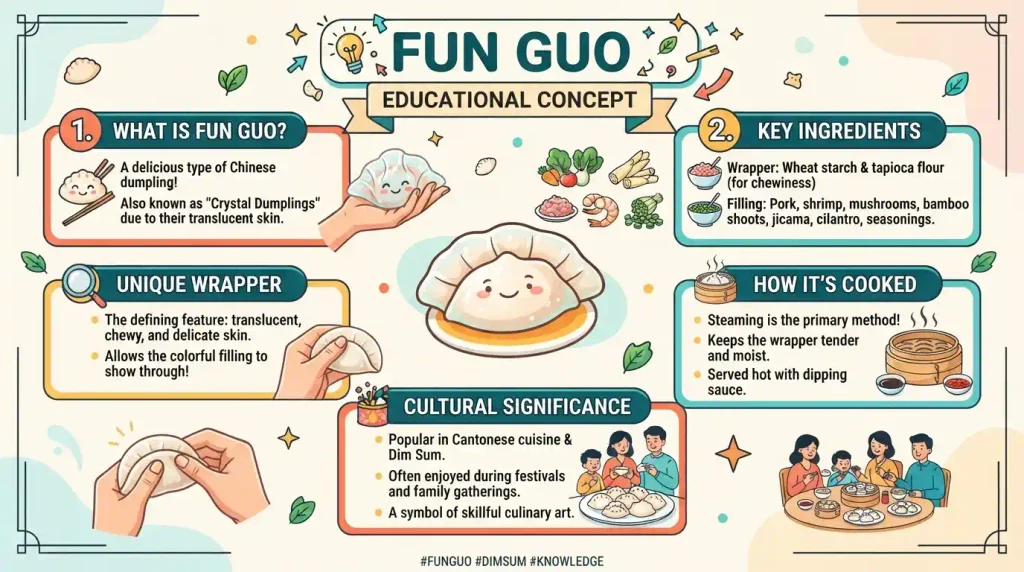
The second category refers to famous Cantonese steamed dumplings wrapped in delicate, translucent rice starch wrappers. Both versions bring immense joy to food lovers across the globe.
The Linguistic Roots of Guo
Language tells a wonderful story about how food traditions travel across borders. The word “guo” appears in dozens of common fruit names like apple, dragon fruit, and mango.
When paired with words that mean “fun” or “sweet,” it highlights foods that bring genuine happiness to social gatherings. It transforms ordinary snacking into a celebratory ritual shared among family and friends.
Fruit Culture vs. Dim Sum Delicacies
It is easy for beginners to wonder whether they are reading about fresh orchard fruits or savory dim sum dishes. Both uses are completely authentic and widely enjoyed in Asian gastronomy.
- Fresh fruit varieties highlight natural sugars, hydrating juices, and bright colors.
- Savory dim sum rolls feature seasoned fillings wrapped inside translucent rice flour dough.
- Both styles emphasize freshness, balance, and visual appeal on the dining table.
Surprising Health Benefits of Traditional Asian Fruits
Eating fresh fruit offers far more than just a sweet burst of flavor on a hot afternoon. Incorporating unique Asian fruit varieties into your weekly menu delivers a huge boost of essential nutrients.
Natural Hydration and Electrolytes
Many tropical fruits contain high water content, making them perfect for natural hydration after light exercise. Instead of drinking artificial sports beverages, snacking on fresh melon or dragon fruit restores vital minerals effortlessly.
Their natural sugars digest smoothly, providing steady energy without causing sudden blood sugar crashes. That makes them a fantastic afternoon pick-me-up for busy workers and active kids.
Vitamin C and Immune Support
Citrus fruits and foreign berries found across Asian markets pack impressive amounts of Vitamin C. This vital nutrient helps strengthen your immune system, promotes healthy skin collagen, and repairs daily cell wear.
Lychees and Longans
These small, translucent fruits offer rich sweetness alongside powerful antioxidants. Eating a handful provides a big portion of your daily recommended Vitamin C target.
Pomelos
Pomelos act as giant, mild grapefruits filled with juicy vesicles. They provide dietary fiber that supports smooth digestive health while keeping your heart happy.
Exploring Popular Fruit Varieties in the Guo Family

Stepping into an Asian market reveals an incredible spectrum of shapes, aromas, and vibrant colors. Every fruit carries its own distinct personality and flavor profile.
Dragon Fruit: The Visual Showstopper
Dragon fruit captivates buyers instantly with its neon pink skin and leafy green scales. Inside, you discover speckled white or deep crimson flesh dotted with tiny, edible black seeds.
The flavor stays light and subtle, reminiscent of a mild kiwi crossed with a crisp pear. It serves as a stunning base for smoothie bowls, fruit salads, and colorful party platters.
Monk Fruit: Nature’s Zero-Calorie Sweetener
Luo Han Guo, commonly known as monk fruit, has taken the health world by storm as a natural sweetener. Buddhist monks originally cultivated this small, round gourd centuries ago in quiet mountain valleys.
Extracted monk fruit sweetener contains zero calories and zero net carbohydrates, making it a dream ingredient for low-sugar baking. It tastes significantly sweeter than refined sugar without leaving a harsh chemical aftertaste.
Passion Fruit: The Tropical Flavor Punch
Bai Xiang Guo translates literally to “hundred-fragrance fruit” due to its incredible tropical aroma. Cutting open a wrinkled purple shell reveals a bright yellow pulp bursting with aromatic flavor.
Scooping this pulp over vanilla ice cream or stirring it into iced tea instantly elevates simple snacks into gourmet treats. It adds a pleasant tartness that balances rich desserts beautifully.
The Art of Savory Fun Guo Dumplings

Shifting from sweet orchard trees to steaming bamboo baskets brings us to the savory side of fun guo. In Cantonese cuisine, Chaozhou-style fun guo stands out as a beloved dim sum favorite.
What Goes Inside a Classic Savory Dumpling?
Creating the perfect savory dumpling requires a harmonious blend of textures and savory seasonings. Master chefs balance crunchy, tender, and nutty ingredients in every small bite.
- Tender minced pork or chicken provides a rich, savory base.
- Chopped jicama or bamboo shoots add a satisfying, fresh crunch.
- Toasted peanuts give the filling a warm, nutty flavor.
- Dried shrimp and shiitake mushrooms deliver deep umami flavor notes.
The Secret to the Translucent Wrapper
The signature feature of authentic Chaozhou dumplings is their crystal-clear, chewy wrapper. Chefs achieve this unique look by blending wheat starch with tapioca flour or sweet potato starch.
When steamed inside bamboo baskets, the dough turns completely see-through, showing off the colorful filling underneath. Mastering this delicate dough takes practice, but the visual reward is truly spectacular.
How to Select and Store Fresh Asian Fruits at Home
Shopping for foreign fruits can feel a bit intimidating if you do not know what visual cues to look for. Following a few simple guidelines helps ensure you always bring home peak-quality produce.
Checking for Ripeness Without Damage
Press gently on the outer skin using the flat pad of your thumb rather than your fingernails. A ripe fruit should yield slightly to gentle pressure without feeling mushy or soft.
Sniff the stem end of the fruit whenever possible. Ripe tropical produce almost always emits a sweet, pleasant fragrance near the base when it reaches prime eating condition.
Proper Storage Methods for Maximum Shelf Life
Storing your fruit properly prevents premature spoiling and keeps flavors vibrant for days. Different varieties require different temperature environments to stay fresh.
Countertop Ripening
Keep unripe mangoes, dragon fruit, and papayas at room temperature out of direct sunlight. Placing them in a breathable paper bag speeds up natural ripening gently.
Refrigerator Preservation
Once fruits reach ideal softness, transfer them to your refrigerator’s crisper drawer. Cold temperatures slow down natural ripening, giving you several extra days to enjoy your sweet treats.
Fun Ways to Prepare and Serve Fruit for Parties
Serving fresh fruit does not have to mean slapping plain slices onto a boring paper plate. Creative presentation turns simple snacks into memorable visual centerpieces.
Creative Fruit Skewers and Platter Ideas
Thread colorful cubes of dragon fruit, mango, and kiwi onto wooden skewers for easy, mess-free party finger foods. Alternate bright colors to make the platter pop visually.
Drizzle a little fresh lime juice over the fruit skewers right before serving. The citrus acidity brightens natural fruit flavors while keeping light-colored slices from browning on the table.
Refreshing Homemade Fruit Teas
Skip sugar-laden store sodas by brewing custom fruit teas right in your kitchen. Muddle fresh passion fruit pulp and crushed mango cubes in the bottom of a tall glass.
Pour chilled green tea or jasmine tea over the fruit base and add plenty of ice cubes. Garnish with fresh mint leaves for a restaurant-quality drink that keeps you cool all afternoon.
MCQs
Test your knowledge of fun guo, fruit culture, and dumpling secrets with these multiple-choice questions.
1. What is the main purpose of an informative “fun guo” topic?
A) To provide useful information
B) To sell products
C) To tell a fictional story
D) To create a recipe
2. Which element makes educational content more engaging?
A) Confusing language
B) Visuals and interesting facts
C) Very long paragraphs
D) Unrelated information
3. What should informative content usually be based on?
A) Random guesses
B) Reliable information
C) Rumors
D) Fiction only
4. Which format can present “fun guo” facts clearly?
A) Infographic
B) Blank page
C) Unlabeled image
D) Empty chart
5. Why are headings useful in an informative article?
A) They organize the content
B) They hide information
C) They make text harder to read
D) They replace all paragraphs
6. Which visual element can help explain information quickly?
A) Infographic
B) Empty background
C) Random decoration
D) Unrelated photograph
7. What type of language is best for educational content?
A) Clear and simple
B) Extremely confusing
C) Unrelated slang
D) Incomplete sentences
8. Why should facts be checked before publishing?
A) To improve accuracy
B) To make the article longer
C) To add more advertisements
D) To change the topic
9. Which feature can make a “fun guo” page more attractive?
A) Colorful visuals and organized facts
B) Repeated sentences
C) Missing headings
D) Unreadable text
10. What is the best way to combine “fun” and informative content?
A) Use interesting facts with engaging visuals
B) Remove all information
C) Use only decorative images
D) Write unrelated content
Answers
- A
- B
- B
- A
- A
- A
- A
- A
- A
- A
FAQs
What is the main difference between sweet and savory fun guo?
Sweet varieties refer to natural fresh fruits like dragon fruit or mangoes enjoyed as healthy snacks. Savory versions are Cantonese dim sum dumplings stuffed with seasoned meats, vegetables, and peanuts wrapped in translucent starch dough.
Is dragon fruit safe to eat every day?
Yes, dragon fruit is extremely safe, healthy, and low in calories for daily consumption. It provides helpful dietary fiber, essential Vitamin C, and natural antioxidants that support smooth digestion and overall wellness.
Can I make translucent dim sum dumplings at home without special equipment?
Yes, you can easily make translucent dumplings at home using basic kitchen tools. You only need a mixing bowl, a rolling pin, wheat starch, tapioca flour, and a standard metal or bamboo steamer basket.
How do I store monk fruit sweetener after opening the package?
Store monk fruit sweetener in a cool, dry pantry inside an airtight container. Keeping moisture out prevents the powder or granules from clumping together, keeping it fresh for up to two full years.
What does traditional Chaozhou fun guo taste like?
Chaozhou dumplings offer a delightful balance of savory, nutty, and aromatic flavors. The filling combines tender meat with crunchy vegetables and toasted peanuts, all held together inside a soft, chewy starch wrapper.
Are foreign Asian fruits difficult to digest for beginners?
No, most foreign Asian fruits are very gentle on the stomach because they contain high water content and natural enzymes. Starting with mild choices like dragon fruit or pear ensures a smooth digestive transition.
Conclusion
Exploring the world of fun guo opens up an exciting blend of sweet tropical fruits and savory culinary traditions. From vibrant dragon fruit bowls to delicate translucent dumplings, these foods bring incredible variety and joy to any table.
Incorporating new fruits into your routine boosts your daily nutrient intake while making healthy snacking genuinely fun. Meanwhile, trying handmade dim sum recipes connects you with centuries of rich culinary craftsmanship.
Gather a few new ingredients from your local Asian market and start experimenting today. Share these delicious flavors with your family and enjoy every single bite!

Asjad Ali is a passionate, fun, and entertainment enthusiast who enjoys discovering interesting, amusing, and engaging content from around the web. Through laughvista.com, Asjad shares lighthearted ideas, entertaining stories, fun facts, jokes, and enjoyable content designed to bring a little more laughter and positivity into everyday life. His goal is to create content that feels natural, relatable, and easy for everyone to enjoy.
With a genuine interest in fun and entertainment, Asjad Ali focuses on creating friendly content for readers of different ages and backgrounds. laughvista.com is built around the idea that a few moments of laughter can brighten anyone’s day. Whether readers are looking for something funny, interesting, or simply entertaining, Asjad aims to make every visit enjoyable, refreshing, and worth coming back to.