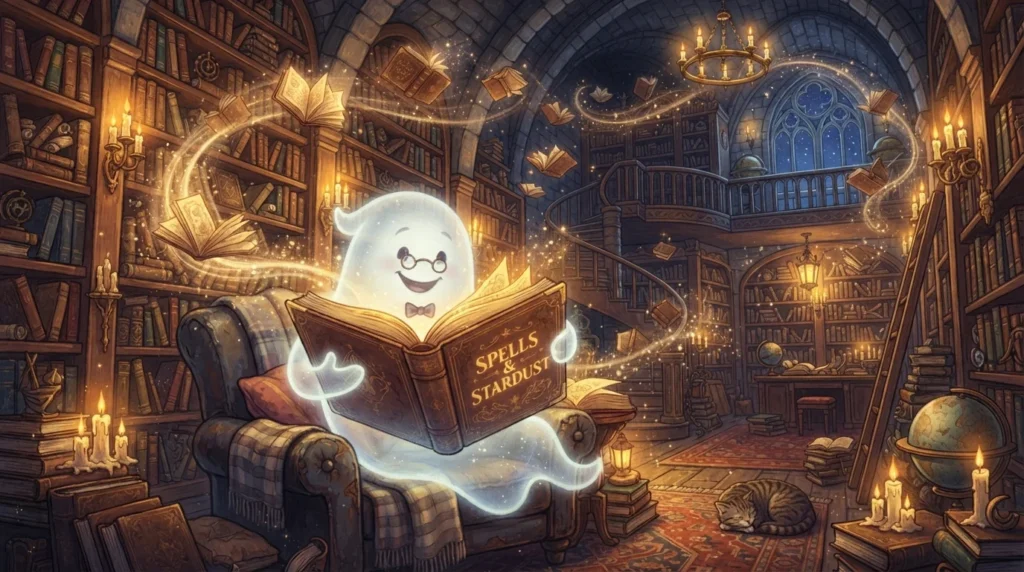
A fun ghost refers to a playful, harmless, or benign spirit from folklore, pop culture, and historical ghost stories. Unlike scary phantoms meant to terrify, these cheerful specters bring humor, harmless mischief, and whimsical entertainment to ghost stories, cozy legends, and popular media across the globe.
Have you ever wondered if phantom encounters could actually be cheerful instead of chilling? When people hear ghost stories, they usually imagine dark hallways, scary whispers, and eerie shadows.
A fun ghost completely turns those old frightful tropes upside down. These playful spirits prefer lighthearted mischief, silly antics, and helping living folks rather than giving them nightmare-inducing scares.
Let us explore the delightful universe of friendly phantoms, playful haunted histories, and cheerful specters that make supernatural tales genuinely entertaining.
Understanding the Concept of a Playful Phantom
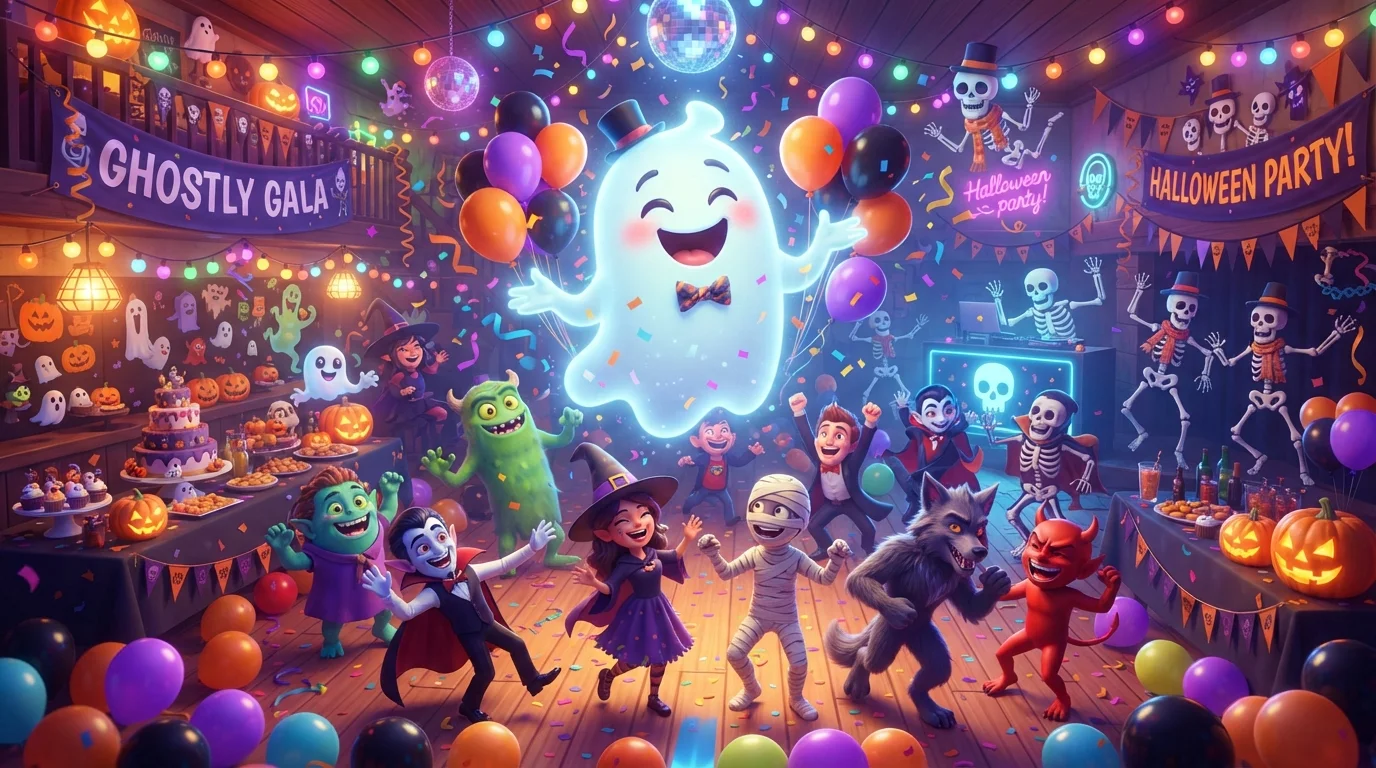
The idea of an approachable phantom might feel surprising at first. Most movies teach us to run away screaming whenever a ghostly presence enters a room.
However, storytellers and cultures around the world have celebrated friendly spirits for hundreds of years. These entities represent warmth, humor, and harmless curiosity rather than anger or malice.
Understanding these cheerful specters helps us see folklore through an entirely new lens. It proves that the unknown can be delightful, funny, and surprisingly comforting.
Why We Love Gentle Supernatural Stories
Scary tales trigger our fight-or-flight instincts, which can leave us feeling exhausted and anxious. Gentle supernatural stories give us the thrill of the mysterious without any lingering fear.
They allow us to explore the unseen world while feeling totally safe and entertained. It is like taking a cozy ride through a haunted house where every phantom waves hello and tells a joke.
This lighthearted approach makes supernatural lore accessible to everyone, including younger readers and sensitive folks who dislike horror movies.
Key Characteristics of Harmless Entities
Harmless specters possess distinct traits that separate them from classic movie monsters. Recognizing these signs helps you spot friendly entities instantly in folklore and pop culture.
- They create mild, innocent disruptions like hiding car keys or tapping on walls playfully.
- They often appear in brightly lit rooms or warm colors rather than pitch-black cellars.
- They show a genuine curiosity toward human activities, crafts, and everyday hobbies.
- They leave behind pleasing scents like blooming lavender, sweet pipe tobacco, or fresh cinnamon.
When a spectral presence brings laughter instead of terror, you are dealing with a classic friendly spirit.
Famous Friendly Phantoms Throughout History
History is filled with fascinating accounts of phantom visitors who simply wanted to hang around and help out. These accounts span across continents and centuries, showing that humans have always enjoyed lighthearted haunting tales.
From castle specters who tidied up libraries to cozy homestead phantoms who alerted families to burning ovens, friendly encounters are surprisingly well-documented.
Examining historical accounts reveals how our ancestors found comfort in the idea of helpful spirit neighbors.
Casper and Pop Culture Champions
Pop culture played a huge role in normalizing the friendly phantom trope. The most iconic example is Casper, created in the late 1930s as an antidote to terrifying monster stories.
Casper showed audiences that being different does not make someone dangerous. His cheerful attitude and desire for genuine friendship transformed how society views spectral characters.
Later stories, including comedic films like Ghostbusters and whimsical animations, continued this tradition of combining spooky themes with high-stakes comedy.
The Gentle Spirits of European Folklore
European folklore is rich with house spirits that blur the line between specters and fairies. In Scandinavian tradition, the Tomte or Nisse acts as a subtle household guardian.
In British lore, friendly hearth specters were believed to sweep floors overnight or watch over sleeping livestock. Families would leave small dishes of cream or warm porridge out of gratitude.
These historical legends treated the supernatural world as a helpful part of daily farm life rather than something to fear.
What Drives a Ghost to Be Playful?
Why do some ghostly legends feature terrifying monsters while others focus on silly pranks? The answer often lies in human psychology and cultural storytelling needs.
Stories reflect what a community values most. Communities that value hospitality, humor, and neighborly care tend to invent cheerful phantom lore.
Exploring these motivations gives us great insight into human nature and creative storytelling.
Unfinished Business with a Comedic Twist
Traditional folklore says specters remain tied to Earth due to unfinished business. In cheerful tales, that business is usually funny or heartwarming rather than tragic.
Imagine a baker who refuses to cross over until someone learns his secret cinnamon roll recipe. Or consider a medieval knight who stays behind just to keep winning at chess against village visitors.
- A tailor spirit who subtly fixes loose buttons on coats left hanging in dark hallways.
- A musician phantom who softly plays flute melodies whenever someone rehearses the wrong note.
- A librarian entity that reorganizes scattered books into strict alphabetical order overnight.
These lighthearted motives turn lingering specters into beloved, eccentric historical figures.
Psychological Reasons We Enjoy Cozy Spookiness
Psychologists note that cozy spookiness provides a safe emotional outlet for humans. It lets us process ideas about the unknown without feeling genuine threat or distress.
When a story features a fun ghost, our brains experience a mild tickle of curiosity combined with reassuring safety. This balance releases feel-good brain chemicals like dopamine without triggering extreme adrenaline spikes.
That explains why cozy mysteries and lighthearted hauntings remain popular genres across book clubs and family movie nights.
Comparing Scary and Friendly Ghost Tropes
To truly appreciate cheerful specters, it helps to compare their traits directly alongside traditional horror tropes.
Comparing these contrasts highlights how creative choices in tone radically change the same supernatural concept.
How Pop Culture Shapes Our View of Ghosts
Media plays a major role in shaping public perception regarding phantom encounters. When television shows present spirits as funny housemates, society starts viewing spooky tales with lighthearted curiosity.
Over the past few decades, entertainment has steadily shifted from pure terror toward funny, heartwarming, and mysterious spectral themes.
This cultural evolution allows families to enjoy seasonal spooky activities together without frightening young children.
Animated Cartoons and Family Movies
Animated television shows have long used playful phantoms to teach young viewers about empathy and understanding. When main characters meet a misunderstood spirit, the plot usually revolves around helping them solve a silly problem.
These narratives teach children not to judge others based on appearances or unfamiliar traits. They turn potential monsters into relatable friends who simply look a bit different.
- Classic animated shorts where mischievous specters play musical instruments using household pots.
- Comedic feature films where suburban families accidentally buy homes inhabited by eccentric phantom poets.
- Video games where players collect, feed, and team up with adorable floating spectral companions.
These creative media formats prove that supernatural themes can be uplifting, educational, and deeply entertaining.
Literature and Cozy Paranormal Mysteries
Cozy paranormal fiction represents one of the fastest-growing genres in modern publishing. These books replace bloody horror scenes with quaint tea shops, small-town sleuths, and helpful ghost sidekicks.
In these novels, the spectral character acts as an assistant detective, eavesdropping on suspects and nudging clues toward the main protagonist.
Readers love this combination of light mystery, warm humor, and gentle paranormal activity.
Common Signs of a Playful Phantom in Fiction
Writers use specific sensory details and comedic cues to signal that an entity is friendly. Recognizing these narrative clues helps readers follow the story with total peace of mind.
If you are reading a book or watching a comedy show, pay attention to how the author sets up spectral arrivals.
These signs immediately establish a cozy atmosphere rather than a terrifying horror tone.
Harmless Practical Jokes
Harmless pranks are the primary signature of a comedic phantom. Instead of causing damage, their actions create mild confusion and light laughter.
You might read about a character who keeps finding their left shoe tucked neatly inside the kitchen refrigerator. Or perhaps a character turns around to find their coffee mug filled to the brim with colorful confetti.
These playful disruptions showcase the spirit’s personality while keeping the story light and entertaining.
Warm and Nostalgic Aromas
Horror stories rely on foul odors like rotting wood to create disgust and fear. In contrast, cheerful stories use nostalgic, comforting scents to establish a welcoming presence.
- The rich scent of hot chocolate drifts across a cold room on a snowy afternoon.
- The crisp smell of fresh peppermint appears during a challenging math study session.
- The soothing aroma of dried roses fills a room right before a helpful clue appears.
These pleasant sensory cues instantly put both the fictional characters and the reader at ease.
How to Write Your Own Friendly Ghost Story
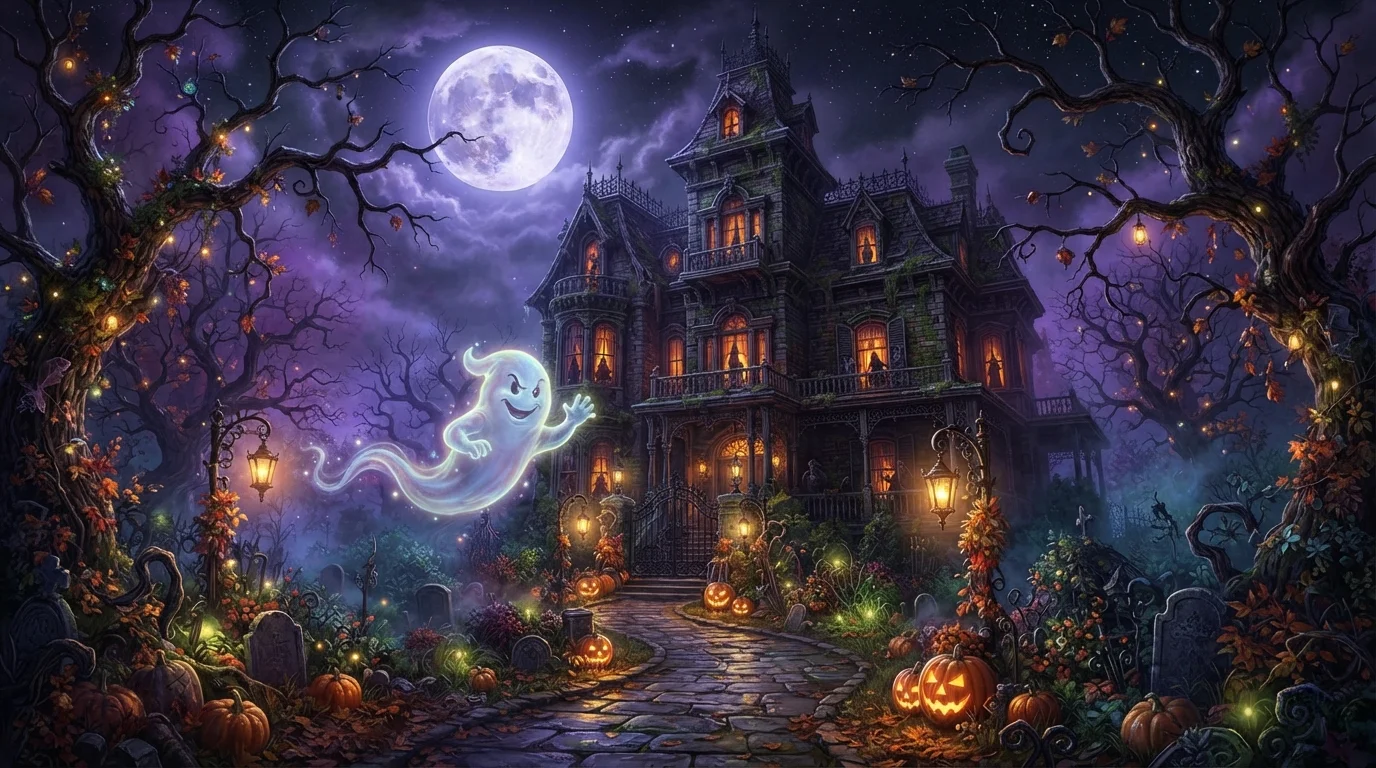
Creating an engaging, lighthearted paranormal story is a fun creative exercise for writers of all skill levels. The secret lies in balancing eerie supernatural elements with warm, human emotions.
You do not need massive action sequences or scary monsters to hold a reader’s attention. A simple story about an eccentric spirit can be deeply compelling.
Here are practical, step-by-step techniques for crafting your own cozy phantom narrative.
Step 1: Give Your Spirit a Relatable Personality
Start by building a clear, endearing personality for your phantom character. Think about their original time period, their favorite hobbies, and their unique quirks.
Maybe your entity was a 1920s jazz musician who hates modern pop music. Whenever someone plays modern songs, the spirit playfully switches the radio back to classic saxophone tracks.
Giving your entity relatable preferences makes them feel like a real, multi-dimensional character rather than a plain trope.
Step 2: Establish Simple Rules for Their Powers
Every great fantasy story needs rules to maintain dramatic tension and comedic logic. Decide what your phantom can and cannot interact with in the physical world.
- Can they move small objects like teaspoons, but struggle to lift heavy wooden chairs?
- Are they visible only when someone lights a specific scented candle in the room?
- Can they communicate solely through typewriter keys, piano notes, or glowing streetlights?
Clear boundaries keep your plot grounded and give your living characters creative challenges to solve.
Step 3: Focus on Humor and Heartbeat Connections
The heart of any cozy story is the relationship between the living characters and the supernatural visitor. Build scenes where they learn to communicate and help each other out.
Your living character might help the spirit organize an old attic, while the spirit helps the character build up confidence for a job interview.
This mutual support turns a simple ghost story into a memorable tale about friendship, history, and connection.
Fun Paranormal Activities for Cozy Celebrations
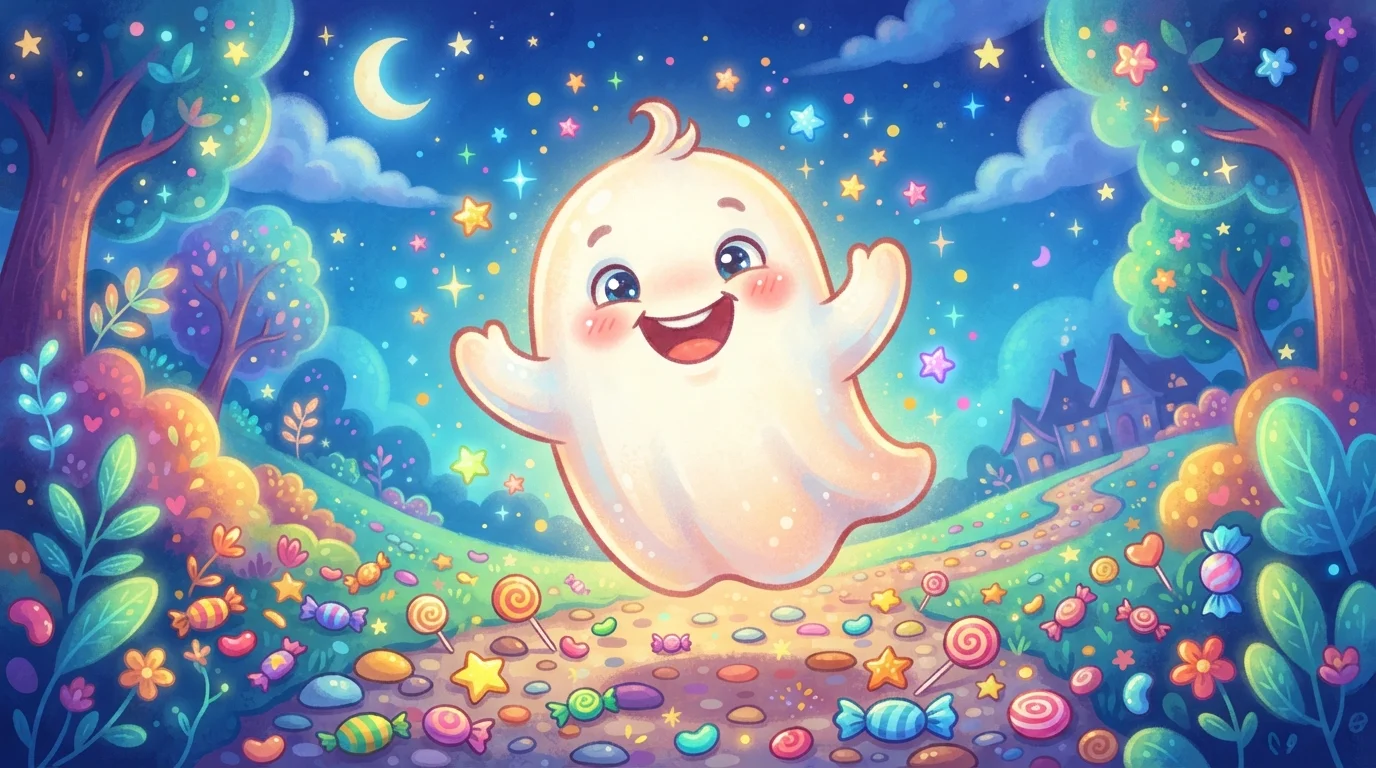
You do not need to wait for Halloween to enjoy lighthearted, spooky-themed activities with friends and family. There are plenty of delightful ways to celebrate playful paranormal themes year-round.
These activities focus on creativity, storytelling, and light fun without any frightening elements.
They make fantastic ideas for birthday parties, cozy weekend gatherings, or themed movie nights.
Organizing a Gentle Ghost Story Night
Host a cozy gathering where guests share funny, strange, or mysterious personal stories. The goal is to share bizarre coincidences and playful urban legends rather than terrifying tales.
Set the mood with soft string lights, plush blankets, warm cider, and freshly baked pastries.
Encourage everyone to bring one unusual object, like an old key or pocket watch, and improvise a funny backstory about its fictional phantom owner.
DIY Phantom Crafts and Decor
Crafting themed decorations is a wonderful activity for children and adults alike. You can create adorable, friendly phantom crafts using simple materials found around the house.
- Drape white fabric scraps over small foam balls and secure them with ribbon to make hanging decorations.
- Paint friendly faces onto polished white river stones to place in flower beds or desk gardens.
- Cut glowing parchment paper into cheerful ghostly silhouettes to tape inside window frames.
These light projects transform spooky motifs into cute, welcoming home accents.
MCQs
Test your knowledge of friendly ghost folklore, literary tropes, and lighthearted paranormal history with these ten questions!
1. What do ghosts traditionally appear in?
A) Haunted houses
B) Shopping malls
C) Airports
D) Beaches
2. Which color commonly represents a friendly cartoon ghost?
A) Orange
B) White
C) Green
D) Purple
3. What sound is often associated with a spooky ghost?
A) Honk
B) Ring
C) Boo!
D) Splash
4. Which holiday is strongly connected with ghosts?
A) Easter
B) Halloween
C) Valentine’s Day
D) New Year
5. What might a friendly ghost wear in a cartoon?
A) A superhero cape
B) A school uniform
C) A scuba suit
D) A chef’s hat
6. Where might a cartoon ghost hide during a fun Halloween game?
A) Behind a curtain
B) Inside a refrigerator
C) On a highway
D) Under a swimming pool
7. Which object can make a ghost scene look more mysterious?
A) A glowing lantern
B) A tennis racket
C) A bicycle helmet
D) A lunch box
8. What expression might a funny ghost make?
A) A silly smile
B) A serious frown only
C) No expression
D) A sleeping face only
9. Which creature is often shown alongside ghosts in Halloween decorations?
A) Dolphin
B) Penguin
C) Black cat
D) Giraffe
10. What makes a ghost character “fun” instead of scary?
A) Cute design and playful expression
B) Dark clouds only
C) A frightening scream
D) A terrifying monster face
✅ Answers
- A
- B
- C
- B
- A
- A
- A
- A
- C
- A
FAQs
What makes a ghost story cozy rather than scary?
A story becomes cozy when it focuses on mystery, humor, and warm character relationships rather than terror and violence. Friendly phantoms bring playful curiosity to the plot, creating a safe, charming atmosphere where readers can enjoy supernatural elements without feeling frightened or stressed.
Are friendly spirits common in global folklore?
Yes, cultures worldwide feature benevolent house spirits and protective ancestral specters. From European hearth guardians to helpful family spirits in Asian traditions, folklore frequently highlights entities that guard homes, aid farmers, and bring good fortune to respectful households rather than causing harm.
Can young children enjoy fun ghost stories?
Absolutely! Lighthearted phantom tales are ideal for young children because they emphasize empathy, humor, and problem-solving. Stories featuring friendly specters help children overcome fears of the dark by showing that unfamiliar or mysterious things can be approachable, gentle, and funny.
How do writers make a fun ghost feel realistic?
Writers create realistic specters by giving them distinct human personalities, clear limitations, and specific historical quirks. When a phantom has favorite hobbies, funny preferences, and logical rules governing their physical interactions, they feel like a genuine character that readers care about.
What is the best way to host a lighthearted ghost story night?
Create a warm atmosphere using fairy lights, soft blankets, and seasonal treats like warm cider. Ask guests to share unusual, funny, or mysterious personal experiences while keeping the tone light, creative, and entertaining rather than dark or frightening.
Conclusion
Exploring the world of the fun ghost shows that supernatural stories don’t need terrifying monsters to keep us engaged. By trading horror tropes for humor, gentle mischief, and warm human connections, playful specter tales offer a refreshing take on the unknown.
Whether you are enjoying classic cartoons, reading cozy paranormal mysteries, or crafting your own whimsical legends, these friendly phantoms remind us that curiosity and laughter can shine through the spookiest settings. They transform eerie shadows into welcoming smiles.
The next time you hear a mysterious creak in the hallway or misplace your car keys, do not jump to scary conclusions. You might just have a delightful, fun ghost around, playing a friendly joke and keeping life entertaining!

Asjad Ali is a passionate, fun, and entertainment enthusiast who enjoys discovering interesting, amusing, and engaging content from around the web. Through laughvista.com, Asjad shares lighthearted ideas, entertaining stories, fun facts, jokes, and enjoyable content designed to bring a little more laughter and positivity into everyday life. His goal is to create content that feels natural, relatable, and easy for everyone to enjoy.
With a genuine interest in fun and entertainment, Asjad Ali focuses on creating friendly content for readers of different ages and backgrounds. laughvista.com is built around the idea that a few moments of laughter can brighten anyone’s day. Whether readers are looking for something funny, interesting, or simply entertaining, Asjad aims to make every visit enjoyable, refreshing, and worth coming back to.