
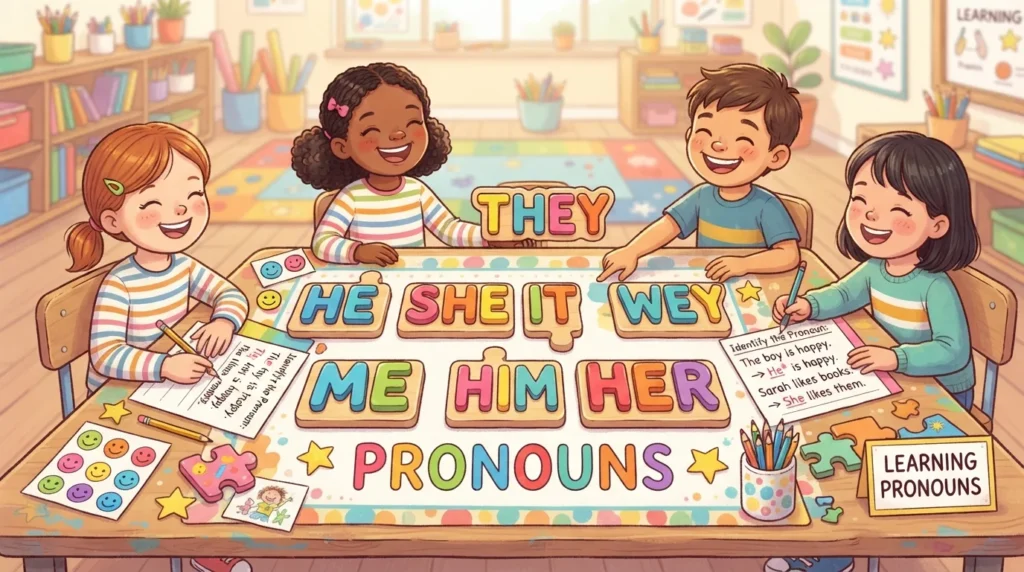
Fun pronouns are creative, expressive, or playful pronoun sets—such as neopronouns, noun-self sets, or whimsical grammatical constructs—used to reflect personal identity, aesthetics, or mood. They transform routine sentence structures into unique forms of self-expression while keeping everyday communication engaging, lighthearted, and deeply personalized.
Have you ever felt like traditional words just do not capture your true vibe? Exploring fun pronouns gives you an exciting, imaginative way to express your unique personality through everyday language.
Language is constantly evolving, and using fun pronouns allows friends, online communities, and creators to bring fresh energy into daily conversations. Rather than sticking strictly to conventional options, you can experiment with words that feel genuinely playful and personal.
Let us explore how these creative expression tools work, where they come from, and how you can seamlessly use them in conversation today.
What Are Fun Pronouns and Why Do People Use Them?
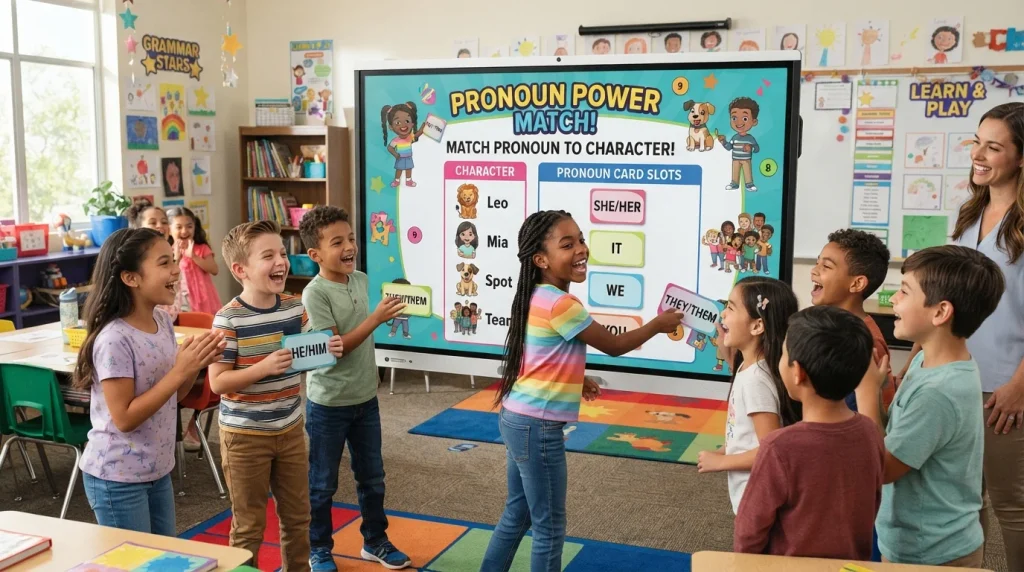
At their core, pronouns are simply words we use to replace proper nouns, like replacing a person’s name with a shorter reference. When we talk about fun pronouns, we mean sets that add extra personality, aesthetic flair, or creative joy to that basic grammatical job.
People choose these creative alternatives because standard words can sometimes feel too plain or rigid. Using playful word sets turns standard sentences into colorful expressions of who you are.
The Evolution of Creative Language
Language has always expanded whenever people needed new ways to share their feelings. Centuries ago, poets invented hundreds of terms just to describe subtle shifts in emotion.
In modern times, digital spaces have sped up this creative process dramatically. Online communities regularly design novel ways of speaking to make members feel welcomed, understood, and celebrated.
Self-Expression Beyond the Basics
Think of language like a closet full of clothes. While standard outfits work fine for daily chores, custom outfits let you show off your personal artistic style.
- Personal Alignment: Choosing specific words helps you match your internal feelings with your external speech.
- Aesthetic Moods: Some people match their word choices with themes like nature, space, or fantasy fiction.
- Playful Energy: Using distinct language adds humor and lightness to social gatherings.
Exploring the Different Types of Creative Pronouns
Creative pronouns come in many distinct formats, ranging from historical alternatives to brand-new noun creations. Here are the main categories you will see people using:
- Neopronouns: Sets like Ze/Hir/Hirs serve as modern grammatical alternatives designed to fit smoothly into traditional English sentence structures.
- Noun-Self Pronouns: Creative sets like Star/Star/Stars take real nouns and turn them into functional sentence builders for a personal touch.
- Nature-Themed Sets: Words like Leaf/Leaf/Leafs allow individuals to bring elements of the outdoors directly into their identity.
- Emoji Pronouns: Visual options like Sparkle/Sparkles are popular in digital chats, using symbols to add fun texture to posts.
Classic Neopronouns
Neopronouns are modern grammatical alternatives created to fit smoothly into traditional English rules. Sets like ze/hir, ey/em, or xe/xem have been used for decades in literature and online forums.
These sets feel familiar because they follow regular singular grammar structures. They offer a sleek, neutral, and stylish way to address someone without using standard historical options.
Noun-Self Pronouns
Noun-self pronouns take actual nouns—like star, fae, pixie, or sky—and turn them into functional sentence builders. They allow individuals to bring their favorite elements of nature or fantasy right into their identity.
For instance, someone using sun/suns might say, “Sun made suns breakfast this morning.” It instantly tells you what kind of bright energy that person loves to share.
Emoji Pronouns
Emoji pronouns are primarily used in written digital messaging, chat rooms, and social media profiles. People replace text letters with small visual symbols to add instant visual texture to their posts.
While you usually read them out loud using the word the emoji represents, on screen they look distinct and colorful. They are especially popular in gaming groups and artistic Discord channels.
How to Construct and Sentence-Test Creative Sets
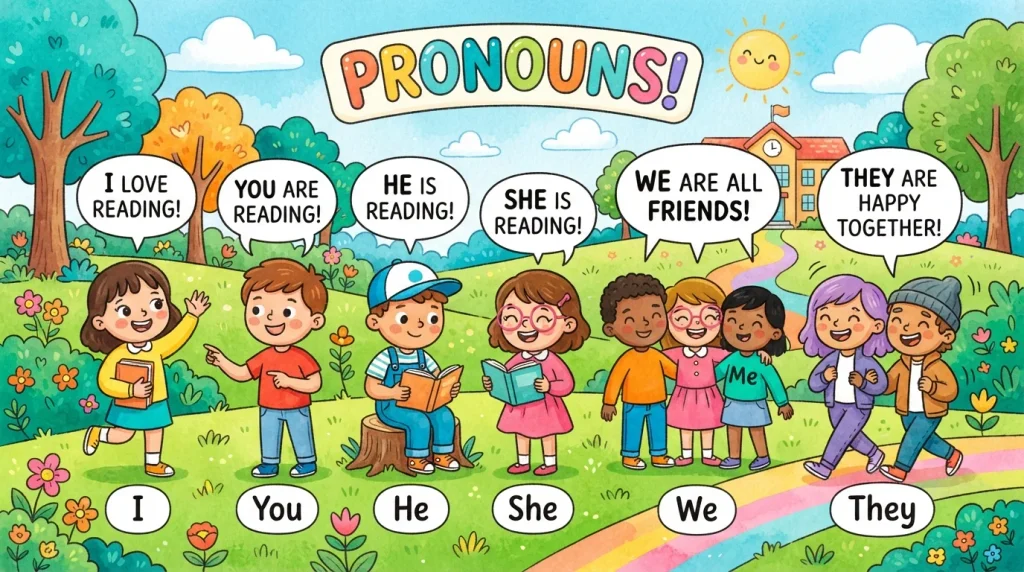
Learning a new pronoun set is just like practicing a new vocabulary word in a foreign language class. With a small amount of practice, the words begin to flow naturally during regular conversation.
Understanding Grammatical Slots
Every complete set of pronouns needs five standard positions to work properly in English grammar. Here is how those positions break down using a standard noun set like cloud:
- Subject: Cloud went to the park.
- Object: I walked with cloud.
- Possessive Determiner: That is cloud jacket.
- Possessive Pronoun: The hat belongs to clouds.
- Reflexive: Cloud fixed the bike cloudself.
The “Coffee Shop Test”
If you are thinking about trying out fun pronouns for yourself, practice with the coffee shop test. Imagine a barista calling out your order or describing your drink to a coworker using your chosen set.
Saying the sentences out loud in private helps you decide if the rhythm feels right to your ears. If it makes you smile, you have likely found a great match!
Practical Examples of Creative Pronouns in Action
Seeing new word sets inside regular sentences is the fastest way to get comfortable using them. Here are several practical examples broken down by context.
Daily Casual Conversations
- Using Ze/Xem: “Ze dropped xem keys near the door, so I picked them up for ze.”
- Using Bloom/Blooms: “Bloom planted blooms new garden yesterday, and it looks beautiful.”
- Using Spark/Sparks: “Spark mentioned that sparks car is currently at the mechanic.”
Workplace and Professional Writing
Even in professional settings, showing respect for personal language choices builds strong team trust. You might see creative choices listed inside email signatures or chat profiles.
For instance, an email signature might read: Taylor Smith (Ze/Hir) – Project Specialist. This simple note lets colleagues know how to address Taylor correctly in future notes.
Social Benefits of Embracing Playful Language
Expanding your personal vocabulary does far more than just refresh your speech. It builds stronger connections with people around you and keeps your mind adaptable.
Boosting Creative Thinking
Using creative sentence patterns exercises your brain’s language processing centers. When you consciously swap standard words for unique alternatives, you stay present and mindful during conversations.
It breaks routine habits and encourages you to pay closer attention to how you communicate with others.
Building Welcoming Communities
When groups accept unique forms of self-expression, members feel safer sharing their true thoughts and creative ideas. Kindness and flexibility in speech set a friendly tone for every interaction.
- Encourages open communication among team members.
- Reduces fear of making mistakes during introductions.
- Celebrates individual identity in a relaxed, joyful environment.
Common Misconceptions About Creative Pronouns
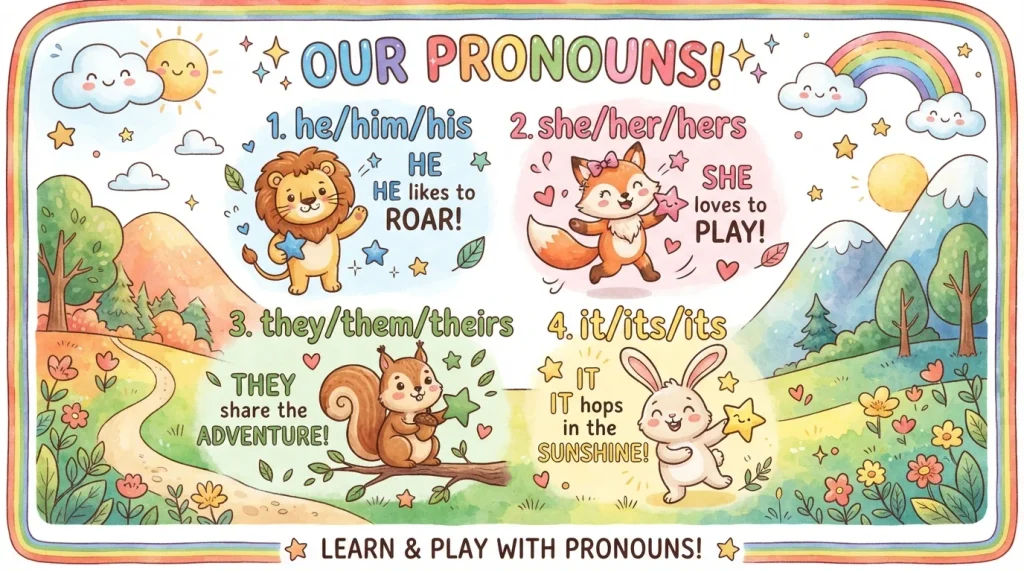
Because creative language moves quickly, people sometimes misunderstand how these sets work. Clearing up these common myths helps everyone feel more confident.
Myth 1: “They Are Too Hard to Learn”
Many people worry they will constantly stumble over new words in everyday speech. In reality, mastering language skills come quickly once you memorize the basic subject and object forms.
Most people pick up a new set after using it just four or five times in casual conversation.
Myth 2: “They Ruin Traditional English Grammar”
English grammar has never been static or fixed in stone. Words like you used to be exclusively plural, while thou was used for singular friends.
Adapting words to fit modern creative needs is simply the next natural chapter in the history of language.
Myth 3: “People Only Use Them Online”
While internet culture certainly made sharing these sets easier, many people use their preferred language in offline spaces too. From art clubs to campus groups, creative speech flourishes anywhere open-minded people gather.
How to Ask About and Remember Someone’s Pronouns
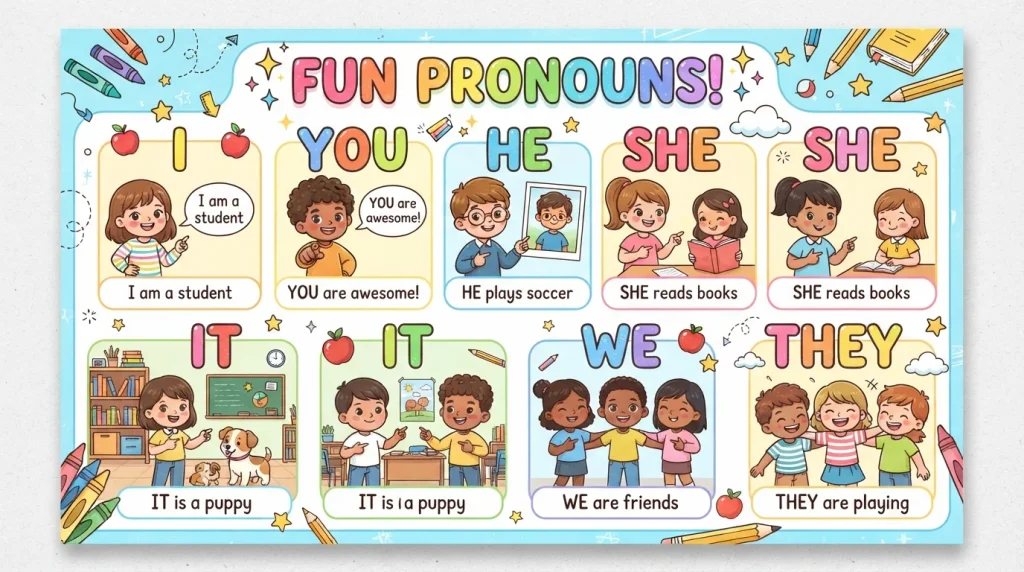
Asking someone about their preferred words does not need to feel awkward or formal. Keeping things simple, natural, and friendly works best in every situation.
Easy Icebreaker Phrases
- “Hi, I am Alex! I go by they/them. What words do you prefer?”
- “Quick check before we start—how should I refer to you in our group notes?”
- “I love your profile tag! How do you pronounce your listed set out loud?”
What to Do If You Make a Mistake
Everyone slips up occasionally when learning a new word, and that is completely normal. The best approach is to correct yourself quickly without making a dramatic scene.
Simply say, “Sorry, I meant ze,” and continue your sentence smoothly. Brief corrections show respect while keeping the conversation moving forward naturally.
MCQs
Test your knowledge on creative language structures and sentence rules with these ten practice questions!
1. Which word is a pronoun?
A) She
B) Beautiful
C) Run
D) School
2. Which pronoun can replace “Ali”?
A) He
B) They
C) We
D) It
3. Which pronoun can replace “Sara and I”?
A) We
B) He
C) She
D) It
4. Choose the correct pronoun: “___ is my best friend.”
A) She
B) Them
C) Us
D) We
5. Which pronoun refers to more than one person?
A) They
B) He
C) She
D) It
6. Choose the correct sentence.
A) He likes football.
B) Him likes football.
C) Them likes football.
D) Me likes football.
7. Which pronoun can replace “the cat”?
A) It
B) They
C) We
D) He
8. Which is a possessive pronoun?
A) Mine
B) Me
C) I
D) We
9. Choose the correct pronoun: “Ahmed and Tom are playing. ___ are happy.”
A) They
B) He
C) It
D) She
10. What is the main purpose of pronouns?
A) To replace nouns
B) To describe colors
C) To show actions only
D) To name places
✅ Answers:
- A | 2. A | 3. A | 4. A | 5. A | 6. A | 7. A | 8. A | 9. A | 10. A
FAQs
What are fun pronouns?
Fun pronouns are creative, non-traditional word sets used to replace proper names in sentences. They allow individuals to express their personal style, mood, or aesthetic through language.
How do you pronounce neopronouns like ze/hir?
Most people pronounce ze like “zee” (rhyming with see) and hir like “here” or “hear.” If you are ever unsure, politely asking the person directly is always a great option.
Are noun-self pronouns difficult to use in daily conversation?
Noun-self pronouns follow the same structural rules as traditional words like they. With a little sentence practice, using them becomes smooth and effortless.
Can someone use more than one set of pronouns?
Yes, many people comfortably use multiple sets, such as they/them alongside creative options. They might cycle through sets depending on their mood or social setting.
How do I list creative pronouns in my social media bio?
Simply write your chosen sets separated by slashes in your profile description, such as ze/hir or star/stars. This makes your preferences clear to all your followers.
Conclusion
Exploring fun pronouns opens up a creative world where language reflects personal flair, joy, and individual identity. Whether you prefer classic neopronouns, nature-inspired noun sets, or playful digital symbols, using custom words makes everyday communication far more dynamic.
Remember that language belongs to everyone, and adapting it to bring happiness into your interactions is a wonderful thing. Practice new sets with friends, stay open-minded, and enjoy discovering new ways to express who you are.
Start trying out new sentence structures today, share your favorite terms with your group, and keep your conversations vibrant!

Asjad Ali is a passionate, fun, and entertainment enthusiast who enjoys discovering interesting, amusing, and engaging content from around the web. Through laughvista.com, Asjad shares lighthearted ideas, entertaining stories, fun facts, jokes, and enjoyable content designed to bring a little more laughter and positivity into everyday life. His goal is to create content that feels natural, relatable, and easy for everyone to enjoy.
With a genuine interest in fun and entertainment, Asjad Ali focuses on creating friendly content for readers of different ages and backgrounds. laughvista.com is built around the idea that a few moments of laughter can brighten anyone’s day. Whether readers are looking for something funny, interesting, or simply entertaining, Asjad aims to make every visit enjoyable, refreshing, and worth coming back to.