
Ever get bored staring at the same plain bullseye every time you head to the range? Fun printable targets fix that in about two minutes.
Instead of buying a pack of paper targets, you print exactly what you want, whenever you want.
From silhouette shapes to goofy cartoon designs, fun printable targets turn an ordinary practice session into something you actually look forward to.
What Are Fun Printable Targets?
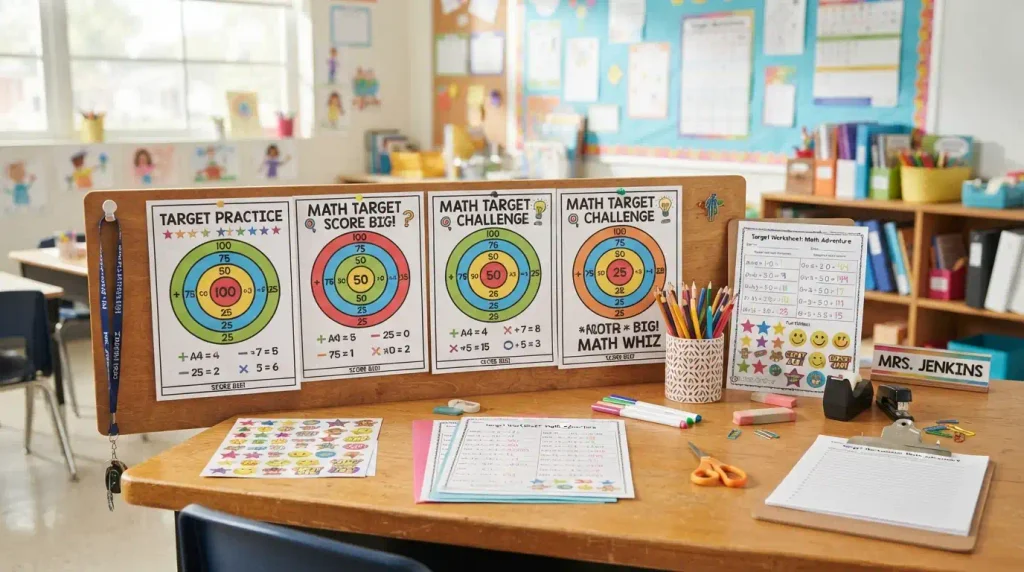
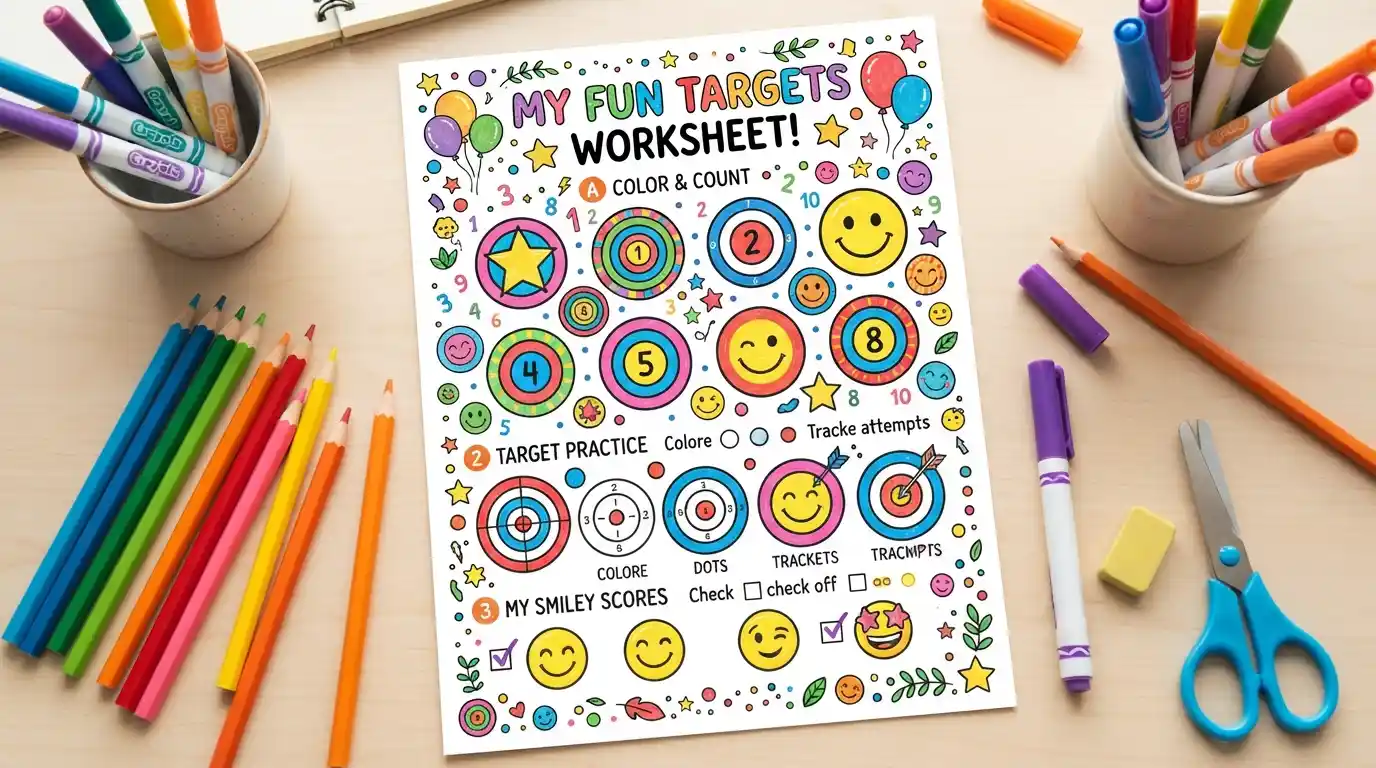
Fun printable targets are digital target designs made to be downloaded and printed at home instead of purchased pre-made from a store. They usually come as PDF files sized for standard letter or A4 paper.
Unlike plain bullseye targets, the “fun” versions add variety. Think cartoon zombies, animal silhouettes, color-coded scoring zones, or even holiday-themed designs.
They work for more than firearms too. Archers, BB gun users, airsoft players, and even Nerf enthusiasts use printable targets to practice aim in a low-cost, low-mess way.
Why People Prefer Printable Over Store-Bought Targets
Store-bought target packs are convenient, but they can get expensive if you shoot often. A printable target costs nothing but a sheet of paper and a little ink.
There is also more variety available online than most stores carry on their shelves. If you want a specific size, shape, or scoring system, chances are someone has already designed and shared it for free.
Popular Types of Fun Printable Targets
Not all printable targets look the same, and picking the right style depends on what you are practicing and how you like to track progress.
Classic Bullseye Targets
The traditional circular bullseye remains popular because it is simple and easy to score. Concentric rings make it obvious how close a shot landed to the center, which is useful for measuring accuracy over time.
Silhouette Targets
Silhouette targets mimic a human or animal outline instead of a plain circle. They are often used for defensive shooting practice or hunting preparation, since they train your eye to aim at a realistic shape rather than a flat shape with rings.
Animal and Novelty Targets
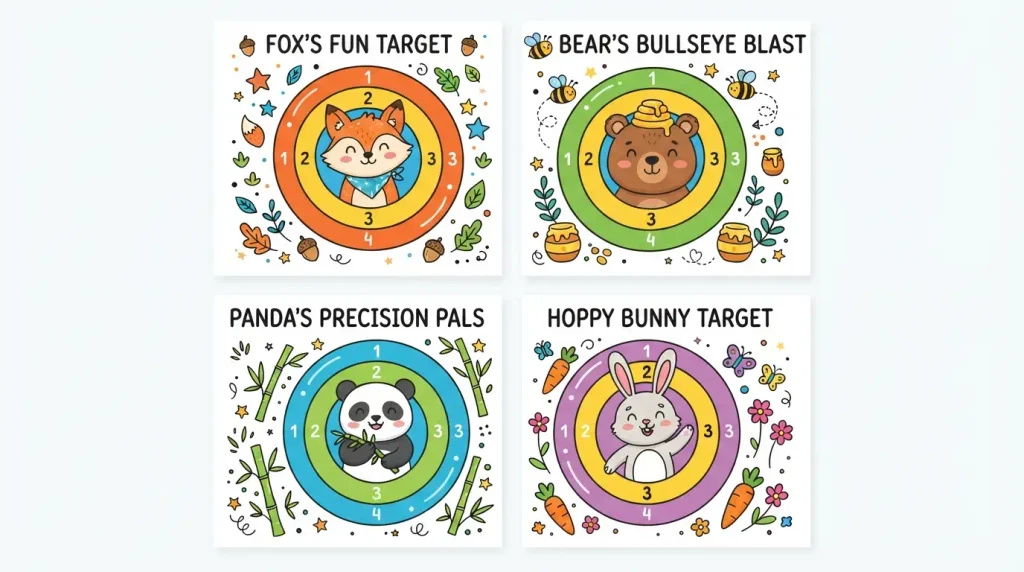
Animal-shaped targets, like deer, coyote, or waterfowl designs, are popular with hunters who want practice that mirrors real conditions. Novelty targets, on the other hand, lean into pure fun with cartoon characters, playing cards, or holiday themes.
Grid and Precision Targets
Grid targets use a checkerboard-style layout instead of a single bullseye. They help shooters diagnose exactly where shots are landing across multiple attempts, which is especially useful when sighting in a scope.
Splatter and Reactive-Style Targets
Some printable designs mimic the bright color-burst look of reactive splatter targets. While they will not physically splatter like the real thing, the bold colors make it easier to see exactly where a shot lands from a distance.
Choosing the Right Target for Your Practice
The best fun printable target depends on what skill you are working on and what equipment you are using that day.
Match the Target to Your Firearm or Tool
- Rifle practice at longer distances often works best with a grid or precision target.
- Pistol practice at shorter range suits a classic bullseye or silhouette
- Archery benefits from larger, high-contrast circular targets
- BB guns and airsoft work well with smaller novelty or animal targets
Consider the Distance
A target designed for 25 yards will look very different from one meant for 100 yards. Smaller scoring rings and finer print work at close range, while longer distances need bolder lines and bigger shapes to stay visible.
Think About What You Want to Track
If you care about precise grouping, a grid or numbered scoring target helps you measure improvement over time. If you just want a relaxed, fun session, novelty targets add enjoyment without worrying about exact scoring.
How to Print Targets the Right Way
Printing a target sounds simple, but a few small mistakes can throw off your accuracy tracking before you even get to the range.
- Download the target as a PDF file rather than an image, since PDFs preserve exact scale.
- Open the file and check the print settings for “actual size” or “100 percent,” not “fit to page.”
- Use standard printer paper for casual practice, or cardstock for something more durable.
- Print a test copy first and measure the rings or grid with a ruler to confirm the scale is correct.
- Store extra copies in a folder or binder, so you always have some ready before a range trip.
Skipping the “actual size” setting is the most common mistake. Most printers default to scaling documents to fit the page, which can quietly shrink your target and throw off scoring.
Where Fun Printable Targets Are Commonly Used
Printable targets show up in more places than just a shooting range.
Backyard Plinking
Casual backyard shooting with BB guns or airsoft rifles is one of the most common uses. A cheap paper target pinned to a board or hay bale turns an afternoon into a low-pressure skill-building activity.
Formal Range Sessions
Indoor and outdoor ranges often allow shooters to bring their own paper targets. Printable designs let shooters customize their session instead of relying only on what the range sells at the counter.
Archery Practice
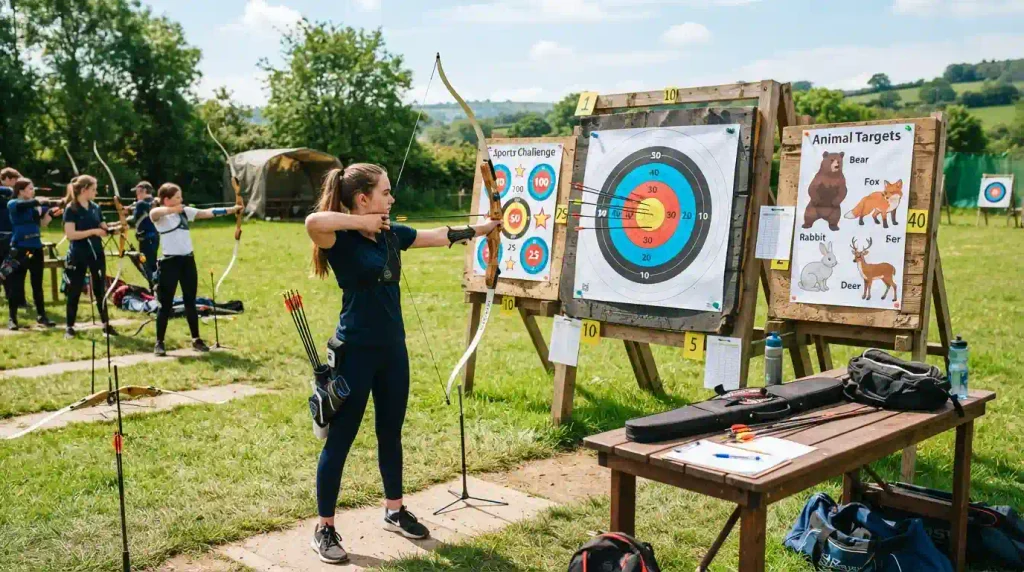
Archers frequently use printable targets pinned to foam or straw backstops. Bright colors and bold rings help with visibility across the distance typical of backyard or indoor archery lanes.
Youth and Beginner Training
Novelty and animal-themed targets are popular for introducing kids or beginners to shooting sports. Larger, more visually engaging designs make early practice feel less intimidating and more like a game.
Tips for Making Practice More Fun
A few small changes can turn a routine practice session into something people actually look forward to.
Turn It Into a Friendly Competition
Print a few numbered targets and keep score with friends or family. Small stakes, like buying the next round of coffee, add just enough motivation to make it interesting.
Rotate Designs Regularly
Using the same bullseye every single time gets repetitive fast. Swapping between animal shapes, grids, and novelty designs keeps sessions feeling fresh.
Track Progress Over Time
Keep old targets in a folder and compare grouping tightness across weeks or months. Watching real improvement is one of the most satisfying parts of consistent practice.
Comparing Common Printable Target Types
| Target Type | Best For | Typical Distance |
|---|---|---|
| Classic Bullseye | General accuracy practice | 10 to 50 yards |
| Silhouette | Defensive or hunting practice | 7 to 25 yards |
| Grid Target | Sighting in a scope | 25 to 100 yards |
| Novelty and Animal | Casual or beginner practice | 5 to 20 yards |
Zombie and Themed Fun Targets
Zombie-style targets became popular over the last decade because they combine a humanoid shape with a lighthearted, non-realistic theme. They give shooters a defined center-mass area to aim at without the more serious feel of a plain silhouette.
Other themed sets follow holidays, playing cards, or pop-culture-style shapes. These work well for casual group sessions where competitive scoring matters less than simply having a good time.
How Printable Targets Compare to Reactive Targets
Reactive targets, like steel plates or exploding clay-style targets, give instant visual or audio feedback when hit. Printable paper targets do not offer that same instant reaction, but they make up for it in flexibility and cost.
Cost Differences
Steel and reactive targets can cost anywhere from a modest amount to well over a hundred dollars depending on size and material. A printable target costs only the price of paper and ink, making it far more practical for frequent practice.
Feedback and Scoring
Reactive targets tell you immediately that you hit something, but they rarely show exactly where. Paper targets, on the other hand, let you see precise shot placement, which matters more if you are working on accuracy rather than just confirming a hit.
Portability
A stack of printed targets fits easily into a range bag and weighs almost nothing. Steel targets and their stands are bulkier and heavier, which makes paper the more convenient choice for spontaneous practice trips.
Making Your Own Custom Printable Target
If none of the free designs online fit exactly what you want, making a custom target is easier than it sounds.
Basic Tools You Can Use
- Free design software like Canva or GIMP for creating shapes and rings
- A simple word processor for adding scoring numbers or labels
- Online target generator tools that let you customize size and style before downloading
Tips for Designing Your Own
Keep colors high-contrast, since black on white or bright orange on white tends to be the easiest to see at a distance. Also include a scoring key directly on the target if you plan to track points, so no one has to guess how a hit should be counted.
Save your custom design as a PDF once finished, since PDFs preserve exact measurements far more reliably than image formats like JPEG or PNG when printed later.
Fun Ways to Use Printable Targets With Friends or Family
Printable targets are not just a training tool. They can turn an ordinary afternoon into a memorable one with a little creativity.
Themed Challenge Days
Pick a new novelty target each week and turn it into a mini event. A “cartoon Friday” or “holiday-themed weekend” adds a reason to look forward to practice instead of treating it as routine.
Scorecard Tournaments
Print a batch of numbered targets and run a small bracket-style tournament among friends. Keeping a simple scorecard adds friendly competition without needing any special equipment beyond the printed sheets themselves.
Family-Friendly BB Gun Sessions
For families introducing kids to shooting sports safely, novelty and animal targets tend to hold attention better than plain bullseyes. Pairing them with a low-powered BB gun under close supervision keeps the experience both fun and appropriately low-risk.
Staying Safe While Using Printable Targets
Fun printable targets are only as safe as the setup around them. A few basics keep practice enjoyable without unnecessary risk.
Use a Proper Backstop
A target should always be attached to a suitable backstop, like a hay bale, foam block, or purpose-built target stand. Paper alone does nothing to stop a projectile safely.
Follow Local Range and Property Rules
Ranges and shooting areas often have specific rules about target size, placement, and materials. Always check posted guidelines before setting up your own printed target instead of assuming anything goes.
Keep the Area Clear
Confirm the space beyond and around the target is clear of people, pets, and anything you do not intend to hit. This matters just as much with printable targets as it does with any pre-made version.
Common Mistakes to Avoid
Printing at the Wrong Scale
As mentioned earlier, letting a printer auto-scale a target throws off the accuracy of scoring rings. Always double-check the print settings before heading out.
Using Flimsy Paper in Windy Conditions
Standard printer paper can tear or flap in the wind, making it hard to see hits clearly. Cardstock or laminated targets hold up much better outdoors.
Ignoring Distance Guidelines
Using a target designed for close range at a much longer distance makes scoring rings nearly impossible to see. Match the target design to the distance you are actually shooting from.
Practice Exercise
1. What is a fun printable target?
A. A pre-made metal target
B. A downloadable design printed at home
C. A digital shooting simulator
D. A type of ammunition
2. Which target type uses a checkerboard-style layout?
A. Silhouette target
B. Novelty target
C. Grid target
D. Animal target
3. What print setting should you check before printing a target?
A. Black and white only
B. Fit to page
C. Actual size or 100 percent
D. Draft quality
4. Which target style is most associated with hunting preparation?
A. Grid target
B. Animal silhouette target
C. Novelty target
D. Splatter-style target
5. What is a common mistake when printing targets?
A. Using PDF files
B. Letting the printer auto-scale the design
C. Printing on paper
D. Testing the print first
6. Why might cardstock be better than regular paper outdoors?
A. This is cheaper
B. It holds up better in wind
C.This prints faster
D. It changes target color
7. What should always support a printed target?
A. A tree branch
B. A proper backstop
C. A cardboard box
D. Nothing; it is not needed
8. Which target type is best suited for sighting in a scope?
A. Novelty target
B. Grid or precision target
C. Animal target
D. Splatter target
9. What is one reason people prefer printable targets over store-bought ones?
A. They last longer physically
B. They offer more variety at low cost
C. People require no printer
D. They cannot be customized
10. What should you check before setting up a target at a range?
A. The target’s color scheme
B. Local range rules and guidelines
C. The printer brand used
D. The target’s file size
Answer Key:
B
C
C
B
B
B
B
B
B
B
FAQs
Are fun printable targets actually free?
Yes, most printable target designs are available for free as downloadable PDF files. Many hobbyist and shooting sport websites offer large libraries of designs at no cost, though some specialty or branded targets may charge a small fee.
What paper works best for printing targets?
Standard printer paper works fine for casual indoor use, but cardstock holds up better outdoors or in windy conditions. Thicker paper resists tearing and stays flat longer during extended practice sessions.
Can printable targets be used for archery?
Yes, many printable targets work well for archery, especially bold, high-contrast bullseye designs. They should be pinned securely to a proper foam or straw backstop rather than used freestanding.
Do I need special software to print these targets?
No, a basic PDF reader is all you need, since most printable targets are shared as standard PDF files. Just make sure your printer settings are set to actual size instead of automatically scaling the page.
Are fun printable targets safe for beginners?
Yes, novelty and animal-themed targets are often used specifically for beginner and youth training. They make practice feel more approachable, though proper supervision and safety basics still apply regardless of target design.
How do I keep a printed target from getting damaged too quickly?
Using cardstock instead of thin paper helps targets survive wind and repeated hits better. Laminating a target before use adds even more durability for longer practice sessions.
What distance should I use for a printable target?
Distance depends on the target design and your equipment, since precision targets suit longer ranges while novelty designs work well up close. Always check any distance recommendations listed with the specific target you download.
Conclusion
Fun printable targets make practice more enjoyable without adding extra cost or complexity to your routine. Whether you prefer a classic bullseye, a silhouette, or a playful novelty design, a printable option fits almost any skill level or activity.
Pay attention to print scale, paper choice, and safe setup, since those small details make a real difference in how useful your targets are.
Next time you plan a range day or backyard practice session, try swapping in a few fun printable targets and see how much more engaging the routine feels.

Asjad Ali is a passionate, fun, and entertainment enthusiast who enjoys discovering interesting, amusing, and engaging content from around the web. Through laughvista.com, Asjad shares lighthearted ideas, entertaining stories, fun facts, jokes, and enjoyable content designed to bring a little more laughter and positivity into everyday life. His goal is to create content that feels natural, relatable, and easy for everyone to enjoy.
With a genuine interest in fun and entertainment, Asjad Ali focuses on creating friendly content for readers of different ages and backgrounds. laughvista.com is built around the idea that a few moments of laughter can brighten anyone’s day. Whether readers are looking for something funny, interesting, or simply entertaining, Asjad aims to make every visit enjoyable, refreshing, and worth coming back to.