
Portugal is a stunning European nation known for its ancient history, golden coastlines, and incredible culture. Exploring fun Portugal facts reveals surprising secrets, including its status as Europe’s oldest nation-state, its world-leading cork production, and legendary inventions like the creamy pastel de nata pastry.
Have you ever wondered which European country holds the record for the oldest fixed borders or produces over half of the world’s wine corks? Discovering fun Portugal facts reveals a sun-soaked nation packed with surprising history, mouthwatering pastries, and incredible ocean adventures.
Whether you are planning an unforgettable vacation or love collecting cool geography trivia, this sunny Iberian country never runs out of marvelous secrets. Let us take a friendly tour through the most incredible fun Portugal facts that make this country so special!
Historical Milestones That Shaped the Modern World
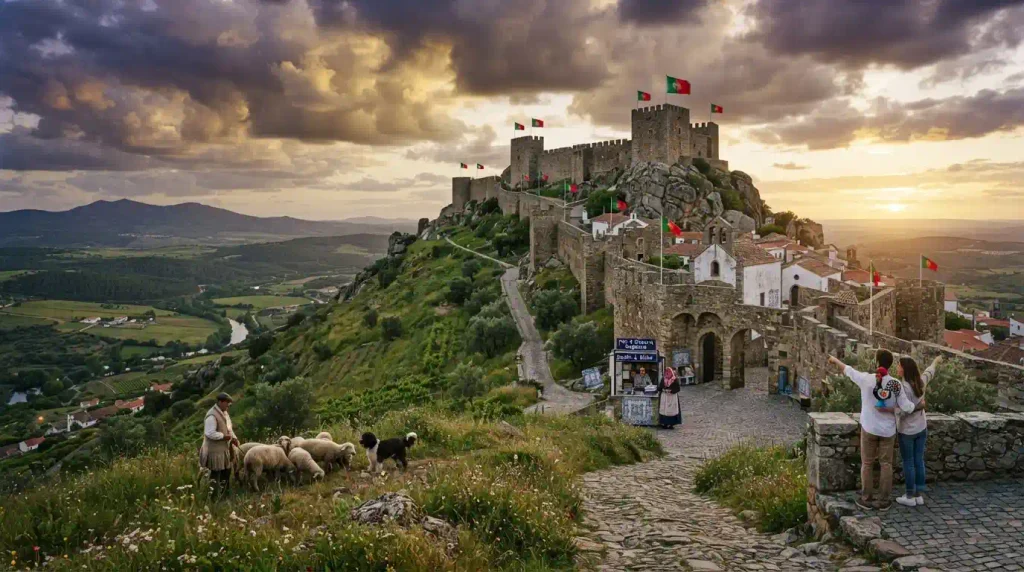
Portugal may feel peaceful and laid-back today, but its past is filled with bold ocean voyages and unbelievable historical milestones. Understanding how this small coastal territory built a massive global empire helps explain its unique cultural footprint worldwide.
Long before modern nations existed, Celtic cohorts, Romans, and Moors lived across these sunny hills. That rich mix of early cultures created a unique foundation that still shows through local architecture, language, and everyday customs.
When you wander through ancient cities like Lisbon or Porto, you walk on centuries of living history. Every castle wall and cobblestone alleyway tells a story about how local communities survived earthquakes, political shifts, and massive ocean adventures.
The Oldest Nation-State in Europe
One of the most impressive fun Portugal facts is that the country has maintained the same national borders since the twelfth century. In 1139, King Afonso Henriques declared independence, making Portugal the oldest official nation-state in all of Europe.
While other European countries changed their shapes, borders, and names repeatedly over the centuries, Portugal kept its core territory steady. The Treaty of Zamora officially recognized this independence in 1143, establishing a peaceful boundary line that remains virtually untouched today.
The Age of Discovery and Global Exploration
During the fifteenth and sixteenth centuries, Portuguese sailors set out into uncharted ocean waters, changing world maps forever. Daring navigators mapped brand-new trade routes across Africa, Asia, and South America.
- Vasco da Gama: The first European explorer to reach India by sea, opening up a direct trade route for unfamiliar spices.
- Ferdinand Magellan: Planned and led the historic expedition that completed the first circumnavigation of Earth.
- Bartholomeu Dias: The first European navigator to round the stormy southern tip of Africa, known as the Cape of Good Hope.
These daring ocean voyages connected distant continents for the very first time, launching a massive global exchange of foods, languages, and ideas.
The Anglo-Portuguese Alliance
Did you know that Portugal shares the oldest active diplomatic alliance in world history with England? Signed in 1386, the Treaty of Windsor bound both nations in a permanent friendship that has lasted over six centuries.
Throughout major global conflicts, including both World Wars, both countries consistently honored this ancient agreement. Today, millions of British travelers visit sunny Portuguese beaches every year, continuing a warm relationship that started in the Middle Ages.
Geographical Wonders and Climate Secrets
Portugal sits on the western edge of the Iberian Peninsula, offering an incredible variety of natural landscapes inside a relatively compact region. From golden Atlantic beaches to lush green mountain ranges, the scenery changes dramatically within just a short drive.
The country enjoys over three hundred days of sunshine every single year, making it one of the sunniest places in Europe. That warm, Mediterranean-style climate makes outdoor living, patio dining, and beach walks a year-round habit for locals.
Even its island territories, the Azores and Madeira, feature wild volcanic landscapes that feel like completely different worlds compared to the mainland.
The Giant Monster Waves of Nazaré
If you love extreme sports, you have probably seen incredible videos of brave surfers riding skyscraper-sized waves in Portugal. The small fishing town of Nazaré is famous worldwide for generating the largest rideable ocean waves on Earth.
A giant underwater geological feature called the Nazaré Canyon channels massive Atlantic Ocean swells directly toward the shoreline. When those deep underwater waves hit the shallow coastal waters, they surge upward into terrifying walls of water that often reach over eighty feet high!
The Azores Volcanic Paradise
Floating far out in the middle of the Atlantic Ocean, the nine islands of the Azores represent Portugal’s wild, untouched natural side. These remote islands were formed by ancient volcanic eruptions, creating dramatic crater lakes, steaming hot springs, and lush pastures.
Visitors can soak in natural thermal pools heated by underground thermal energy or hike along dramatic coastal cliffs. The island of Pico even features Portugal’s highest mountain peak, rising steeply right out of the deep blue sea.
The Lush Flower Island of Madeira
Located closer to the coast of Africa than mainland Europe, Madeira is often called the floating garden of the Atlantic. Its rich volcanic soil and year-round spring weather allow unfamiliar tropical flowers to bloom in every color imaginable.
- Levada Walks: Hike along historic irrigation channels carved directly into steep, dramatic mountain slopes.
- Basket Toboggan Rides: Whiz down steep urban streets in traditional wicker sleds pushed by drivers dressed in white outfits.
- Subtropical Forests: Explore ancient laurel forests that have been recognized as protected natural heritage areas.
Unique Cultural Traditions and Everyday Customs
Portuguese culture is warm, welcoming, and family-focused, placing a heavy emphasis on taking life slow and enjoying simple everyday pleasures. Living here means taking time to connect with friends, neighbors, and family members over fresh coffee and long lunches.
Every neighborhood celebrates unique local street festivals throughout the summer months, filling the air with the aroma of grilled sardines and cheerful traditional music. Visiting a local town plaza during a summer street party gives you an authentic look into genuine Portuguese happiness.
The local lifestyle prioritizes hospitality and kindness, making visitors feel like old family friends from the moment they arrive.
The Soulful Melodies of Fado Music
You cannot truly understand Portuguese culture without listening to Fado, the country’s iconic style of traditional folk music. Performed in dimly lit taverns, Fado features a solo singer backed by classical twelve-string Portuguese guitars.
The heartfelt songs express a deep, bittersweet emotion called saudade, which translates to a profound longing for lost loved ones or distant memories. Listening to a passionate live Fado performance in Lisbon’s historic Alfama district is an emotional experience you will never forget.
Azulejos: The Famous Blue Tile Art
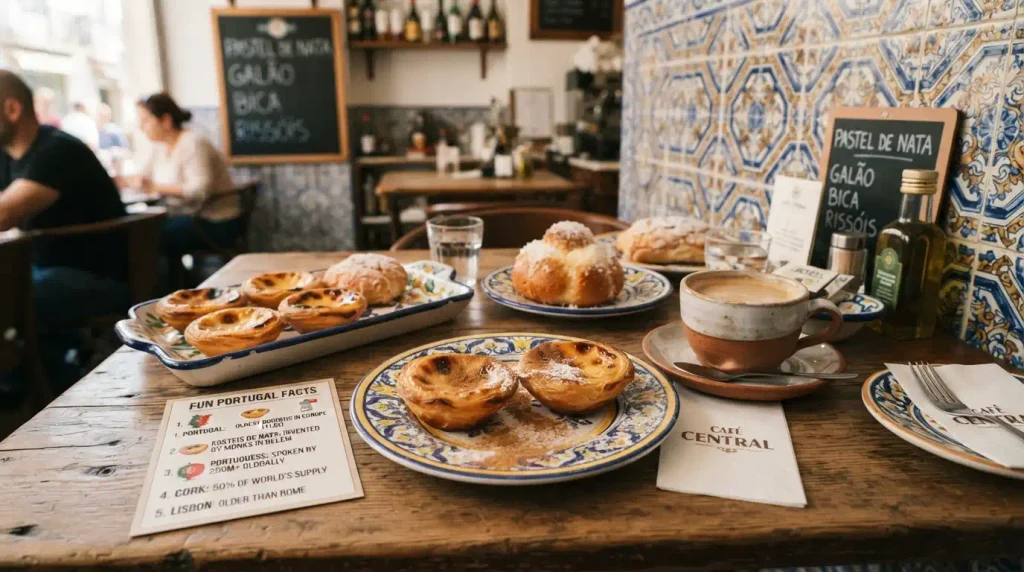
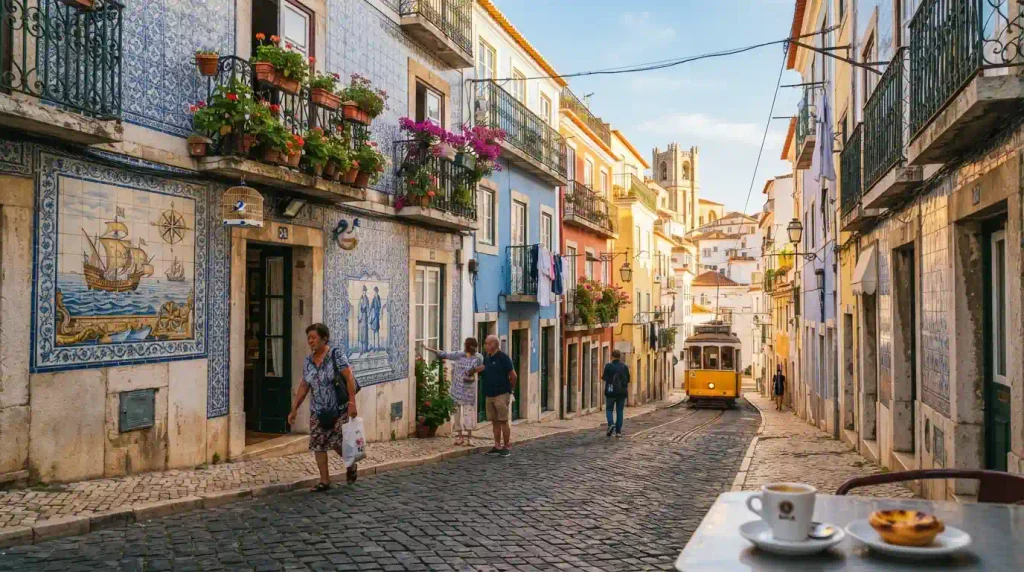
Look around any Portuguese town, and you will quickly spot gorgeous hand-painted ceramic tiles covering the outside of homes, churches, and train stations. These historic decorative tiles are known locally as azulejos.
Originally brought to the peninsula by Moorish artisans, the Portuguese adopted and transformed the craft into their own distinct artistic style. The detailed blue and white pattern panels tell historic stories, depict religious scenes, or simply add bright geometric beauty to everyday city streets.
The Coffee Culture and Pastry Obsession
In Portugal, enjoying a quick cup of coffee is an essential social ritual performed multiple times each day. Locals rarely drink coffee on the go in paper cups; instead, they pause at neighborhood cafes to enjoy a quick espresso at the counter.
- Bica: A rich, dark espresso shot served piping hot in southern regions like Lisbon.
- Cimbalino: The traditional northern term used in Porto for a quick shot of black coffee.
- Galão: A smooth, milky coffee served in a tall glass, perfect for morning breakfast pairings.
Pairs of coffee shots are almost always enjoyed alongside fresh, flaky local pastries straight from the neighborhood oven.
Iconic Food and Culinary Surprises
Portuguese food is honest, comforting, and packed with fresh ingredients sourced straight from the ocean and local farmland. Fresh seafood naturally takes center stage on almost every restaurant menu along the coast.
Despite its modest geographic size, the country has influenced global eating habits in ways that surprise most food lovers. From spicy peri-peri chicken to sweet egg custard tarts, Portuguese recipes have traveled across oceans to become world-famous comfort foods.
Generous food portions and fresh olive oil are hallmarks of traditional dining, ensuring that no visitor ever leaves a Portuguese table hungry.
The Legend of Pastel de Nata
The most famous sweet treat in the country is the pastel de nata, a crispy, flaky pastry cup filled with rich egg custard and dusted with cinnamon. These delightful treats were created during the nineteenth century by Catholic monks at the Jerónimos Monastery in Belém.
When monasteries faced financial closures, the resourceful monks began selling the secret recipe to a nearby sugar refinery bakery to raise money. Today, the original Pastéis de Belém bakery bakes thousands of fresh tarts daily using that same closely guarded secret monastery recipe!
Codfish: The National Culinary Obsession
It is impossible to discuss Portuguese food without mentioning bacalhau, which is dried, salted codfish. Surprisingly, cod is not native to warm Portuguese waters; local fishermen historically traveled to icy seas near Greenland and Canada to harvest it.
Locals proudly claim there are at least 365 different ways to prepare salted codfish—one unique recipe for every single day of the year! From creamy baked casseroles to crispy fried fish cakes, bacalhau remains the undisputed king of the Portuguese dinner table.
Global Culinary Influences You Didn’t Know About
Many world-famous international dishes actually trace their origins directly back to Portuguese traders who crossed the oceans centuries ago.
- Tempura in Japan: Portuguese missionaries introduced the technique of battering and frying fresh vegetables to Japan in the sixteenth century.
- Vindaloo Curry in India: The classic Indian curry dish derived from a Portuguese marinade recipe made with wine and garlic (carne de vinho e alhos).
- Tea Culture in England: Queen Catherine of Braganza, a Portuguese princess who married King Charles II, popularized daily tea drinking among British royalty.
Industry, Innovations, and Global Claims to Fame
Portugal is far more than just a beautiful travel destination with rich history; it is also a modern global leader in clean energy and sustainable manufacturing. The country balances ancient craftsmanship with cutting-edge environmental technology.
From powering entire regions using wind and water to producing natural materials for luxury global brands, Portuguese industries set impressive international standards.
Investing in sustainable future solutions has helped the country become a clear role model for environmental progress inside the European Union.
The World Leader in Cork Production
Did you know that Portugal produces more than fifty percent of the entire world’s commercial cork supply? The rolling hills of the southern Alentejo region are covered in vast forests of protected cork oak trees.
Harvesting cork is a remarkably sustainable process that does not harm or cut down the trees at all. Skilled agricultural workers carefully peel the thick outer bark by hand every nine years, allowing the tree to regenerate naturally while absorbing extra carbon dioxide from the air!
- Wine Stoppers: The traditional choice for sealing fine wine bottles around the world.
- Fashion & Accessories: Eco-friendly shoes, handbags, wallets, and umbrellas crafted from soft cork fabric.
- Home Construction: Natural insulation panels, flooring tiles, and decorative furniture elements.
Renewable Energy and Green Innovation
Portugal is an international pioneer in clean, renewable energy production, deriving a massive percentage of its electricity from wind, solar, and hydroelectric power plants.
In recent years, the country achieved extraordinary milestones by running its entire national electrical grid strictly on renewable energy sources for several consecutive days! This deep commitment to clean power ensures that its pristine natural landscapes remain protected for future generations to enjoy.
Important Country Overview
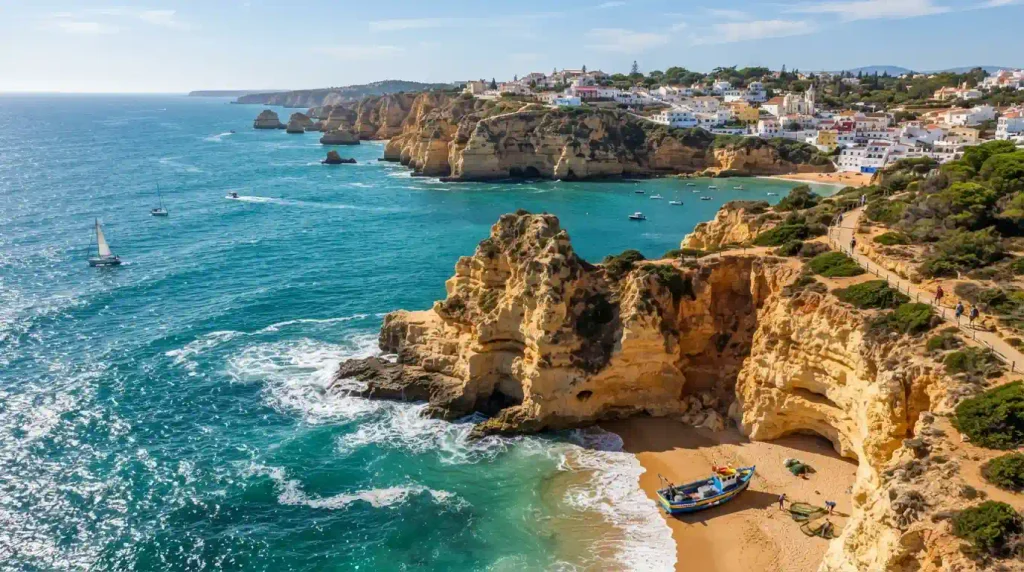
Portugal is a vibrant European nation located on the southwestern edge of the Iberian Peninsula, bordered by the Atlantic Ocean to the west and south, and sharing its eastern and northern land borders exclusively with Spain. Known for its mild Mediterranean climate, breathtaking coastal cliffs, and rich maritime history, Portugal seamlessly connects its ancient historical heritage with a modern, dynamic lifestyle. From the bustling capital city of Lisbon to the picturesque vineyards along the Douro River, the country attracts millions of travelers each year with its iconic architecture, world-renowned cuisine, and warm hospitality.
Rich Maritime History & Global Connections
During the 15th and 16th centuries, Portugal led the Age of Exploration, establishing trade routes across Africa, Asia, and South America. Historical pioneers like Vasco da Gama expanded global maritime navigation, shaping world history and spreading the Portuguese language to over 250 million speakers globally today.
Unique Cultural Heritage & Traditions
Portuguese culture is characterized by iconic traditions, including Fado music, beautiful blue ceramic tiles known as Azulejos, and famous culinary treats like Pastéis de Nata. The nation also holds unique world records, such as operating Livraria Bertrand (the world’s oldest functional bookstore in Lisbon) and being the world’s leading producer of natural cork.
Diverse Geography & Stunning Landscapes
From the rugged coastlines of the Algarve in the south to the lush, mountainous greenery of the north and the volcanic island archipelagos of Madeira and the Azores, Portugal offers incredible natural variety within a relatively compact region.
Practical Tips for Experiencing Portugal Like a Local
Visiting Portugal is a wonderful experience, but knowing a few insider tips can make your journey even smoother and more enjoyable. Locals genuinely appreciate when visitors respect their everyday customs and try a few words in the local language.
While many younger Portuguese people speak excellent English, showing effort with basic polite phrases instantly opens doors and brings warm smiles.
Planning your daily schedule around local meal times also ensures you enjoy the freshest food at authentic neighborhood taverns.
Easy Language Essentials to Practice
Learning a handful of basic phrases helps you connect with shopkeepers, cafe waiters, and friendly locals during your travels.
- Olá: A friendly “Hello” used at any time of the day.
- Obrigado / Obrigada: “Thank you” (say obrigado if you are male, obrigada if you are female).
- Por favor: Simple, polite phrase meaning “Please.”
- Bom dia: Polite morning greeting meaning “Good morning.”
Navigating Local Transportation Options
Getting around Portuguese cities is both fun and budget-friendly thanks to well-connected public transportation networks.
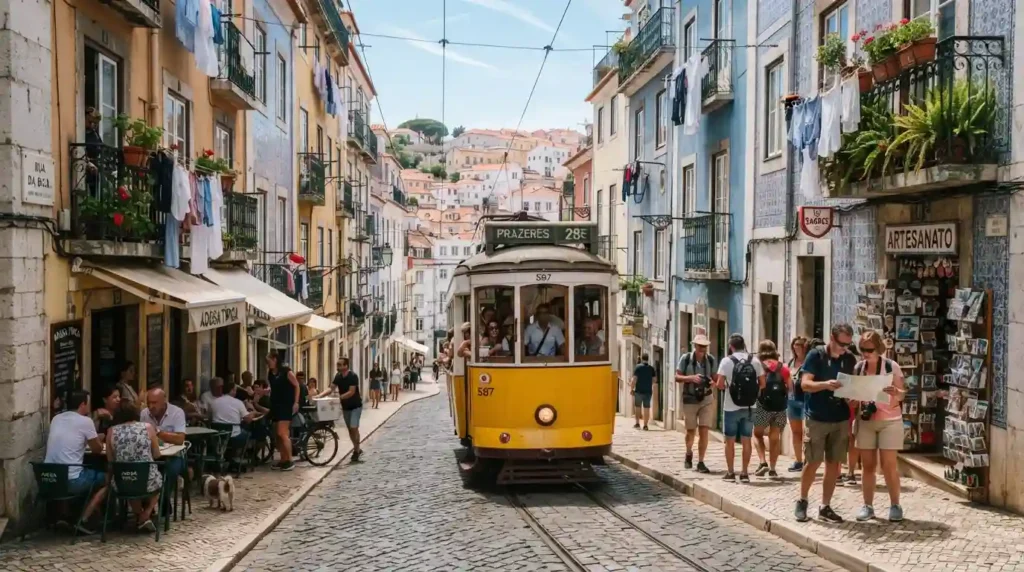
In Lisbon, riding the iconic vintage yellow Tram 28 offers a scenic, bumpy journey through narrow historic alleyways. Between major cities like Lisbon and Porto, high-speed trains provide comfortable, fast connections that let you relax and admire the beautiful countryside passing by your window.
MCQs
- What year was the historic Anglo-Portuguese Alliance treaty signed?
A. 1139 B. 1386 C. 1492 D. 1500 - Which famous Portuguese explorer planned the first expedition to sail around the entire world?
A. Vasco da Gama B. Pedro Álvares Cabral C. Ferdinand Magellan D. Prince Henry the Navigator - What percentage of the world’s commercial cork supply does Portugal produce?
A. Over 10% B. Over 25% C. Over 50% D. Over 80% - What is the name of the emotional, traditional Portuguese folk music genre performed with guitars?
A. Flamenco B. Fado C. Samba D. Tango - Which Portuguese town is famous worldwide for producing massive, record-breaking surf waves?
A. Faro B. Sintra C. Nazaré D. Lagos - What delicious ingredient forms the base filling inside a classic pastel de nata?
A. Chocolate Cream B. Egg Custard C. Apple Preserve D. Sweet Cheese - Which Japanese cooking style was originally introduced by Portuguese traders in the sixteenth century?
A. Sushi B. Tempura C. Teriyaki D. Ramen - What are the famous hand-painted decorative ceramic tiles seen across Portugal called?
A. Azulejos B. Frescoes C. Mosaics D. Tapestries - How often can the bark of a cork oak tree be safely harvested without harming the tree?
A. Every year B. Every 3 years C. Every 9 years D. Every 20 years - What island group features Portugal’s highest mountain peak, Mount Pico?
A. Canary Islands B. Madeira Islands C. Azores Islands D. Balearic Islands
Answer Key
- B
- C
- C
- B
- C
- B
- B
- A
- C
- C
FAQs
What is the best time of year to visit Portugal?
Spring (April to June) and autumn (September to October) offer ideal weather with warm sunshine and pleasant temperatures. Visiting during these shoulder seasons lets you avoid peak summer crowds while enjoying comfortable sightseeing conditions across historic cities and coastal beaches.
Is Portugal an affordable country for international travelers?
Yes, Portugal remains one of the most affordable travel destinations in Western Europe. Delicious local meals, cozy coffee treats, public transportation, and hotel accommodations offer exceptional value for money compared to neighboring European countries.
Do most people speak English in major Portuguese cities?
Yes, English is widely spoken in major tourist destinations like Lisbon, Porto, and the sunny Algarve region. Younger generations and hospitality workers usually speak excellent English, making travel easy and comfortable for international visitors.
Why is Portuguese cork considered an eco-friendly material?
Harvesting cork does not require cutting down trees; workers simply peel the bark by hand every nine years. The trees continue growing naturally, absorbing large amounts of carbon dioxide while providing sustainable income for local farming communities.
What is the national dish of Portugal?
While there are many regional specialties, salted codfish (bacalhau) is considered the official national dish. Portuguese cooks have created hundreds of delicious recipes using dried cod, making it a beloved staple served at family dinners and festive celebrations.
How many islands make up the Azores archipelago?
The Azores archipelago consists of nine main volcanic islands located in the middle of the North Atlantic Ocean. Each island features distinct natural landscapes, ranging from crater lakes and thermal springs to lush green mountain pastures.
What is the main difference between Lisbon and Porto?
Lisbon is the grand, sun-drenched capital city built across seven dramatic hills overlooking the Tagus River. Porto is a historic northern coastal city famous for its charming riverfront district, magnificent bridges, and rich Port wine traditions.
Conclusion
Exploring these captivating fun Portugal facts reveals a country that effortlessly combines deep ancient history with exciting modern living. From its world-leading green industries and record-breaking ocean waves to its rich culinary heritage, Portugal proves that remarkable things come in sunny, coastal packages.
Whether you are dreaming of wandering through tile-covered streets or savoring a warm pastel de nata at a sidewalk cafe, learning about this welcoming nation is always rewarding. Start planning your own Portuguese adventure today, and experience these incredible facts firsthand!

Asjad Ali is a passionate, fun, and entertainment enthusiast who enjoys discovering interesting, amusing, and engaging content from around the web. Through laughvista.com, Asjad shares lighthearted ideas, entertaining stories, fun facts, jokes, and enjoyable content designed to bring a little more laughter and positivity into everyday life. His goal is to create content that feels natural, relatable, and easy for everyone to enjoy.
With a genuine interest in fun and entertainment, Asjad Ali focuses on creating friendly content for readers of different ages and backgrounds. laughvista.com is built around the idea that a few moments of laughter can brighten anyone’s day. Whether readers are looking for something funny, interesting, or simply entertaining, Asjad aims to make every visit enjoyable, refreshing, and worth coming back to.