
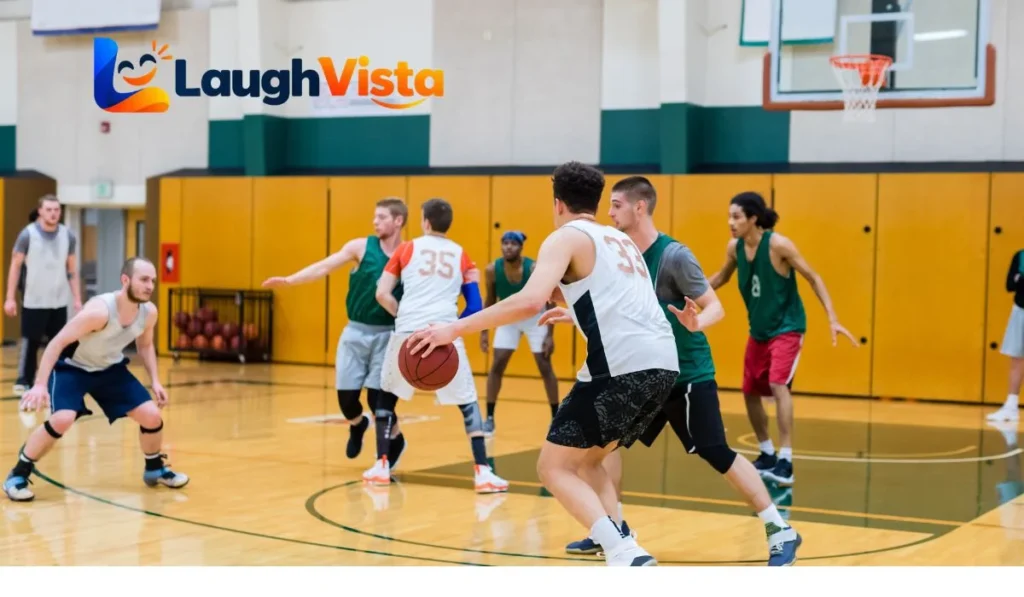
Fun Hub practice is a structured yet highly entertaining approach to learning new dynamic skills, combining playful activities with targeted exercises. By focusing on active engagement, balance, and creative problem-solving, this method turns daily practice into an exciting game that boosts your overall dexterity, mental sharpness, and physical coordination quickly.
Have you ever wondered why some people make learning new physical skills look completely effortless while having a total blast?
The secret usually comes down to setting up a consistent, fun hub practice routine that keeps your brain locked in and fully energized.
When you mix real play with focused repetition, your skills skyrocket much faster than with standard boring drills.
Let us explore how you can turn your regular free time into a dynamic practice playground.
What Is Fun Hub Practice and Why Does It Matter?

At its core, a dedicated practice space or routine built around enjoyment completely changes how your brain processes new movement patterns. Most traditional training programs feel like heavy chores that drain your daily energy. When you introduce playful elements into your routine, your brain releases dopamine, which naturally speeds up your learning process and keeps you coming back for more.
The Science of Playful Learning
When you engage in active play, your nervous system becomes much more flexible and adaptable. This state allows you to try new movements without the crippling fear of making mistakes.
Scientists call this neuroplasticity, but you can simply think of it as setting your brain into hyper-learning mode. By removing rigid expectations, you give yourself the physical freedom to experiment, refine your balance, and build true confidence fast.
Breaking Away from Boring Drills
Old-school practice relies heavily on mindless repetition until you are completely exhausted. While repetition is important, doing it without genuine excitement usually leads to quick burnout.
- High Engagement: Keeping your mind actively focused on clear, fun objectives prevents boring mental fatigue.
- Creative Freedom: You can alter the rules on the fly to test your personal physical limits safely.
- Instant Rewards: Playful challenges give you immediate feedback so you can adjust your technique right away.
Setting Up Your Ideal Practice Space
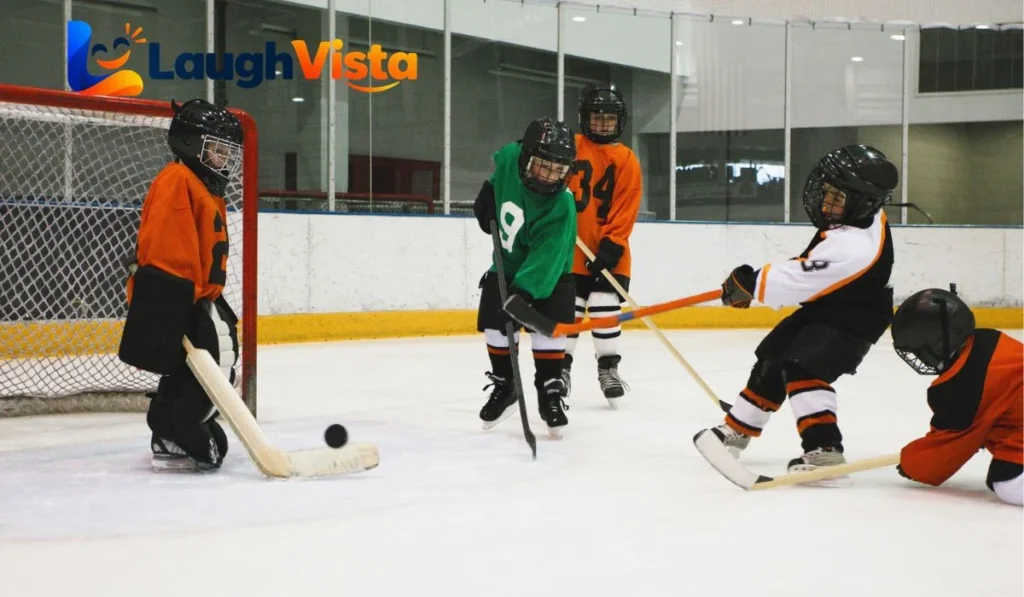
You do not need a massive commercial gym or expensive equipment to start your journey. Creating a safe, open space at home or in your backyard is more than enough to get things rolling smoothly.
Essential Equipment for Beginners
Getting started requires only a few basic items that encourage movement and steady balance. The goal is to keep things simple so you do not feel overwhelmed by setup steps.
- Simple balance boards or stability pads for baseline coordination.
- Lightweight foam balls or beanbags for quick agility drills.
- A soft yoga mat to protect your joints during floor exercises.
- Small floor cones or markers to map out dynamic agility paths.
Space Requirements and Safety Tips
Clear away any hard furniture or sharp edges before you begin any routine. You want a flat surface with at least six feet of open space in every direction to move around freely. Wearing comfortable shoes with good grip will protect your ankles when trying out quick dynamic turns.
Core Principles of Effective Fun Hub Practice
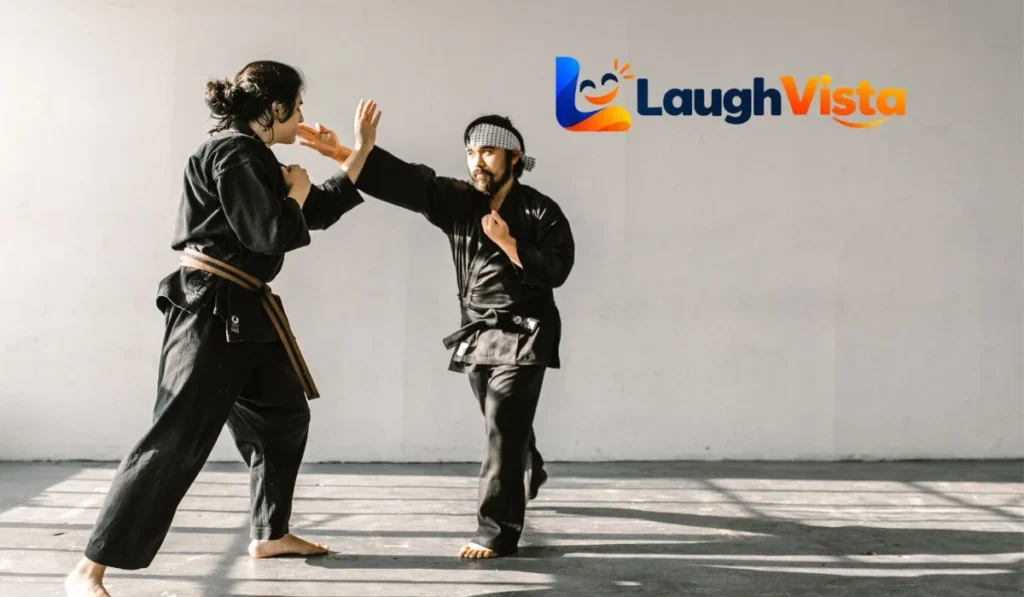
To get the absolute best results out of every single session, you need a clear blueprint. Blending structure with pure enjoyment ensures you make steady progress every week.
Balancing Skill and Enjoyment
If a challenge is too easy, you quickly get bored; if it is far too difficult, you get frustrated and want to quit. The magic happens right in the middle, where your current skill level meets a fun challenge.
Tracking Progress Without the Stress
Instead of worrying about strict performance metrics, focus on how smooth your movements feel over time. Keep a simple journal or record quick video clips on your phone to watch your growth week by week.
Step-by-Step Guide to Your First Session

Starting a new routine can feel overwhelming if you do not have a set plan. Follow this super easy framework to guide your very first practice session smoothly.
Step 1: The Dynamic Warm-Up
Never skip your warm-up! Spend roughly five minutes doing light arm circles, gentle leg swings, and easy torso twists to get blood flowing to your muscles.
Step 2: Basic Skill Isolation
Pick one specific skill you want to work on, such as balancing on one foot while tossing a small ball. Practice this single movement for five focused minutes without stopping.
Step 3: The Gamified Challenge
Turn your single skill into an exciting minigame. For example, see how many successful ball catches you can complete in sixty seconds without losing your overall balance once.
Step 4: Cool Down and Reflect
Finish up with simple light stretches to let your heart rate drop naturally. Take two minutes to think about what felt easy and what needs a bit more work next time.
Intermediate Techniques to Level Up Your Routine
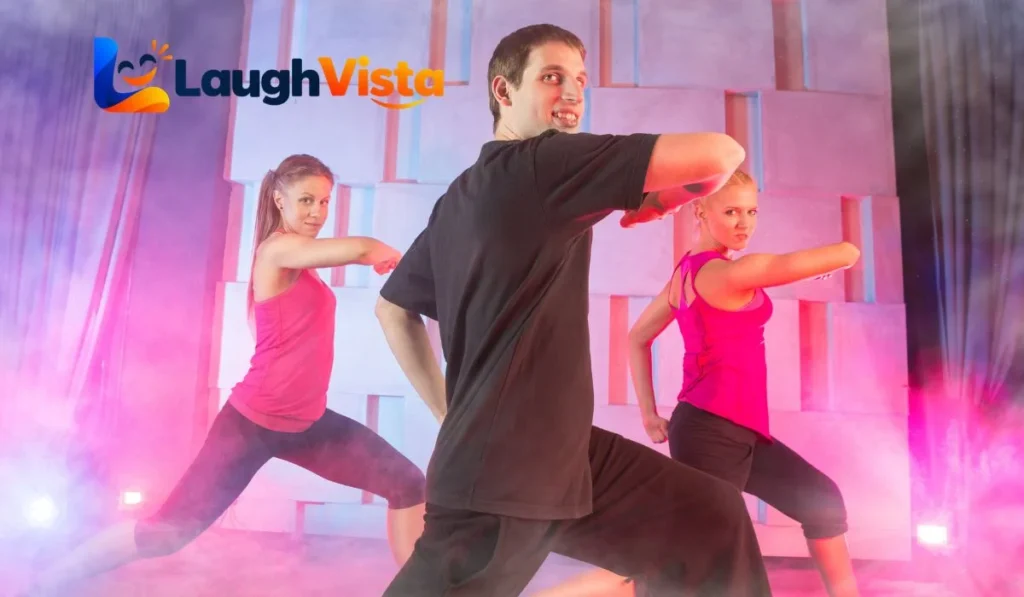
Once you master basic balance and movement, it is time to throw in some fresh challenges to keep your mind completely locked in.
Combining Movements for Fluidity
Instead of doing movements separately, chain two or three different skills together into one smooth sequence. You might step over an obstacle, perform a quick balance pivot, and catch an item all in one continuous flow.
Introducing Spatial Obstacles
Set up small indoor hurdles using household cushions or low floor cones. Moving around irregular obstacles forces your eyes and brain to communicate far faster with your feet.
Visual Agility Exercises
Try keeping your eyes fixed on a wall target while moving sideways across your practice area. This improves your peripheral vision and quickly builds overall spatial awareness.
Speed Adjustments
Practice shifting between slow, controlled movements and explosive bursts of speed. This teaches your body how to switch gears instantly while keeping total physical balance.
Advanced Fun Hub Practice Strategies

Advanced practice focuses on dynamic real-time decision-making and rapid physical reactions under variable conditions.
Random Stimulus Training
Have a friend call out random directional colors or numbers while you maintain your balance drill. Reacting to unpredictable verbal cues mimics real-world sports and open play scenarios perfectly.
Dual-Tasking Challenges
Try solving simple mental math problems out loud while performing complex coordination patterns. This forces your nervous system to make motor control completely automatic.
Common Mistakes to Avoid During Practice
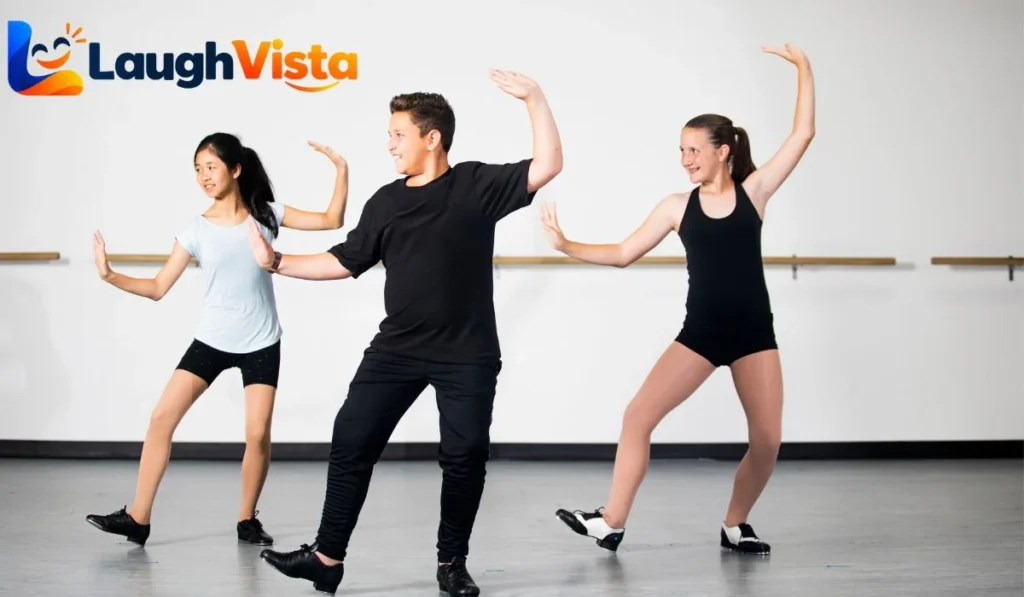
Even experienced enthusiasts run into silly roadblocks that slow down their overall progress. Watching out for these common traps will keep your journey completely smooth and enjoyable.
Pushing Through Heavy Fatigue
When your body gets overly tired, your movement form breaks down rapidly. Continuing to practice while exhausted creates bad muscle memory habits that are difficult to fix later on.
Skipping the Basics
It is super tempting to jump straight into advanced cool tricks before mastering basic stance stability. Always master your basic balance foundation before attempting complex movements.
Treating Practice Like a Strict Chore
If you catch yourself feeling completely bored or stressed out, pause immediately. Shift your focus back to light playful games to keep the atmosphere fun and uplifting.
Practice Exercise
Test your understanding of the concepts covered in this guide with these ten questions!
- What is the main goal of incorporating play into skill practice?
A. To make sessions take longer B. To boost brain engagement and learning speed C. To replace all physical exercise completely D. To eliminate the need for warm-ups - How large should your dedicated practice space ideally be?
A. Two square feet B. At least six feet of open space in all directions C. A full-sized sports stadium D. No space is required at all - Which brain state allows for faster learning during physical play?
A. Total exhaustion B. Neuroplasticity C. Deep sleep D. Sensory overload - Why is a dynamic warm-up important before starting your session?
A. It preps your muscles and increases blood flow B. It acts as the main workout session C. It allows you to skip cool-down stretches D. It burns out your energy early - What happens when a practice challenge is way too difficult?
A. You learn ten times faster B. You easily enter a flow state C. You feel frustrated and want to quit D. Your balance improves automatically - What is the best way to track physical progress without feeling stressed?
A. Comparing yourself to professionals online B. Recording short video clips to review later C. Practicing for five hours straight every day D. Writing down strict mathematical equations - What does dual-tasking mean during advanced skill drills?
A. Practicing two identical skills at the same time B. Doing mental tasks while performing movement drills C. Training with two different coaches simultaneously D. Sleeping right after a hard practice session - Why should you avoid practicing when you are deeply fatigued?
A. You might waste energy B. Bad form creates poor muscle memory C. You might get too happy D. It makes the floor too slippery
Answer Key
- B
- B
- B
- A
- C
- B
- B
- B
Frequently Asked Questions (FAQs)
1. How often should I engage in fun hub practice?
Aim for three to four short sessions per week to build steady momentum. Keeping your sessions around 20 to 30 minutes prevents excessive mental fatigue while ensuring consistent physical progress over time.
2. Do I need expensive gear to start practice?
Not at all! You can easily begin with basic items like a comfortable yoga mat and household pillows for balance obstacles. Focus on your movements first before investing in specialized balance boards or fancy agility gear.
3. Can beginners try these practice methods safely?
Yes, this playful approach is completely customizable for absolute beginners. You control the pace and difficulty of every single exercise, making it a safe and rewarding way to build mobility from scratch.
4. How long does it take to see real skill improvements?
Most people notice better balance and coordination within just two weeks of consistent sessions. The key is staying regular with short, highly focused practice bursts rather than doing long, infrequent workouts.
5. What should I do if I lose motivation to practice?
Switch up your exercises immediately by introducing fresh minigames or practicing outdoors. Changing your surroundings and adding simple new challenges instantly revives your natural curiosity and drive.
6. Can I practice together with a partner?
Practicing with a friend is an amazing way to boost fun and accountability. You can challenge each other with random dynamic cues, share helpful feedback, and make gamified challenges even more engaging.
Conclusion
Building an engaging, fun hub practice routine is easily one of the best ways to pick up physical skills quickly while enjoying every step. By turning simple balance and movement drills into exciting, stress-free minigames, you keep your brain fully engaged and eager to learn more. Remember to keep your setup simple, focus on good movement quality, and adjust challenges so they match your current skill level. Grab your gear, clear out a small practice space, and start enjoying your sessions today!

Asjad Ali is a passionate, fun, and entertainment enthusiast who enjoys discovering interesting, amusing, and engaging content from around the web. Through laughvista.com, Asjad shares lighthearted ideas, entertaining stories, fun facts, jokes, and enjoyable content designed to bring a little more laughter and positivity into everyday life. His goal is to create content that feels natural, relatable, and easy for everyone to enjoy.
With a genuine interest in fun and entertainment, Asjad Ali focuses on creating friendly content for readers of different ages and backgrounds. laughvista.com is built around the idea that a few moments of laughter can brighten anyone’s day. Whether readers are looking for something funny, interesting, or simply entertaining, Asjad aims to make every visit enjoyable, refreshing, and worth coming back to.