
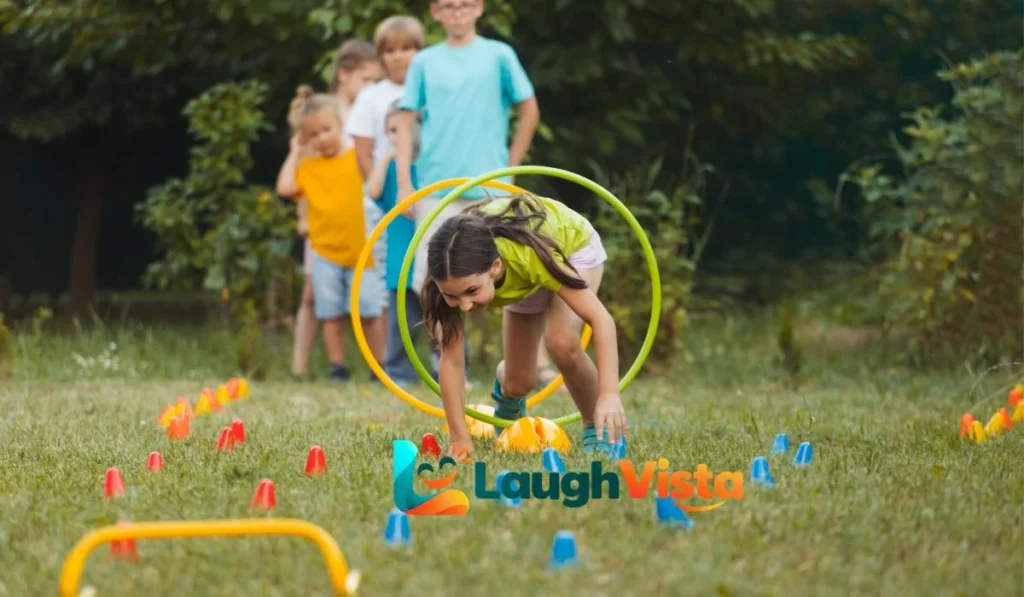
A fun kids’ background is a vibrant, engaging visual backdrop used in digital calls, photography, or physical rooms. Designed with bright colors, playful patterns, and interactive elements, it stimulates creativity, holds children’s attention, and creates a cheerful, welcoming environment tailored specifically for young minds.
Fun kids’ background designs can make websites, presentations, classrooms, invitations, and creative projects look more colorful and playful. Bright colors, cute characters, and cheerful patterns can instantly create a child-friendly atmosphere.
A fun kids’ background can feature themes such as animals, cartoons, rainbows, toys, stars, clouds, or colorful shapes. Choosing the right design can make your project more attractive and enjoyable for young audiences.
These backgrounds are also useful for birthday invitations, educational worksheets, school projects, digital wallpapers, and social med. ia graphics. With so many styles available, you can easily find a design that matches your theme.
In this article, we’ll explore creative Fun Kids Background ideas that can add energy, color, and personality to different projects.
What Makes a Fun Kids Background So Special?

Children perceive the visual world quite differently from adults. Colors, shapes, and movement trigger curiosity and emotional responses in young minds very quickly.
A great background does far more than fill up space on a wall or digital screen. It creates an immersive world where children feel safe, energized, and ready to learn or play.
The Science of Playful Colors
Colors directly influence how kids feel and act throughout the day. Bright primaries like red, yellow, and blue stimulate focus and quick mental energy.
Soft pastels like light mint or blush pink create a calming environment that works perfectly for reading nooks or bedtime spaces. Mixing these shades keeps things exciting without overwhelming sensitive eyes.
Shapes that Catch the Eye
Simple geometric shapes act like visual building blocks for young eyes. Big polka dots, wiggly zigzags, and friendly stars instantly break the monotony of plain flat surfaces.
When children look at dynamic patterns, their brains actively process spatial relationships. This subtle mental engagement keeps their focus anchored right where you want it.
Storytelling Elements in Design
Every fantastic backdrop tells a simple, inviting story. A few painted clouds and a smiling sun instantly turn a blank wall into a sky full of possibilities.
When a background includes character elements, kids feel like they are stepping directly into their favorite storybook page.
Popular Themes for Digital and Physical Backdrops

Picking the right theme depends on what your kids love most right now. Choosing a theme based on their active interests makes the space feel truly personalized.
Outer Space Adventures
Space themes remain a timeless favorite across all age groups. Deep navy blues paired with glowing yellow stars and cartoon rockets ignite endless curiosity.
You can add friendly alien doodles or smiling planets to keep the mood light and humorous rather than dark and cold.
Outer Space Theme Elements
- Glowing stars and tiny crescent moons
- Cartoon rockets with colorful fire trails
- Friendly planets with silly ring patterns
- Floating astronaut figures eating floating ice cream
Underwater World Wonders
Diving into an ocean theme brings vibrant blues, greens, and corals into your room. Tropical fish, playful dolphins, and hidden treasure chests create a sense of deep adventure.
Bubbles scattered across the visual field add a whimsical touch that makes the whole layout feel lightweight and playful.
Enchanted Jungle Trails
Greenery brings a natural freshness into any child-focused environment. Happy cartoon lions, cheeky monkeys swinging from vines, and oversized tropical leaves create a friendly jungle setting.
This theme works remarkably well for kids while encouraging a love for animals and nature.
Choosing Between Digital and Physical Kids Backdrops

Depending on your daily routine, you might need a digital image for video calls or a physical setup for an actual room.
Digital Backdrops for Online Classes and Calls
Virtual learning requires backdrops that keep students engaged without creating unnecessary distractions. Bright, organized digital illustrations work best behind a teacher’s camera setup.
Avoid overly busy animations that can lag during video streaming or make children feel dizzy after twenty minutes.
Physical Backdrops for Photoshoots and Events
Physical backdrops rely on tactile materials like fabric, paper rolls, or painted wood paneling. They need to be durable, non-reflective, and easy to wipe down after messy activities.
Fabric banners are ideal for birthday parties because you can fold them away easily for future events.
Designing a Fun Kids Background on a Budget

Creating a stunning backdrop does not require spending hundreds of dollars on custom interior designers or expensive photo props.
Simple DIY Paper Crafts
Colored construction paper remains one of the most powerful budget tools available. You can cut out paper chains, giant flowers, or geometric confetti pieces in under an hour.
Taping these bright cutouts onto a neutral wall creates an instant, low-cost photo backdrop that looks surprisingly professional on camera.
Creative Use of Removable Wall Decals
Peel-and-stick wall stickers allow you to change themes as fast as your child changes their mind. You can apply them in minutes and remove them without damaging wall paint.
This flexibility makes decals perfect for rental homes or rapidly growing toddlers whose tastes evolve every year.
Repurposing Everyday Household Items
Bedsheets, fairy lights, and colorful yarn can transform into magical backdrops with minimal effort. Hanging a string of warm fairy lights behind a sheer white curtain creates a magical fairy-tale glow instantly.
Arranging colorful pillows against a plain couch creates a fast, cozy background for casual virtual calls with grandparents.
How Lighting Changes the Vibe of a Kids Background

Even the best-designed fun kids background looks dull if your lighting is poor. Proper lighting brings out true colors and makes the space feel happy and safe.
Maximizing Natural Sunlight
Position your backdrop near a large window whenever possible. Soft, diffused daylight brings out the rich tones in bright paints and fabrics without harsh glare.
If the sun shines directly into the room, use light white sheer curtains to soften the shadows on children’s faces.
Using Artificial Lights Safely
When natural light is unavailable, soft ring lights or LED panels offer clean illumination. Choose warm white or neutral daylight bulbs rather than cold blue lighting.
Ensure all cords are safely tucked away behind furniture so energetic kids do not trip over them while playing around the set.
Practice Exercise (10 MCQs)
Test your knowledge on creating and choosing the ultimate fun kids background!
- Which color combination provides high energy while maintaining a friendly vibe?
A. Black and dark grey B. Bright blue and sunny yellow C. Deep brown and maroon D. Olive green and charcoal - Why are removable wall decals great for kids’ rooms?
A. They permanently glue to the drywall B. They are expensive and rare C. They can be removed without damaging paint when tastes change D. They block all natural sunlight completely - What type of lighting works best for a children’s video background?
A. Harsh fluorescent lights from directly overhead B. Pitch darkness with a single flashlight C. Soft, diffused natural light or neutral LEDs D. Red neon party strobe lights - Which background theme features planets, rockets, and stars?
A. Enchanted Jungle B.Outer Space Adventure C. Deep Sea Discovery D. Medieval Castle - What is the main advantage of using a digital background during virtual learning?
A. It hides physical room clutter and keeps kids engaged B. It makes the computer run ten times faster C. It prints out physical paper toys automatically. D. It replaces the teacher’s voice entirely - Which fabric characteristic is most important for physical photo backdrops?
A. Shiny and highly reflective surface B. Non-reflective matte texture C. Rough and scratchy material D. Extremely heavy metal plating - How do simple geometric shapes help young children visually?
A. They make children fall asleep instantly B. They anchor focus and help brains process visual patterns C. They confuse kids so they stop asking questions D. They hide all colors from view - Which material is ideal for a fast, low-cost DIY backdrop?
A. Solid steel sheets B. Bright construction paper cutouts C. Heavy concrete blocks D. Clear glass panes
Answer Key
- B
- C
- C
- B
- A
- B
- B
- B
FAQs
How do I choose a fun kids background for a small room?
Focus on light colors like sky blue, soft yellow, or mint green to make small spaces feel open. Use vertical patterns like subtle stripes or hanging bunting to visually elevate low ceilings without taking up physical floor space.
Can I use dark colors in a children’s backdrop?
Yes, you can use deep colors like navy blue or forest green if you balance them with bright accents. Incorporate glowing stars, white clouds, or cheerful animal figures so the overall design remains bright, friendly, and uplifting.
What is the cheapest way to make a physical backdrop?
Using colorful paper chains, tissue paper pom-poms, or painted cardboard shapes is the cheapest method. You can easily tape these light elements to a blank wall to create an instant, colorful scene for under ten dollars.
How do I prevent glare on fabric backdrops during photoshoots?
Choose non-reflective matte fabrics like polyester or cotton fleece instead of shiny satin or vinyl. Position your soft light sources at 45-degree angles rather than directly pointing straight at the fabric surface.
What digital background resolution works best for Zoom calls?
Use a standard high-definition resolution of 1920 by 1080 pixels with a 16:9 aspect ratio. This resolution keeps your digital fun kids background crisp, clear, and perfectly proportioned on almost every computer screen.
How often should I change a child’s playroom background?
Rotate themes every six to twelve months as your child grows and develops new hobbies. Using versatile base colors allows you to simply swap out small accent decals or wall art without repainting the entire room.
Conclusion
Creating a fun kids background is all about blending vibrant colors, cheerful themes, and practical design tools together. Whether you opt for a digital space adventure or a physical paper craft setup, the goal remains simple: build a space that inspires joy and curiosity every day.
Take a moment to ask your kids what themes excite them most, gather a few easy supplies, and start building your custom setup. With a little creativity, you can transform any ordinary space into an extraordinary place to learn, play, and grow!

Asjad Ali is a passionate, fun, and entertainment enthusiast who enjoys discovering interesting, amusing, and engaging content from around the web. Through laughvista.com, Asjad shares lighthearted ideas, entertaining stories, fun facts, jokes, and enjoyable content designed to bring a little more laughter and positivity into everyday life. His goal is to create content that feels natural, relatable, and easy for everyone to enjoy.
With a genuine interest in fun and entertainment, Asjad Ali focuses on creating friendly content for readers of different ages and backgrounds. laughvista.com is built around the idea that a few moments of laughter can brighten anyone’s day. Whether readers are looking for something funny, interesting, or simply entertaining, Asjad aims to make every visit enjoyable, refreshing, and worth coming back to.