

Fun jungle books are action-packed, humorous, and educational stories set in dense rainforests and tropical wildernesses. They feature colorful animal characters, thrilling survival quests, and lighthearted humor. Readers of all ages enjoy them because they blend exciting wild exploration with unforgettable life lessons and pure entertainment.
Have you ever wanted to swing through lush green canopies or chat with a cheeky parrot? Fun jungle books let you jump straight into wild tropical adventures without ever leaving your cozy armchair.
These exciting stories bring deep rainforests to life with colorful creatures, hidden treasures, and hilarious situations. Whether you are looking for bedtime laughs or thrilling wilderness quests, there is a perfect tropical tale waiting for you.
Let us explore what makes these wild stories so special and how you can pick the best ones for your reading list.
Exploring uncharted paths with brave characters keeps readers of all ages coming back for more. With so many wild adventures available, finding the most fun jungle books helps turn ordinary reading time into an unforgettable escape.
What Makes Jungle Stories So Special?
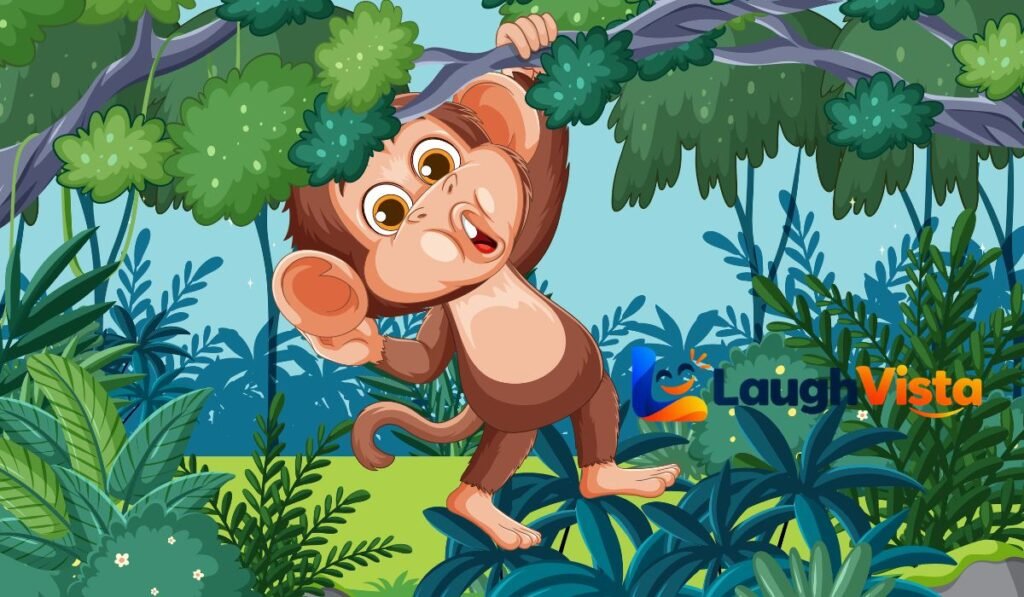
Jungle tales have a unique magic that sets them apart from regular fiction. The deep wilderness naturally creates a sense of mystery, danger, and endless curiosity.
When you open a book set in a rainforest, you step into a world where nature rules. The dense trees hide ancient secrets, and every rustle in the bushes promises a new surprise.
Readers love these tales because they combine high-energy action with fascinating wildlife facts. You get to learn about rare animals while enjoying an unpredictable story.
The Magic of Rainforest Settings
Rainforests are packed with incredible biodiversity, making them the ultimate backdrop for storytelling. Authors can easily place hidden temples, rare plants, and mysterious trails inside a dense canopy.
The environment itself acts like a character in the story. Heavy rainstorms, rushing rivers, and giant vines constantly challenge the heroes in fun ways.
Unforgettable Animal Characters
Wild stories often feature animals with massive personalities. You might meet a sarcastic monkey, a wise old tortoise, or a tiger with a secret fear of bugs.
These colorful personalities make readers laugh while teaching important lessons about friendship and teamwork. Animals allow writers to explore big human emotions in a playful and lightweight manner.
The Thrill of Exploration
Human nature drives us to wonder about unexplored places. Reading about deep wilderness trips taps right into that sense of wanderlust and discovery.
Characters must rely on their instincts, clever tools, and bravery to navigate unknown paths. Watching them overcome strange obstacles keeps you turning pages late into the night.
Classic vs. Modern Jungle Books
Storytelling styles have changed a lot over the decades. Both vintage classics and modern releases offer wonderful experiences, but they do it in very different ways.
Classic tales often focus on grand survival quests and timeless lessons. Modern stories tend to move faster, featuring sharp humor, relatable young heroes, and strong environmental themes.
Timeless Tales That Started It All
Early wilderness literature focused heavily on the raw beauty and danger of unexplored lands. These traditional stories built the foundation for the entire genre.
- The Jungle Book by Rudyard Kipling: The classic tale of Mowgli, a boy raised by wolves, learning the law of the wild alongside Baloo the bear.
- Tarzan of the Apes by Edgar Rice Burroughs: An iconic adventure story following a nobleman’s son who grows up in the African wilderness.
- The Swiss Family Robinson by Johann David Wyss: A classic survival narrative where a marooned family builds an extraordinary life on a tropical island.
These stories introduced readers to iconic animal companions and deep wilderness survival. They set the standard for every wild adventure that followed.
Modern Adventures with a Fresh Twist
Today’s authors bring fresh energy to tropical settings. They mix traditional survival elements with witty dialogue, graphic novel illustrations, and diverse characters.
Modern tales also place a huge focus on protecting endangered wildlife. Readers get an exciting story alongside an uplifting message about caring for our planet’s green heart.
Comparing Famous Jungle Books

With so many wild adventures lining library shelves, comparing iconic rainforest tales helps you discover the perfect story for your reading taste. While these books all share dense tropical backdrops, their storytelling styles, age targets, and central themes vary wildly. Examining how classic fables stack up against modern survival guides allows you to choose an adventure that matches your preferred level of action, humor, and depth.
Timeless Classics vs. Contemporary Survival
Classic wilderness literature often treats the forest as an untamed frontier where heroes face grand tests of morality, endurance, and belonging. Traditional masterpieces like Rudyard Kipling’s work lean heavily into mythic animal fables, ancient laws of nature, and philosophical growth. In contrast, modern wilderness releases focus on fast-paced teamwork, realistic environmental survival skills, and relatable young protagonists navigating real-world tropical ecosystems.
Story Tone and Reading Pace
The atmosphere of a tropical story completely transforms the reading experience depending on the author’s approach. Some books deliver intense, high-stakes survival scenarios packed with sudden river rapids, venomous wildlife, and hidden ruins that keep you on the edge of your seat. Other titles adopt a lighthearted, humorous approach filled with witty animal banter, playful mischief, and cozy bedtime-friendly plots designed to make young readers laugh out loud.
Character Dynamics and Animal Roles
How animals interact with human characters defines the core spirit of any great forest tale. In many classic and fantasy-driven stories, wild animals act as wise mentors, speaking companions, or fierce antagonists with distinct human personalities. Realistic modern adventures, however, showcase animals in their true wild states—challenging human explorers to observe, respect, and adapt to native wildlife rather than trying to tame or speak to it.
Top Themes Found in Fun Jungle Books

Great stories are built on strong, relatable themes. Tropical wilderness adventures are no exception, offering rich lessons wrapped in exciting plots.
When characters trek through thick vines and muddy rivers, they learn big things about themselves. Here are the core themes you will discover in these pages.
Bravery and Resourcefulness
Characters in these books rarely have high-tech gear. They must use their quick thinking, makeshift tools, and inner courage to solve sudden problems.
A hero might build a sturdy shelter out of palm leaves or use a shiny button to distract a curious monkey. These moments show readers that smart thinking beats brute strength every time.
Respect for Nature and Wildlife
A great rainforest story highlights the delicate balance of wild ecosystems. Readers learn that humans are guests in the animal kingdom.
Instead of trying to conquer nature, the best heroes learn to live alongside it. They respect the animals, preserve the plants, and leave the forest unharmed.
Finding True Belonging
Many wild tales star characters who feel out of place in the normal world. The wilderness gives them a safe space to discover who they truly are.
Whether raised by wild animals or lost on a field trip, characters find loyal friends in unexpected places. They realize that family is built on love and trust, not just bloodlines.
How to Choose the Perfect Book for Your Reader
With so many wild stories available, finding the right one can feel overwhelming. Matching the story to the reader’s age and interests ensures a great experience.
Consider what kind of tone your reader prefers. Do they want non-stop laughs, magical mysteries, or realistic survival guides?
For Early Readers and Young Kids
Young children thrive on bright pictures, simple plots, and silly animal interactions. Rhyming text and repeatable phrases make reading aloud extra exciting.
Look for picture books where monkeys play harmless pranks or baby sloths move in slow motion. These gentle stories build a love for nature early on.
For Middle Grade Adventurers
Readers aged eight to twelve usually love high-stakes action and strong friendships. They enjoy stories where kids must survive without adult help.
Books for this age group often include detailed maps, survival tips, and mysterious hidden ruins. They offer the ideal balance of independence, danger, and fun.
For Teen and Adult Readers
Older readers often appreciate deeper historical contexts, rich world-building, and complex survival challenges. They want immersive descriptions that make them feel the damp heat.
These stories often blend wilderness survival with historical fiction or fantasy. They explore how humans interact with untouched environments across different eras.
Creative Ways to Bring Jungle Books to Life
Reading a book is just the start of the adventure. You can easily extend the fun with hands-on activities that match the story.
Turning reading into an interactive experience builds deeper reading comprehension and creates wonderful family memories.
Host a Rainforest-Themed Story Time
Set up a blanket fort in your living room using green sheets and brown pillows. Hang paper vines from the ceiling to create an instant indoor canopy.
Turn off the main lights and use flashlights to read your favorite stories. Playing soft background sounds of falling rain and distant bird calls adds instant atmosphere.
Draw Your Own Expedition Map
After finishing a chapter, grab some paper and colored pencils. Draw a map of the characters’ journey through the thick trees and wild rivers.
Include fun landmarks like “Cheeky Monkey Crossing” or “Alligator Falls.” This activity helps readers visualize the setting and track the plot easily.
Try Easy Survival Crafts
Bring the book’s practical lessons into real life with simple, safe crafting projects. Kids can build mini survival shelters using sticks and leaves from the backyard.
You can also teach basic compass skills or make simple bird feeders. Linking real-world skills to the story makes the reading experience much more memorable.
The Educational Benefits of Reading Wilderness Fiction
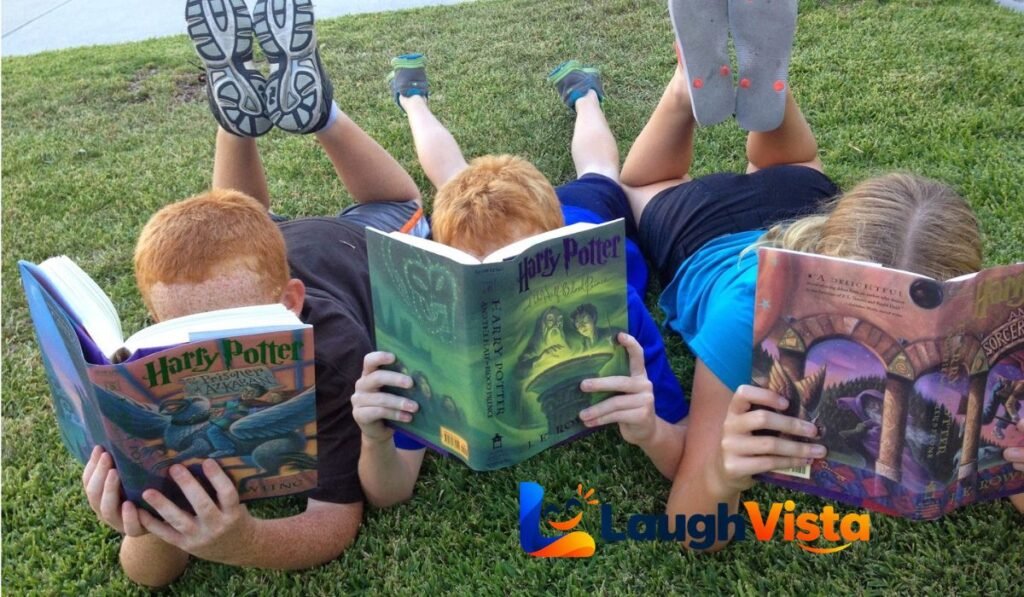
Wild tales are not just entertaining; they are powerful learning tools disguised as fun adventures. They spark curiosity about science, geography, and ecology.
While readers follow an exciting escape from a jaguar, they absorb real knowledge about biology and conservation.
Expanding Vocabulary Naturally
Rainforest books introduce readers to rich descriptive language. Words like canopy, biodiversity, humidity, and nocturnal appear naturally in context.
Because the context is clear and exciting, readers understand and remember new vocabulary words without needing to look them up.
Building Geography and Science Skills
Reading about the Amazon or Asian rainforests teaches readers where these vital regions are located. It shows them how climate influences animal habitats.
Children learn about food chains, plant adaptations, and weather patterns. It turns abstract science topics into vivid, real-world concepts.
Fostering Environmental Awareness
When readers fall in love with fictional animal characters, they naturally care more about real-world conservation efforts.
They begin to understand why protecting trees and endangered species matters. It inspires the next generation of eco-conscious thinkers and planet protectors.
Practice Exercise (10 MCQs)
Test your knowledge about wilderness stories, themes, and classic tales with these ten quick questions.
1. What are Fun Jungle Books mainly about?
A) Jungle adventures and animals
B) Cooking recipes
C) Space travel
D) Car racing
2. Which animal is commonly featured in jungle stories?
A) Lion
B) Penguin
C) Polar bear
D) Seal
3. What can children develop by reading jungle adventure books?
A) Imagination
B) Driving skills
C) Cooking skills
D) Swimming skills
4. Why are illustrations useful in jungle books?
A) They help readers visualize the story
B) They make books heavier
C) They replace every word
D) They make the book silent
5. Which animal is known for swinging between trees?
A) Monkey
B) Elephant
C) Crocodile
D) Rhinoceros
6. What type of setting is common in jungle books?
A) Tropical forest
B) Arctic ice field
C) Desert
D) City subway
7. What can children learn from stories about jungle animals?
A) Lessons about nature and wildlife
B) How to repair cars
C) How to fly airplanes
D) How to build computers
8. Which animal is famous for having a long trunk?
A) Elephant
B) Tiger
C) Monkey
D) Parrot
9. What makes a jungle book entertaining?
A) Interesting characters and exciting adventures
B) Empty pages
C) Only numbers
D) No story
10. How can jungle books encourage children’s interest in nature?
A) By introducing them to animals, plants, and ecosystems
B) By avoiding nature topics
C) By focusing only on machines
D) By removing illustrations
Answers
A) By introducing them to animals, plants, and ecosystems
A) Jungle adventures and animals
A) Lion
A) Imagination
A) They help readers visualize the story
A) Monkey
A) Tropical forest
A) Lessons about nature and wildlife
A) Elephant
A) Interesting characters and exciting adventures
Frequently Asked Questions (FAQs)
What age group enjoys fun jungle books the most?
Readers of all ages enjoy fun jungle books! Early readers love colorful picture books, while kids aged eight to twelve thrive on middle-grade survival adventures. Young adults and adults enjoy rich historical fiction and immersive wilderness quests.
Are these books suitable for bedtime reading?
Yes, they make wonderful bedtime stories. Reading a chapter a night builds excitement and anticipation. Choose lighter, humorous animal tales for younger kids to ensure pleasant dreams before sleep.
Can reading jungle stories help children in school?
Absolutely! These stories build strong reading comprehension, expand vocabulary, and spark an interest in life sciences and geography. Kids absorb scientific concepts like habitats and food chains naturally while enjoying the plot.
What are some classic animal characters from these tales?
Famous characters include Mowgli the human boy, Baloo the gentle bear, Bagheera the wise panther, and Tarzan. Modern books also feature cheeky monkeys, protective sloths, and colorful parrots as main heroes.
How do I find non-scary wild adventures for sensitive readers?
Look for books that focus on lighthearted animal humor, magical environments, or gentle exploration rather than predator-prey conflicts. Reading parent reviews or checking book summaries beforehand helps ensure the tone is friendly.
What makes a jungle book engaging for reluctant readers?
Fast-paced action, short chapters, vivid illustrations, and relatable humor keep reluctant readers hooked. Interactive elements like maps, survival tips, and animal facts break up text and make reading feel less overwhelming.
Conclusion
Plunging into fun jungle books opens up a world of pure imagination, laughter, and exciting discovery. These vibrant stories connect us with nature, introduce us to unforgettable animal pals, and teach us essential lessons about bravery and friendship.
Whether you prefer timeless classics or modern illustrated adventures, there is a wild story ready to capture your imagination. Gather your favorite titles, set up a cozy reading spot, and let the tropical exploration begin! Which wild adventure will you swing into first?
Fun Jungle Books can make reading exciting by taking children into colorful worlds filled with animals, adventures, and imaginative stories. They can also introduce young readers to interesting wildlife, nature, friendship, and valuable life lessons.
Whether a child enjoys thrilling adventures, funny animal characters, or beautifully illustrated stories, jungle-themed books offer plenty of entertainment and learning opportunities. Fun Jungle Books can inspire curiosity, encourage imagination, and make reading an enjoyable experience.

Asjad Ali is a passionate, fun, and entertainment enthusiast who enjoys discovering interesting, amusing, and engaging content from around the web. Through laughvista.com, Asjad shares lighthearted ideas, entertaining stories, fun facts, jokes, and enjoyable content designed to bring a little more laughter and positivity into everyday life. His goal is to create content that feels natural, relatable, and easy for everyone to enjoy.
With a genuine interest in fun and entertainment, Asjad Ali focuses on creating friendly content for readers of different ages and backgrounds. laughvista.com is built around the idea that a few moments of laughter can brighten anyone’s day. Whether readers are looking for something funny, interesting, or simply entertaining, Asjad aims to make every visit enjoyable, refreshing, and worth coming back to.